Between Shorelines and Silence: The Invisible Toll of a Global Migration Crisis
On a wind-raw morning, a line of small plastic shoes sits on a low wall at a port town. Salt flakes in the hair of fishermen as they sip bitter coffee. A lifejacket—faded orange, emblem of hope—hangs like a question mark from a lamp post. These are the makeshift memorials of our time, quiet markers for lives erased on routes that stitch together the map of our world.
Last year, the UN’s migration agency tallied nearly 7,900 people who died or vanished while attempting to cross international borders—pushing the documented total of dead and missing since 2014 above 80,000. Those are not only numbers on a report; they are grandparents, mothers, children, bakers, dreamers. They are the echo of journeys taken because safer, legal routes were closed, insufficient, or entirely missing.
What the numbers conceal
“We are seeing a continuation—and in many places an escalation—of preventable deaths on migration routes,” says an IOM spokesperson, voice measured but weary. “These figures are a minimum estimate. For every documented disappearance, many more families are left without answers.”
The Missing Migrants Project, run by the International Organization for Migration, compiles these figures from coastguard logs, NGO reports, local media, and eyewitness accounts. The result is a mosaic of tragedies that span deserts, storm-swollen seas, dense jungles, and hidden border corridors. While the figure of 7,904 deaths and disappearances in 2025 is stark, it is also the tip of a much larger iceberg: at least 340,000 family members are estimated to be directly affected by these unresolved losses, struggling with legal limbo, economic ruin, and staggering grief.
Routes that swallow people
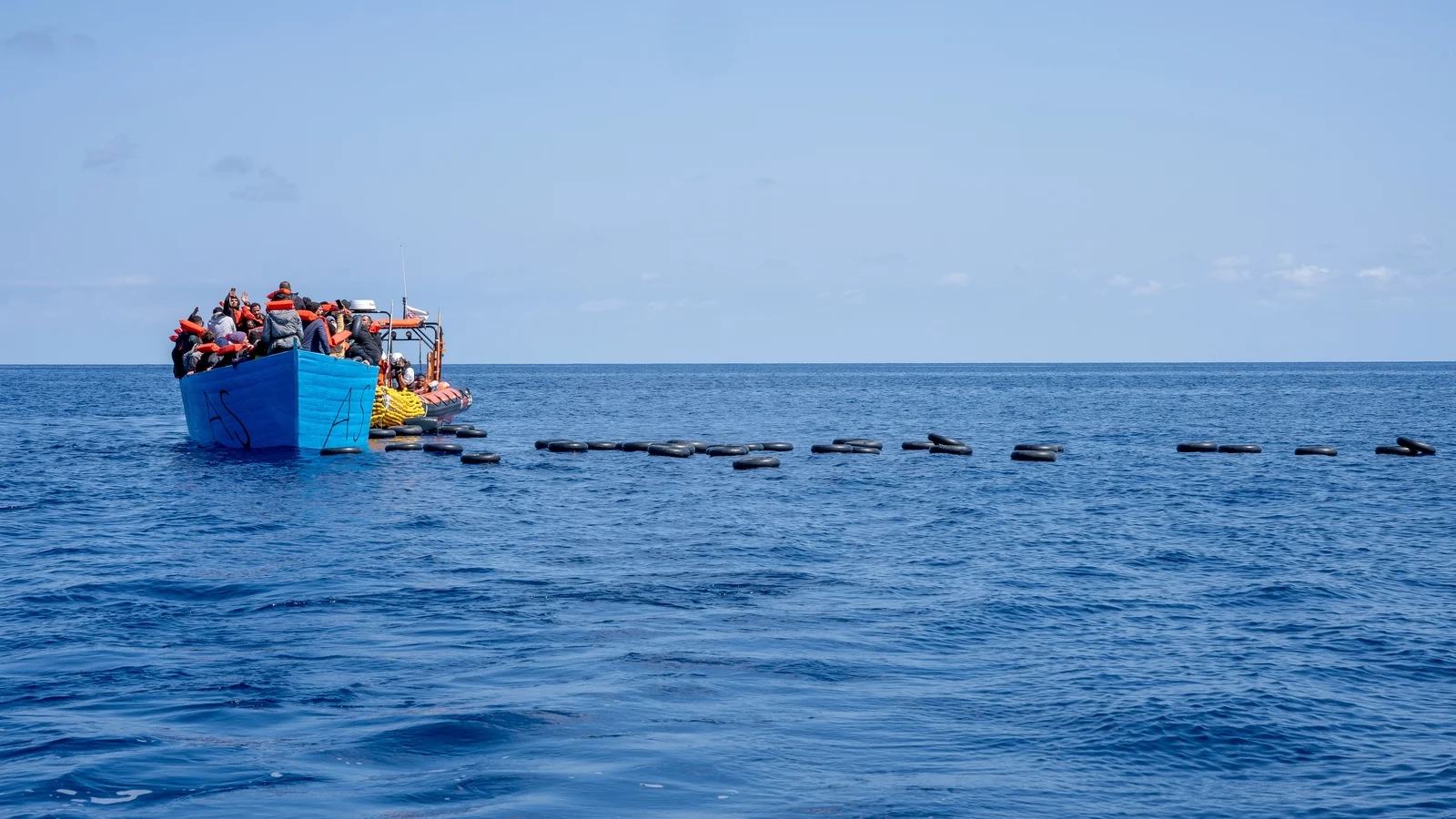
Look at a map and you’ll see the arteries of human movement: the Central Mediterranean route between North Africa and southern Europe, the treacherous passages through the Darién Gap on the Colombia-Panama border, the Bay of Bengal and Andaman Sea where flimsy boats push out from the coasts of Myanmar and Bangladesh, and the perilous crossings across Mexico toward the United States. Each corridor has its own weather, its own predators. But they share one common trait: where legal options for movement are few, dangerous routes flourish.
“Smugglers exploit the closures,” says Dr. Luis Ramirez, a migration researcher who has spent decades tracking crossings in the Mediterranean. “When humanitarian rescue ships are disallowed access or funding dwindles, those attempting the journey are left with tinier margins for survival.”
And funding has dwindled. 2025 saw unprecedented cuts to aid programs and a tightening of information flows about hazardous routes—measures that left search-and-rescue operations starved of resources and families blind to the fates of loved ones. Humanitarian groups have been forced to pull boats from patrols, scale back aerial searches, and limit outreach in remote regions. The result: more disappearances, more unrecorded dead, and more families living in the slow-burning trauma of not knowing.
Names, not numbers
At a bustling market in Tangier, a vendor named Karim pauses to explain why his nephew left home. “There were no jobs, no future,” he says in Arabic, his hands sketching the outline of the sea. “He wanted to work, to send money for his wedding. Now we have a photo and questions.”
On a remote island cemetery in the Aegean, a chalkboard registers names and dates—some accurate, many guessed. “We wait for a door that never opens,” says Eleni, who keeps the little shrine tidy. “People ask why they risk so much. Ask a mother who needs to feed her children. Ask a boy who sees no way out.”
These stories reveal the human calculus behind risk: climate shocks that ruin crops, wars that displace entire communities, economies that exclude, and policy choices that close off avenues for orderly, legal migration. When the safe doors are shut, desperate people take the narrow, dangerous paths.
Hidden families, long shadows
The toll is not only measured in lives lost at sea or in the jungle. For every missing person, entire networks unravel—families lose breadwinners, households lose legal status, children drop out of school. The IOM estimates that around 340,000 relatives are directly affected by disappearances since 2014, grappling with the psychological, legal, and economic ramifications.
“My wife vanishes, and our household collapses,” says José, whose brother disappeared in a boat tragedy on the Central American route. “We cannot get inheritance documents, we cannot bring him home, we cannot close a door we can’t find.”
These shadowed families endure a kind of ambiguous loss that clinicians describe as devastatingly corrosive: you can’t mourn fully because you don’t have certainty, you can’t move forward because a life is suspended in limbo. National systems are often ill-equipped to respond—missing persons databases are fragmented, consular cooperation is patchy, and many countries lack comprehensive death registration for migrants found on foreign soil.
What could change—and what stands in the way
As the world prepares for the International Migration Review Forum in May 2026, advocates say the event represents an opportunity and a test. Can governments translate rhetoric into policies that reduce risks and restore dignity?
- Expand safe, legal pathways: labor agreements, family reunification and humanitarian visas.
- Reinstate and fund search-and-rescue operations across maritime and land routes.
- Create robust family-tracing mechanisms and centralized data systems to record and notify families.
- Invest in climate resilience and local economies to address root causes of displacement.
“Political will is the linchpin,” says Amina Hassan, founder of a migrant family support network. “People say it is complicated. It is. But what’s more complicated is a life broken into numbers on a report.”
Resistance comes from multiple directions: domestic politics that reward border-tightening, security logics that prioritize interdiction over rescue, and misinformation that frames migrants as threats rather than people. Yet other nations have shown it can be different—carefully designed pathways reduce irregular movement and suffering while helping economies meet labor shortages.
Look again—what do we owe each other?
When you pass a memorial card hanging from a lamppost or scroll through a news feed with another headline about migration, what do you feel? Indifference? Outrage? Compassion? The question is not only policy-deep; it is moral: what do we owe the ones who cross for work, safety, dignity?
“These are not distant strangers,” says Dr. Ramirez. “They are neighbors, seasonal workers, students, the same people who will build our houses, harvest our food, teach our children. Recognizing that could change laws, budgets, and the fate of many.”
There are no easy answers. But there are choices. We can let these routes remain theaters of disappearance—hidden by statistics and silence—or we can demand transparency, funding, and humane systems that prevent deaths and clarify fates.
Closing the distance
In a seaside town where the waves hush and gulls wheel, a young woman pins a new photo to the memorial wall. She writes a date, a name, a wish. “We want a simple thing,” she says. “To know. To be able to bury. To be able to return someday.”
As the world looks toward the May 2026 forum, the question lingers: will leaders choose policies that keep people safe and restore dignity, or will the next report simply record more names? The answer will be written not only in summit communiqués but in whether families can finally close an open door. What kind of world do you want to live in—one that counts coffin numbers or one that counts people, stories, and compassion?