When a narrow waterway threatens the world’s dinner table
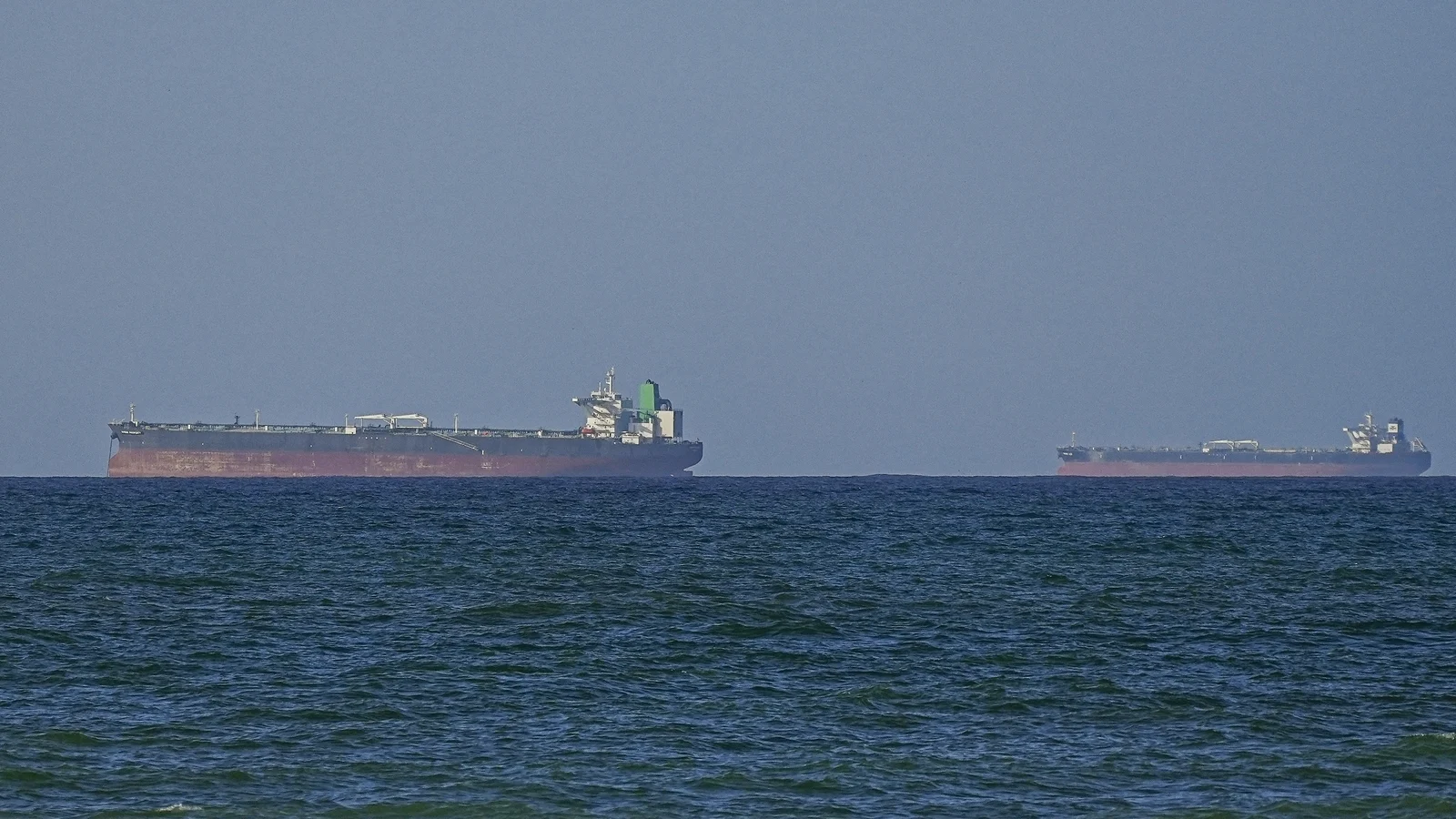
From the deck of a battered fishing boat off the Strait of Hormuz, the horizon looks like any other: gulls wheel, the sun shards across a slow swell, and tankers—huge, indifferent—trace steel veins through blue. But beneath that ordinary seascape is a pressure point that can rearrange the lives of farmers in Kenya, rice-planters in Bangladesh, and market stall owners in Lagos. A blockage here is not just geopolitical theatre. It is the fragile hinge between seed and harvest for tens of millions of people.
“If the strait stays closed to fertilisers, we’re talking about a humanitarian storm of a scale we haven’t seen in years,” Jorge Moreira da Silva, head of the UN task force created to keep fertilisers moving, told reporters recently. “We have weeks, not months, to act.”
Why a choke point matters
The Strait of Hormuz is only 21 miles at its narrowest, but it funnels an astonishing share of the world’s energy and agricultural inputs. Roughly one in three tonnes of fertiliser—ammonia, urea, sulphur and other raw materials—moves through these waters in a typical year. When those flows stop, planting calendars collide with shipping schedules, and fields lie fallow not for want of rain but for lack of nutrients.
“Fertiliser isn’t glamorous. People don’t clap for it. But when it goes missing, yields collapse,” explains Dr. Leila Rahman, an agronomist who has worked with smallholder cooperative projects across East Africa. “Imagine removing a critical ingredient from a recipe and expecting the cake to rise. That is what a month-long delay can do to a planting season.”
The clock is running
The UN task force leader warns of a grim arithmetic: without a targeted corridor to let fertilisers and related materials through, an estimated 45 million additional people could be pushed into hunger and even starvation. That would be layered on top of a world already juggling chronic food insecurity—where hundreds of millions live on the knife-edge of not having enough to eat—and marked by lingering price volatility since the shocks of 2021–22.
Moreira da Silva says a pragmatic, limited solution is possible. “If we can move just five standard vessels a day laden with fertiliser materials, we can avert the worst outcomes for farmers around the world,” he told diplomats. “Operationally, we can be running the mechanism in seven days. Politically, we’re still waiting for will.”
Faces of the crisis: farmers, fishers, and market vendors
On the ground, the worry is not abstract. In a dusty market in Kisumu, Kenya, Amina, a smallholder who grows maize on a two-acre plot, described the squeeze. “Last year my harvest was just enough to sell some and keep the children fed through school,” she said. “If the fertiliser doesn’t arrive soon, I cannot plant. Then I don’t eat, and I don’t have money for tuition.”
In the port city of Bandar Abbas, local stevedores watched news feeds and compared them to their weekly wage slips. “We load what the world wants. If the ships stop, we stop,” said Reza, a longshoreman, shaking his head. “A lot of families depend on this—both here and in the places where the cargo goes.”
These personal anecdotes map onto heavy numbers. The UN’s humanitarian apparatus has been sounding the alarm not only about immediate hunger but about cascading impacts: reduced harvests leading to higher food prices, more pressure on social safety nets, and increased displacement as rural communities seek opportunities in already-crowded cities.
The geopolitics behind the barges
At the heart of the stoppage, according to UN officials, is a political stand-off. A major regional power has restricted traffic through the Strait in retaliation for a conflict that erupted late in February. Washington, Tehran, and several Gulf oil and fertiliser producers are entangled in the negotiations. While multiple countries have signalled support for a UN-managed transit mechanism, a handful of pivotal players have not yet signed on.
“This isn’t just a shipping problem; it’s a governance problem,” said Ambassador Sofia Martins, who has been shuttling between capitals to drum up backing for the UN proposal. “We can build safe lanes, we can inspect cargoes, we can create guarantees. What we lack is the political consensus to put it into practice.”
Why the delay matters now
Farming calendars do not wait for diplomacy. In several African and Asian nations, planting windows close within weeks. Seeds need fertiliser soon after they emerge: late applications or shortages can cut yields by 20–40 percent, a hit that translates directly into household food insecurity.
Even if ships were allowed passage tomorrow, island-like realities would persist: ports would be congested, cargo would be rerouted, and it would take three to four months for global supply chains to recalibrate, the UN noted. For millions of small-scale growers, that lag could be the difference between a manageable bad year and a devastating drop in food production.
Economic ripple effects
Markets already react to fear. After the fertilizer price shocks following the Russia–Ukraine war in 2021–22, many governments began to scramble—subsidies, rationing, stockpiles. Those same fragile policy responses could be overwhelmed if supplies tighten again. Fertiliser price spikes don’t just hit large commercial farms; they squeeze smallholders the hardest, because these farmers cannot hedge or buy in bulk.
“When prices jump, you see a two-tier response,” says Omar El-Khoury, an economist focused on commodity markets. “Wealthier producers absorb costs or purchase alternatives; poorer farmers skip inputs, reduce plantings, or switch to lower-yield crops. The net result is lower global supply and higher prices for everyone.”
What a solution could look like
The UN task force’s proposal is straightforward: a narrowly tailored corridor that allows fertiliser and its raw materials—ammonia, urea, sulphur, and related chemicals—to transit under agreed inspections and safeguards. It’s not a political endorsement of any party in the conflict; it is a targeted humanitarian measure meant to separate food security from geopolitics.
“Humanitarian access must be insulated from the battlefield,” argued Moreira da Silva. “We are not asking for a ceasefire; we are asking for an exception—an operational corridor to prevent mass hunger.”
Yet legality and logistics remain tricky, and as long as principal actors equate such a corridor with strategic advantage, momentum stalls. In the meantime, donors and aid agencies warn they may be forced to ramp up costly emergency food assistance—an outcome Moreira da Silva described as the inevitable fallback if the corridor is not established.
Questions to sit with
What does it mean, in a globalised world, when a few miles of sea can shape who eats this year and who goes hungry? How do we balance legitimate security concerns with a collective moral obligation to protect those who grow and depend on food? And perhaps most pressingly: if a narrow corridor can be carved out for oil or munitions, why not for the very stuff that keeps people alive?
There are no easy answers. But there are choices. Diplomacy can be nimble when pressure is applied; logistics can be creative when partners cooperate; and markets can be stabilised when uncertainty is replaced by clarity.
“It may sound bureaucratic to ask for a shipping lane,” said Dr. Rahman, “but people’s plates are on the line. That is as urgent as anything a diplomat does in a summit room.”
Closing thought
Look at a map of the Strait of Hormuz. It is a narrow, strategic seam, a pulsing artery for global trade. Now imagine its pulse slowing. The distant clatter of a tanker becomes the sudden hush of a harvest lost. The question for leaders, and for each of us as citizens of a connected world, is simple: will we treat a corridor for fertiliser as a pragmatic humanitarian tool, or will politics once again override the hunger of millions? Time, as the UN has warned, is not on our side.