Night-time Diplomacy, Daylight Denials: A Gulf Mystery Unspools
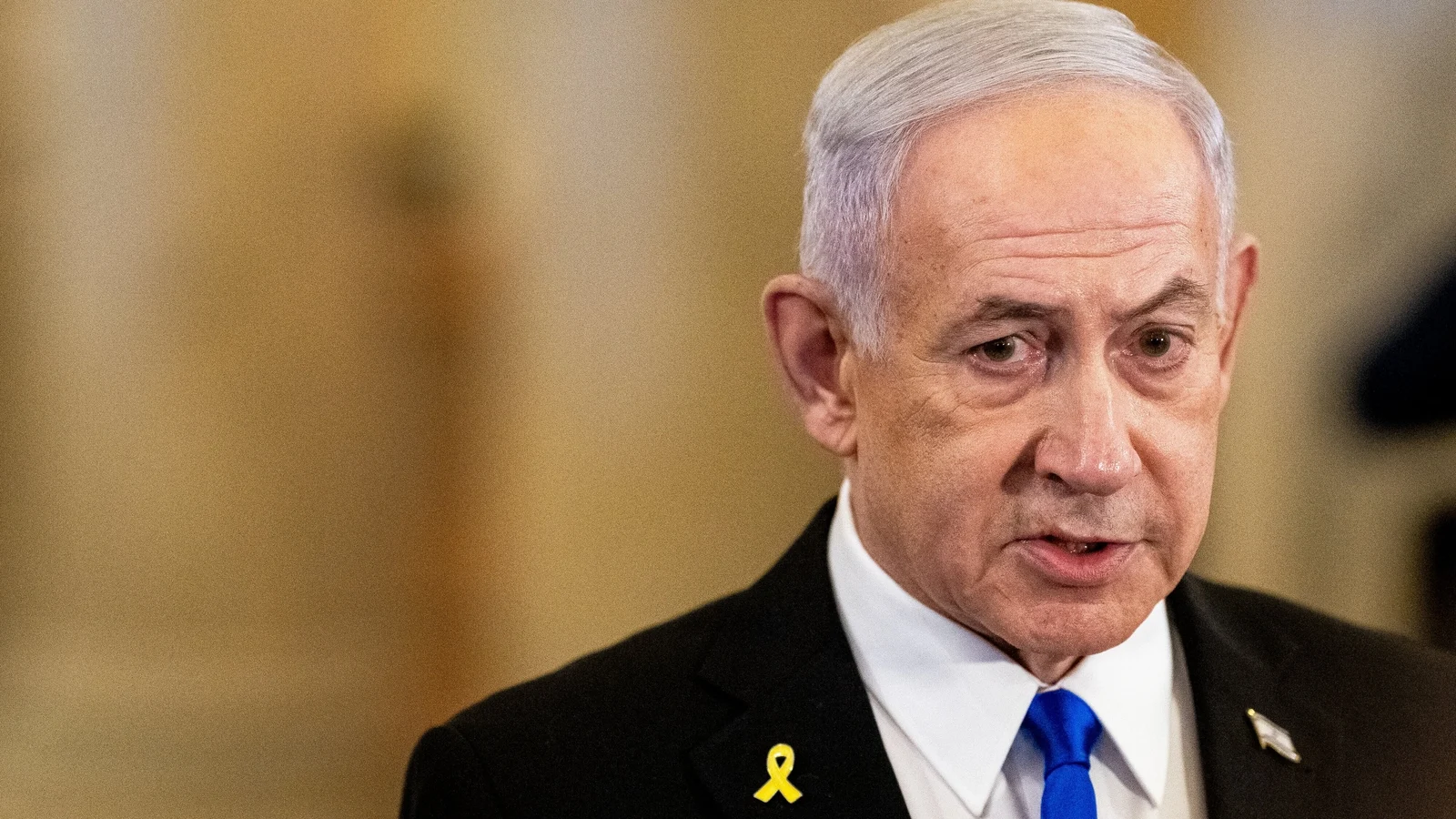
On a warm Abu Dhabi evening, the city’s glass towers shimmered like a row of sentinels above the Persian Gulf. Inside a teahouse near the corniche, shopkeepers and office workers paused their conversations to scroll through the same headline: did Israel’s prime minister secretly visit the United Arab Emirates during a fraught period of conflict with Iran?
The story read like a spy novel — a clandestine trip, a meeting behind closed doors with the Emirati president, and, if true, a diplomatic leap that would rewrite recent assumptions about alliances and survival in the region. Then, almost as quickly, the air was cleared: the UAE’s foreign ministry called the reports “baseless,” insisting no such visit or unannounced military delegation had been received.
“We have received no dignitary or military unit from Israel,” an Emirati diplomat told me over the phone, his voice low with frustration. “Any claim otherwise is not grounded in fact and was never coordinated with us.”
From Jerusalem, an aide to the Israeli prime minister’s office struck a different tone: “This was a narrow, strategic engagement that marked a breakthrough in cooperation,” the aide said, speaking on background. “In times of war nations sometimes move fast and quietly to protect their people.”
Why this matters
The tug-of-war over the visit is more than a matter of protocol. It sits on top of a much bigger, raw wound: the war that began on 28 February when US and Israeli strikes hit Iranian territory, sparking a cascade of tit-for-tat incidents that sent the region into jittery overdrive.
The UAE finds itself in the crosshairs, having reported repeated missile and drone strikes in the weeks since. The lore of secrecy — whether true or not — hints at a recalibration: partners helping partners, perhaps quietly. Or it could be a fissure that reveals competing narratives, each government shaping the story for domestic audiences and international allies.
The Strait of Hormuz: Tollbooth of Power
If the alleged visit was a one-line beat in the ledger of geopolitics, Iran’s posture over the Strait of Hormuz is a chapter. The waterway is not just a channel of water; it is a chokehold on the world’s energy arteries. In peacetime roughly one-fifth of seaborne oil and liquefied natural gas passes through its narrow passage. In war, it becomes a weapon.
Iranian commanders have openly suggested that their control of the strait could be monetized — “significant” revenue, even the potential to double oil income, according to state media summaries of a military spokesman’s remarks.
“When you control the gate to global energy, you have more than a military advantage,” said Sara Lin, an energy strategist in Singapore. “You have leverage over shipping routes, insurance premiums, commodity prices and the economies that depend on them.”
Indeed, Brent crude climbed above $100 a barrel as markets jittered over the continued uncertainty, and analysts warned that even sporadic closures or delays could ripple into food and fertilizer shortages because petrochemical feedstocks travel these same lanes.
From tolls to tankers
Reports that Tehran began collecting “tolls” on vessels — small sums at first, according to Iranian parliamentary officials — have alarmed import-dependent nations. Iran’s definition of where the strait begins and ends now stretches from Jask in the east to Siri Island in the west, a broader zone that gives Tehran room to claim oversight.
“We’ve seen state-backed entities in Tehran adopting new revenue streams during crises before,” said Dr. Karim Mansouri, a Tehran-based maritime security analyst. “The idea that Iran would turn maritime control into income isn’t surprising. The more worrying part is how other states respond.”
Response is complicated. The United States has enforced a naval blockade on Iranian ports and repositioned the aircraft carrier Abraham Lincoln in the Arabian Sea. US officials report redirecting dozens of commercial vessels and, at times, disabling ships. Washington has also warned that no single country should be able to impose tolls on traffic through Hormuz — an idea apparently acknowledged in recent US-China discussions ahead of a summit between President Donald Trump and Xi Jinping.
On the ground: people and pricing
The geopolitical chess plays out with human faces and real bills. At a diner near the Mina Zayed fish market, 58-year-old Fatima al-Harbi folded her hands around a cup of strong coffee and spoke about prices.
“We used to buy fish for three dirhams, now it’s more than double,” she said. “Everything goes up. Fuel, bread, working costs. People talk about politics, but we count bills.”
In the port town of Jask — now in the language of some Iranian officials part of a “controlled zone” — a boat captain named Reza shrugged when asked about tolls. “The sea has always been how we live. If they put new rules, we follow them. But it is the ships that pay; the fishermen pay with fewer buyers,” he said.
Global supply chains under stress
Ship trackers have shown increased activity by large tankers flagged by China and elsewhere attempting to weave through the disputed waters. Some nations are exploring alternative logistics: rerouting via the Red Sea and Suez Canal, expanding pipeline capacity, or locking into bilateral shipping arrangements that resemble Tehran’s deals with regional partners.
- About 20% of global seaborne oil flows through the Strait of Hormuz in peacetime.
- Brent crude breached triple figures amid the tensions, affecting fuel and fertilizer prices worldwide.
- The US has reported redirecting and disabling dozens of vessels as part of its enforcement measures in the Arabian Sea.
Bigger picture: alliances, elections, and economics
These are not isolated incidents; they are symptoms of a shifting international order. The Abraham Accords of 2020 brought normalization between Israel and several Gulf states, but those diplomatic bridges are being tested by a war that draws in Iran, the US, and by extension, China and other global powers.
Back in Washington, politics looms. The White House has framed demands in stark terms: end Iran’s nuclear ambitions and lift its grip on Hormuz. “They cannot have a nuclear weapon,” President Trump reiterated as he departed for talks with Xi — a line that resonates domestically and fuels critics who argue that the costs of war are being borne by taxpayers and ordinary families.
Polls indicate restlessness. A Reuters/Ipsos survey showed a large share of Americans want clearer explanations for why their country is at war. At home, inflation metrics — food, rent, and transport — are biting into household budgets, adding a domestic pressure cooker to foreign policy calculations.
Where do we go from here?
For ordinary people in Abu Dhabi, Jask, and ports around the globe, the questions are immediate: will prices rise further? Will shipping routes remain safe? Can talks, backchannel meetings, and international pressure defuse a situation that has already drawn planes, carriers, and insurers into a risky spiral?
“Diplomacy often happens in whispers before it becomes news,” an unnamed Western diplomat told me. “But whispers without confirmation are dangerous too — they create expectations and sometimes false hopes.”
So, reader: imagine you are a trader watching oil tick higher, a commuter facing a price rise at the pump, a parent counting grocery expenses. How much of your life should be determined by decisions made thousands of miles away on a strait half the width of a city? The answer may well shape the next chapter of geopolitics in the Gulf and beyond.