When Your Instagram Becomes a Visa Question: A New Era of Border Screening
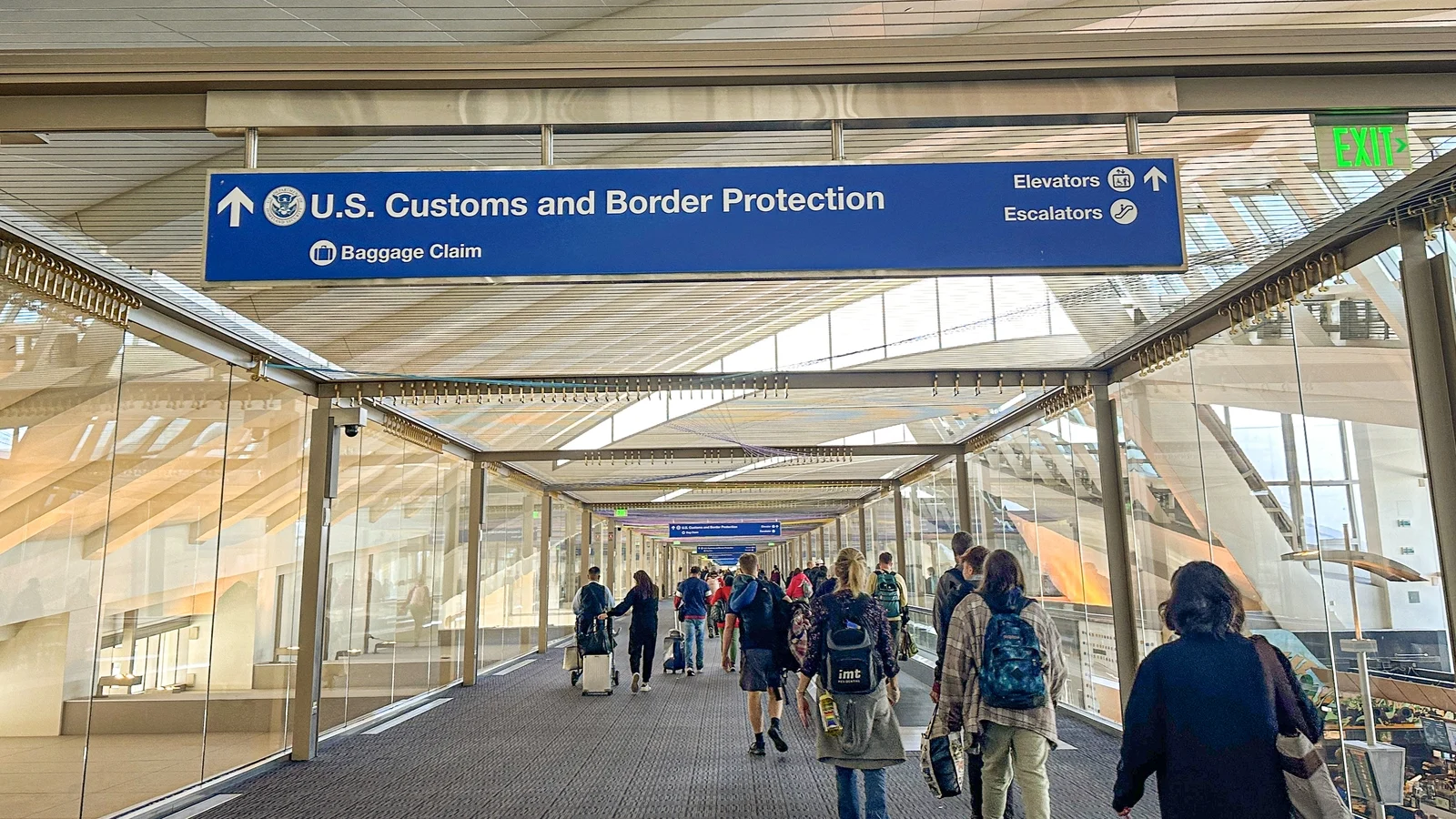
Imagine packing for a trip to New York — the suitcase half-zipped, a coaxing text from a cousin about bagels, a tab still open to a Broadway show. Then, before you can breathe, a government form asks you to hand over your Facebook posts, Instagram handles and every tweet from the last five years.
That scenario moved abruptly toward reality this week when the U.S. administration published a plan that would make social-media histories a mandatory part of travel pre-clearance for visitors from 42 countries — nations that currently enter under the Visa Waiver Program. The list reads like a map of modern travel: Britain, France, Japan, Australia and Ireland among them. If implemented, travelers who today simply apply online for an Electronic System for Travel Authorization (ESTA) would be required to disclose years of online activity, previous phone numbers, a decade of email addresses, family details and biometric information.
What the rule would change — in plain terms
The proposal embeds social media into the very architecture of cross-border movement. Instead of an ESTA that asks for passport details and a few questions about criminal history, applicants would face a broader probe into their digital lives. Officials have framed this as a national-security measure — a way to better identify threats. Critics see something darker: a new normal of normalized surveillance across democratic borders.
Key elements of the proposal
- Mandatory disclosure of social media identifiers and history covering the previous five years.
- Collection of “high-value” data: phone numbers from the past five years, email addresses over the last ten years, familial relationships and biometric data.
- Applies to visitors from 42 countries participating in the Visa Waiver Program who currently use ESTA for admission.
- Public comment window of 60 days before any final rule is set.
Voices on the ground: fear, frustration, bewilderment
On the corner of Dublin’s Temple Bar, Máire O’Sullivan — who runs a small guesthouse — sips her tea and watches tourists drift by. “We rely on Americans,” she says, tapping a leaflet for local tours. “If people feel like they’re being read through a microscope every time they go on holiday, that will change who comes here in the first place.”
Across the Atlantic, a border-security official who asked not to be named described a different pressure: “We’re juggling public safety and civil liberties. The tools we could gain are powerful, but so are the risks.”
Privacy advocates are blunt. “This is a mass collection of intimate data that can chill free expression,” says Dr. Lina Morales, a researcher at a European digital-rights think tank. “People will alter how they communicate online if they expect their accounts to be scrutinized by foreign governments.”
And then there’s sport. With the U.S., Canada and Mexico preparing to host the 2026 FIFA World Cup — an event that will bring millions of fans across borders — the stakes feel immediate. “If fans believe their online activity or past phone numbers could be used against them, they might decide to stay home,” a travel industry executive warned. “That’s not hypothetical. Tourism is an industry built on trust.”
The global backdrop: more travel, more scrutiny
To understand the potential ripple effects, step back a beat. In 2019 — the last fully “normal” year before pandemic upheaval — the United States received roughly 79 million international visitors. Business travel, tourism, family visits, and investment meetings all rely on relatively frictionless movement. Tightening that movement with a digital sieve could reshape patterns of commerce and culture.
And it’s not only a U.S. conversation. Governments around the world have been experimenting with new border technologies: facial recognition at airports, automated passport gates and expanded biometric databases. Those tools promise speed and security, but they also raise questions about consent, data security and whether democracies want to slide toward the kind of mass surveillance typically associated with authoritarian regimes.
Whose data — and who protects it?
“Collecting social media history is one thing; protecting it is another,” says information-security expert Anil Kapoor. “We’ve seen repeated breaches of even well-protected systems. Ask yourself: if a foreign power or a bad actor accessed these databases, what’s at stake?”
Data retention policies, access controls, and cross-agency sharing are all part of the debate, and they’re not fully answered by the notice published in the Federal Register. That ambiguity is fueling concern in boardrooms and family kitchens alike.
Economic consequences: more than tourism
It’s easy to think of this as a travel story, but business ties could fray too. Foreign direct investment is a relationship built on people-to-people connections; entrepreneurs, tech teams and investors cross borders to meet, negotiate and build trust. “If prospective American partners believe our nationals will be deterred from traveling, it could cool dealflow,” notes an Irish trade official. “Conversely, our start-ups may find it harder to recruit U.S. talent if reciprocity were to follow.”
Questions worth asking
Would you hand over your private messages because you want to watch a baseball game in Minnesota? Would a family visit for a graduation be worth exposing a decade of email addresses? Where is the line between safety and intrusion?
Ultimately this proposal asks more than the usual policy question of effectiveness; it asks us what kind of global society we want to be. Do we open borders while guarding privacy, or do we trade far more for the promise of security?
What happens next
The rule is not yet final. A 60-day public comment period provides a window for citizens, companies and civil-society groups to make their voices heard. Lawmakers in Europe and trade bodies will almost certainly raise concerns about reciprocity and the commercial impact. And judges — eventually — could be asked to weigh in on constitutional or human-rights grounds.
For travelers and locals alike, the coming months will reveal whether this is a temporary flashpoint or the start of a deeper shift in how states view movement, information and control.
So, reader: if you were planning to catch a U.S. road trip next summer, what would you do now? Cancel the booking? Open a blank, scrubbed account? Or simply send your ESTA, click “agree,” and let the system decide? The answer you’d pick says a lot about how you balance liberty and safety — and about the world you want to cross.