A Billion-Dollar Seat at the Table: Inside Trump’s “Board of Peace” and the Price of Peacekeeping
Imagine being handed an invitation to join a new international council whose chairman is also its gatekeeper — and whose permanent members are, in effect, those who can afford the premium seating. That is the surreal choice now facing diplomats from Beijing to Buenos Aires: pay $1 billion and claim a permanent spot on what its founders are calling the “Board of Peace,” or join on shorter terms and cede influence to a chair with unprecedented powers.
The board — conceived publicly as a vehicle to manage post-conflict reconstruction, originally pitched around Gaza — reads on paper like an attempt to codify a new, private-style layer of global governance. The charter, circulated by the White House and reviewed by news outlets, describes an organization whose stated purpose is “to promote stability, restore dependable and lawful governance, and secure enduring peace in areas affected or threatened by conflict.” But the devil, as always, is in the details.
Who Runs the Room?
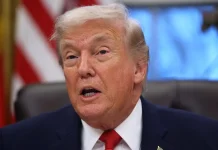
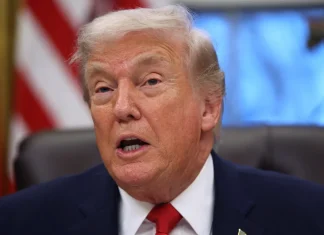
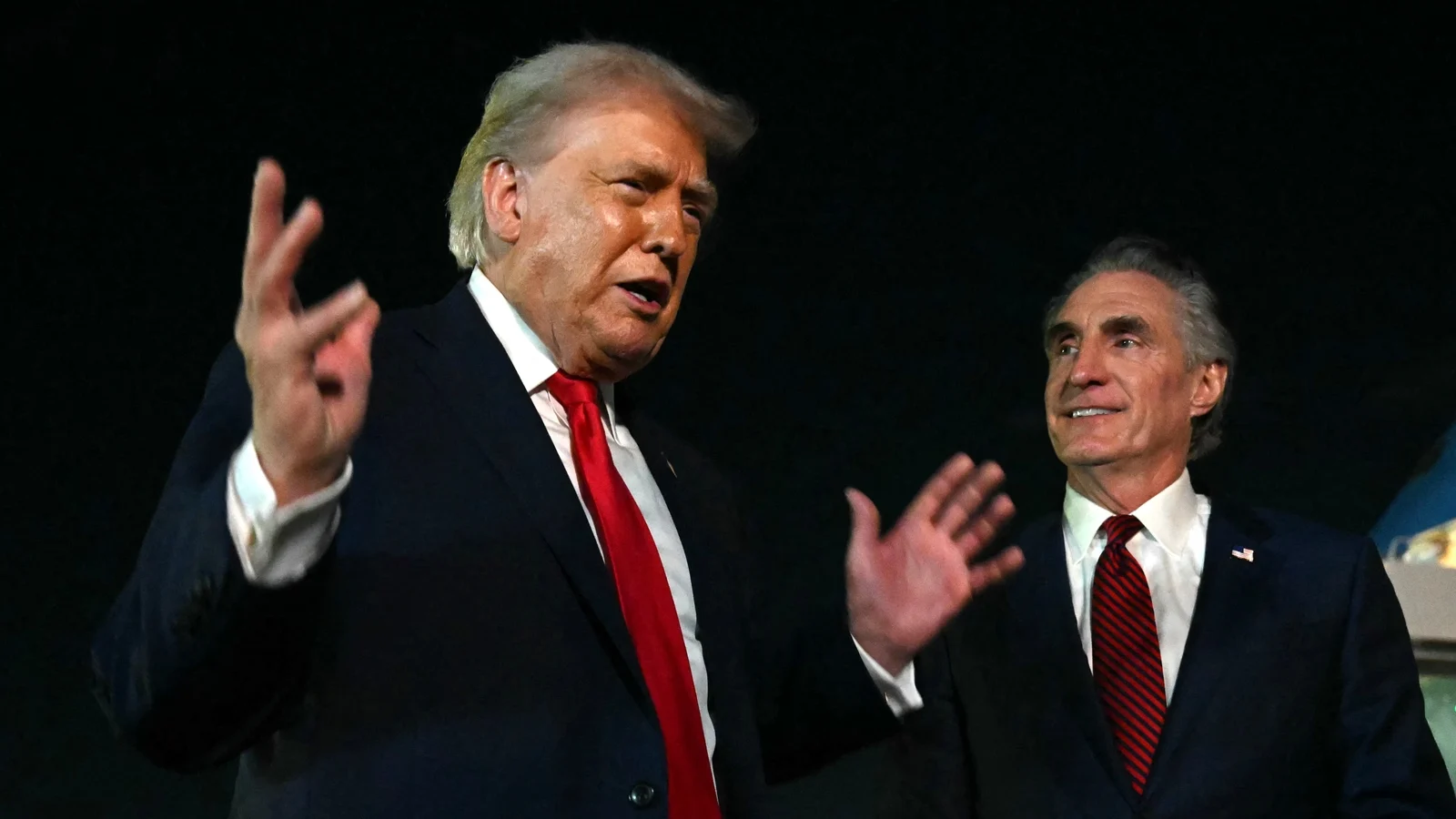
At the center of the design is one man: Donald J. Trump. The charter names him chairman, and gives the chairman the power to appoint an executive board, to create or dissolve subsidiary bodies, and — crucially — to approve the decisions of member states. In a tie vote, the chairman may cast a vote. The chairman can be removed only by voluntary resignation or incapacity.
“Structure matters,” said a Washington foreign-policy analyst who asked not to be named. “This isn’t just another club. It concentrates authority in a way modern multilateral institutions usually try to avoid.”
The charter lists seven members of an operational executive board that would “operationalise” the mission: the U.S. secretary of state (named in the charter as Marco Rubio), former UK prime minister Tony Blair, Jared Kushner, the World Bank president Ajay Banga, and several financiers and close Trump aides. The optics — an intermingling of political figures, billionaire financiers, and former technocrats — sparked immediate debate about the nature of authority in the age of private capital and political entrepreneurship.
Pay to Stay? The $1 Billion Question
Most striking is the fee structure. Member states may serve three-year terms under normal rules; but any government that contributes more than $1 billion in cash within the first year secures an exemption from that term limit — effectively permanent membership.
“It’s plain and simple: money buys permanence,” said Amira Zaki, a civic activist in Cairo who works with post-conflict community rebuilding projects. “In our neighborhoods, we see donors come and go. Long-term rebuilding is about trust, not cheques.”
The cash-for-permanence clause has already reshaped the diplomatic calculus. Invitations have gone out to dozens of leaders — from Xi Jinping and Narendra Modi to Vladimir Putin and Volodymyr Zelensky — and a scattering of nations have signaled interest. Canada, for one, said it will participate but balked at paying the billion-dollar sum. France has declined to join, prompting a blistering reaction from the U.S. — including a presidential threat of punitive tariffs on French wine that sent a ripple of anxiety through vineyards from Bordeaux to the Loire.
“If trade snarls over politics, people lose first,” said a winemaker in Bordeaux, who spoke on condition of anonymity. “Our harvests can’t be turned into bargaining chips without costs that go far beyond price tags.”
What Would the Board Actually Do?
The charter claims the board will operate “in accordance with international law” and to “promote stability” in conflict zones. That language is intentionally broad, leaving vast discretion to the board — and, under the charter’s mechanics, to its chairman.
Analysts say this opens both opportunities and risks. On the positive side, some see a potential for faster, more flexible coordination of reconstruction funding and logistics than cumbersome UN processes sometimes allow. “There’s a hunger for nimble responses,” said a European diplomat. “When a city needs electricity, a sluggish approval cycle is a moral problem.”
But critics caution that speed without accountability risks prioritizing projects that favor political allies or commercial interests. “We used to talk about the privatization of war; now we’re seeing the privatization of peace,” said Dr. Lena Ortiz, an expert in post-conflict governance. “If heavyweight donors steer reconstruction to their preferred contractors and political outcomes, we could entrench divisions rather than heal them.”
Geopolitics on the RSVP Line
Perhaps the most geopolitically curious aspect is the list of invitees: the board opens its doors to rivals and allies alike. China, India, Russia, Ukraine, and a swath of countries spanning Europe, Asia, Africa, and Latin America have reportedly received invitations. That means the board could become a theater where global tensions play out — a forum where Moscow and Kyiv find themselves in the same room, or Beijing and Washington calibrate influence through cash contributions.
“Being in the room doesn’t mean being on the same page,” warned a foreign minister from a Middle Eastern country. “Diplomacy is messy. Sharing a table with an adversary is part of the craft, but the rules have to be trusted.”
Local Voices, Global Stakes
In a narrow street market in Cairo where food vendors stacked flatbreads and oranges, people were less concerned with procedural nuance than practical outcomes.
“If the money rebuilds schools and hospitals, I’ll be relieved,” said Rania Hassan, a mother of three who lost her home in conflict. “But if it builds luxury apartments no one can afford, what’s the point?”
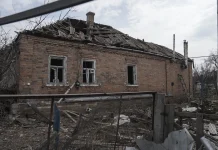
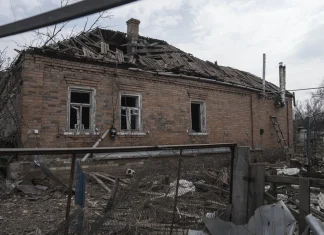
Her question cuts to the heart of a larger debate: reconstructing a city is not simply concrete and steel. It is about livelihoods, governance, and the dignity of those who live in the shadow of conflict. That is why many experts insist that any new mechanism must embed local participation and transparent accountability — not only deliverables signed off by distant capitals and financiers.
Big Picture: What Does This Mean for Global Governance?
We stand at a crossroads. The Board of Peace, as proposed, is a radical experiment in reimagining how the world funds and manages recovery from war. It is also a test of public tolerance for a model that explicitly ties influence to financial firepower.
Consider the numbers: global military spending topped roughly $2 trillion in recent years, while reconstruction needs for major conflicts run into the billions — sometimes tens of billions. If wealthy states view a billion-dollar buy-in as a price worth paying for permanent influence, the shape of international institutions could change in ways we have yet to fully appreciate.
Is that change an efficiency gain or a dangerous erosion of multilateral principles? Should healing wounded cities be a matter of market dynamics and political patronage, or of collective responsibility and rule-bound institutions? These are not abstract questions for diplomats alone; they will affect the lives of millions seeking shelter, schools, and steady work.
Questions to Take Home
- Do you trust concentrated decision-making — even if it promises speed — with the futures of cities and citizens?
- Would you support a model where countries can essentially purchase permanent influence over reconstruction efforts?
- How should global institutions balance urgency with accountability?
The Board of Peace is still being assembled; the charter takes effect once three states consent. But the choices we make today about who sits at the table and who pays for the privilege will echo into tomorrow’s rebuilt neighborhoods. If we are to believe in peacebuilding, it must be more than a ledger entry. It must restore dignity as well as infrastructure — and do so under rules that earn the trust of the people who will live under the results.
So ask yourself: would you take a seat at a table where the price of permanence is paid up front? And if not, what alternative would you design?