When Madrid Said No: A Small Country, a Big Moral Choice
Late one crisp Madrid evening, Spain’s prime minister stepped in front of a camera and spoke as if he were talking not to a room of politicians but to a cross-section of humanity: parents, shopkeepers, soldiers, and the children who would inherit the consequences of today’s choices.
“You cannot play Russian roulette with the destiny of millions,” Pedro Sánchez said, his voice steady. “This is how humanity’s great disasters start.” The phrase landed like a pebble in a still lake; the ripples reached capitals and trading floors around the world.
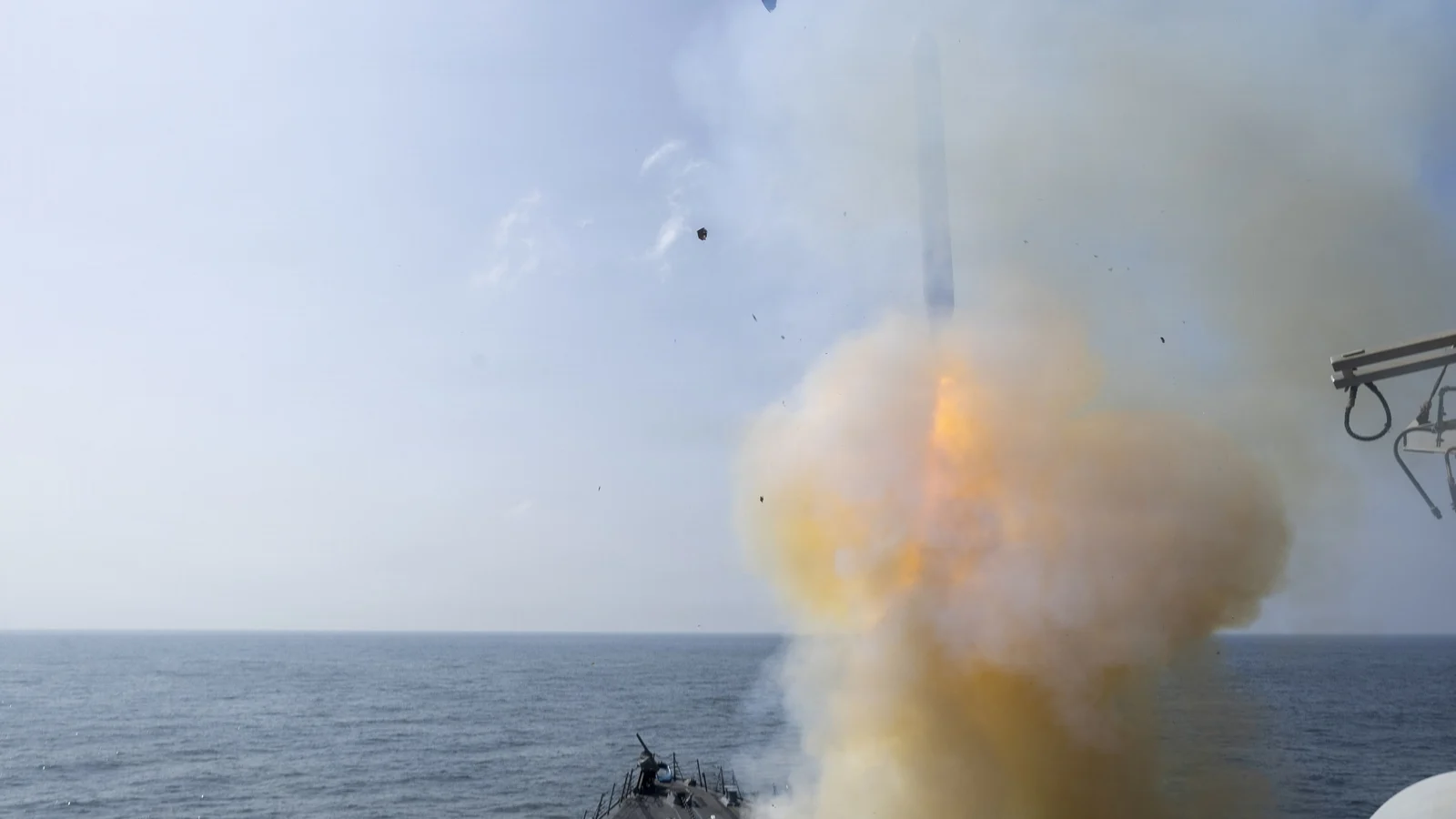
The spark was brutal and sudden: US and Israeli air strikes against Iranian targets over the weekend, an offensive that has set off the kind of diplomatic aftershocks that redraw alliances and reroute commerce. Spain, a NATO member that hosts two important U.S. facilities in the south — the naval base in Rota and the airfield at Morón — reacted by closing those bases to U.S. planes involved in the operation and by openly denouncing the strikes as reckless.
From Andalucían Harbors to the Halls of Power
Drive south from Seville and you find Rota’s harbor boats silhouetted against the Atlantic. Local fishermen, who have seen both the boom of tourism and the ebb of fisheries, watched the national drama unfold with a mix of disbelief and weary familiarity.
“This is not our war,” said Carmen López, 58, who runs a tapas bar a five-minute walk from the docks. “We sell olives and shrimp, not bombs. But when the world gets hotter, our bills and our children’s futures get colder.”
The decision to deny use of Rota and Morón was not merely symbolic. Those installations are linchpins of U.S. naval and air logistics in Europe — the kind of real estate that turns strategic plans into practical operations. In Madrid, officials argued that Spain’s move was a defense of international law, not a provocation.
A Trade Threat and a Transatlantic Fracture
Washington’s response was as sharp as it was immediate. In a televised exchange, President Donald Trump threatened to “cut off all dealings” with Spain over the government’s stance. The words bounced through Madrid’s corridors of power and onto the phones of Spanish exporters and investors who trade heavily with the United States.
“We are not going to be complicit in something that is bad for the world or contrary to our values simply to avoid reprisals,” Sánchez replied. “No to the war — four words, but a coherent position.”
Whether those words will be enough to protect Spain from economic fallout is the question on everyone’s mind. Bilateral trade between Spain and the United States accounts for tens of billions of euros a year and supports tens of thousands of jobs on both sides of the Atlantic. A sudden tightening of ties would be felt in factories, shipping yards, and the small businesses that stitch global supply chains together.
Allies, Laws, and the Erosion of an Old Order
Across Brussels, the European Commission issued a measured shot across the bow of threats: it stood “ready” to defend EU interests through the bloc’s trade mechanisms. “We stand in full solidarity with all member states and, through our common trade policy, stand ready to act if necessary to safeguard EU interests,” Commission spokesman Olof Gill said.
From Sydney, Canada’s prime minister — speaking during an official visit — described the strikes as “inconsistent with international law” and urged a rapid de-escalation. “Canada calls for a swift reduction in hostilities and reaffirms that international law binds all belligerents,” he said.
International lawyers and historians watching this stanza of global theater cannot help but draw parallels. The 2003 U.S.-led invasion of Iraq, many remind us, sowed deep and long-lasting instability across the Middle East: experts estimate the economic costs of that conflict ran into the trillions and the human toll into the hundreds of thousands. The lessons are cautionary and stark.
“We learn from those mistakes not just because they were costly, but because they reshaped security, migration, and the very credibility of multilateral institutions,” said Dr. Ana Ruiz, professor of international relations at the Complutense University of Madrid. “This is not about being anti-American or anti-Israeli; it’s about asking whether unilateral military action advances human security or merely compounds suffering.”
Voices on the Street and in the Boardroom
In the bustling market of La Latina, a teacher named Javier tapped his fingers on a cup of café con leche. “Our kids learn about ‘never again’ in school, but then we see decisions made as if history has no memory,” he said. “People here want peace. It’s as simple and stubborn as that.”
But the international picture is not monochrome. Some leaders and analysts argue that if Iran has resumed activities that threaten regional stability or undermined non-proliferation efforts, action must be considered. “You cannot ignore a nuclear pathway when you are responsible for the security of millions,” a former diplomat now advising a European security think tank told me on condition of anonymity. “But legality and multilateral legitimacy matter. They are the only long-term currency in international relations.”
Markets, Energy, and the Quiet Costs of War
Beyond the moral and legal questions lie immediate material consequences. Markets are jittery; oil and gas prices tend to spike on news of major conflict in the Middle East, a region that still supplies roughly one-fifth of the global oil market. For European consumers, who are still feeling the aftershocks of the 2022 energy crisis, a fresh surge in prices could be devastating.
Then there are secondary effects: supply chains rerouted, insurance premiums for shipping climbing, and investors recalibrating risk. For local businesses whose livelihoods depend on stable trade, the geopolitical debate is not abstract. “If exports slow down, my factory will shrink,” said María González, who runs a small textiles workshop in Valencia. “We don’t want war. We want orders.”
What Comes Next?
Madrid’s stance has set a dramatic test for the post-war architecture that underpins international order. Will NATO’s cohesion hold when members publicly clash over the legality and wisdom of strikes? Will the European Union prove capable of defending its collective economic interests? And perhaps most important: will the international community find pathways to diplomacy before the conflict broadens?
These questions are not the sole province of policymakers. They belong to all of us. When a government says “no” to war, is it shirking responsibility or shouldering it? When a superpower threatens retribution, is it protecting its interests or bullying the world into compliance?
In the end, Sánchez framed his government’s decision in moral terms: “We’re not going to be complicit in something that’s bad for the world.” The line resonated in alleys and embassies alike — a reminder that, as history keeps proving, the actions of states ripple outward, shaping not only geopolitics but the day-to-day lives of ordinary people.
What would you do if your country were faced with this crossroad? Vote with your voice in the comments, but more importantly, ask your leaders what long-term vision they have for a world that seems, more often than not, teetering on the edge of someone else’s impulse.