Dawn and Dust: How a Pre-Dawn Strike Turned the Gulf Into a Global Story
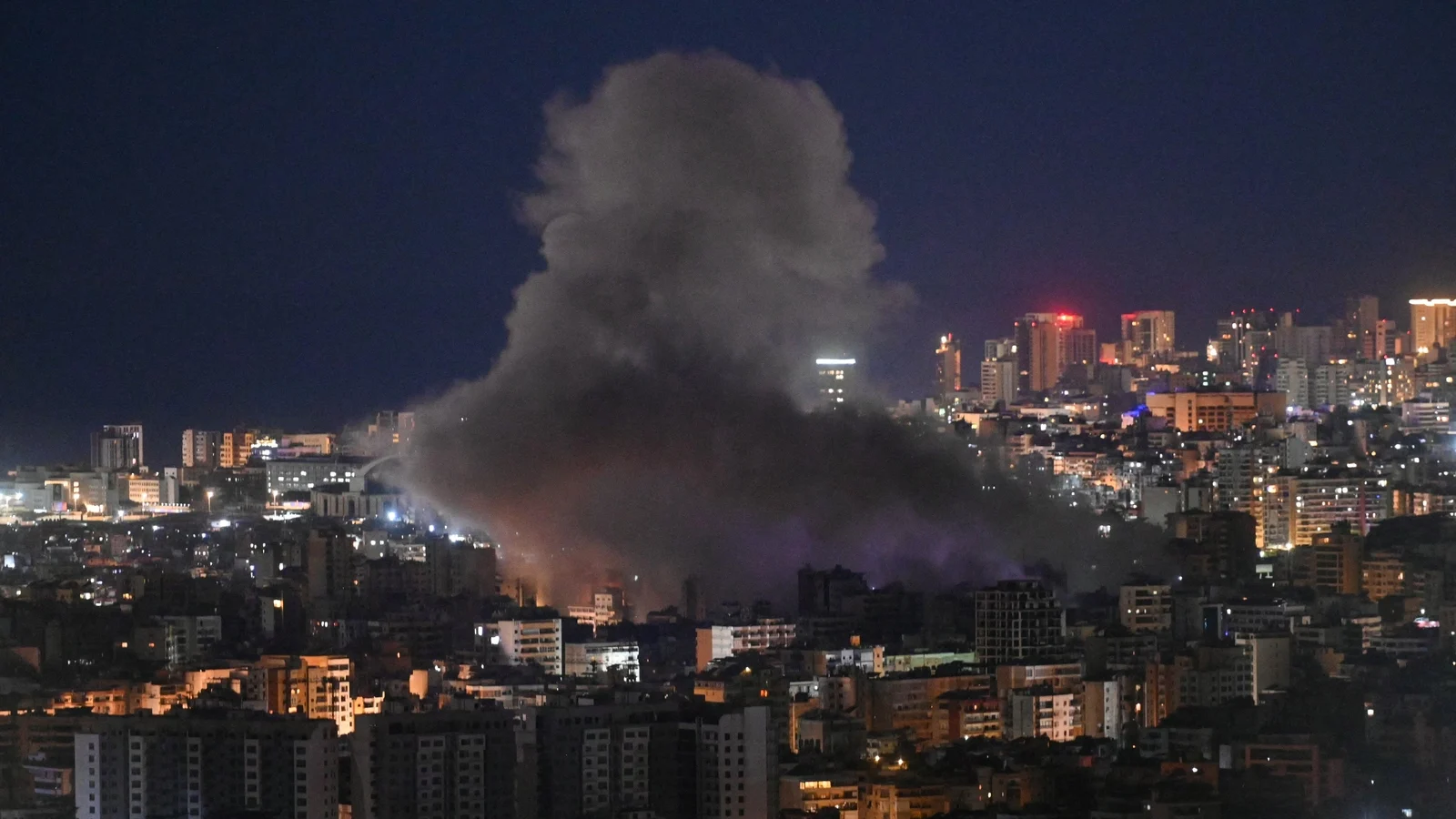
Before the sun rose, the suburbs of Beirut tasted smoke. A pre-dawn airstrike cut through the fragile hush, a precise burst of light and sound that fractured the night and the already brittle calm in the Levant.
Residents who had been warned to flee only hours earlier scrambled from shuttered homes, children clutching blankets, elders clutching photo albums. “We had minutes to go,” said Rana, a shopkeeper in Hazmieh, her voice tight with fatigue. “I left with my slippers and my son. You can’t explain to a child why the world suddenly screams.”
The target was a Hezbollah stronghold in the Beirut suburbs — the group Tehran backs and which has publicly vowed to retaliate for the killing of Iran’s supreme leader. Israel, which carried out the operation, said it was simultaneously intercepting a fresh barrage of missiles launched from Iran. Across the region, explosions and the white plumes of intercepted rockets painted a night sky people in Tel Aviv, Dubai and Riyadh will not forget soon.
Numbers on the Ground — and in the Air
As morning unfolded, casualty counts and displacement figures began to trickle in like conflicting radio reports.
Lebanese officials reported at least 75 dead and more than 83,000 people displaced since this round of fighting began — numbers that mask individual tragedies: lost livelihoods, shattered homes, schools turned into shelters. Meanwhile, Iran’s state news agencies claimed a far higher toll across the theatre, while U.S. authorities reported military losses in single digits. Such gaps between figures are now part of the grim arithmetic of modern conflict.
Global supply chains felt the shock as well. The Strait of Hormuz, a narrow maritime choke point through which roughly one fifth of the world’s crude oil typically transits, saw tanker transits plunge by some 90 percent, according to energy intelligence firm Kpler. Markets that had been watching for months for any sign of instability suddenly found a very real reason to care.
Across the Gulf: Missiles, Missed Targets and a Stricken Warship
The fighting did not confine itself to Lebanon and Israel. Iran announced it had fired missiles “across the region” and its Revolutionary Guards claimed to have closed the Strait of Hormuz — an assertion that, true or not, sent shocks through global energy markets and shipping lanes.
Near Kuwait, Britain’s maritime agency reported a large explosion early in the morning and images of oil slicks spreading across Gulf waters began circulating on social media. In Iraq, a mysterious nationwide blackout left millions in darkness; Baghdad’s electricity ministry attributed it to a sudden fall in gas supplies to a key powerplant, though the timing raised uncomfortable questions.
Then came the news that a U.S. submarine had struck an Iranian frigate off Sri Lanka — the IRIS Dena — during what had been described as a “friendly visit” to the region. Sri Lankan officials later said at least 87 people were killed and 61 remained missing; 32 sailors were rescued, some wounded. The United States released footage it said showed the warship sinking in international waters.
The U.S. defense secretary described the operation in blunt terms, saying the strike had been deliberate and decisive. “We are fighting to win,” he told reporters. Iranian officials in turn warned of an increasingly costly response and an escalation that could engulf diplomatic missions and civilians far beyond the front lines.
A Missile That Missed — and a World That Nearly Did
In an unprecedented moment of cross-Atlantic tension, a missile launched from Iran was shot down by NATO air defenses as it veered toward Turkey’s airspace. Turkish officials said the missile had been aimed at a British base in Cyprus and “veered off course.” Ankara summoned the Iranian ambassador and warned against any act that could expand the conflict.
“This was a dangerous near-miss,” said Dr. Leyla Özdemir, a security analyst in Istanbul. “It underlines how quickly errors or technical failures can escalate into broader, even global, crises. One malfunctioning missile is not just a technical issue — it’s a political one.”
Civilians, Cities and the Collateral Damage of Modern War
For people on the ground, geopolitical rhetoric is cold comfort. In Kuwait, an 11-year-old girl was reported killed by falling shrapnel. In the Iranian port town of Minab, state television broadcast scenes of grieving families with bodies wrapped in white shrouds — claims of more than 150 dead, many children.
Gulf cities long celebrated for their safety — Dubai, Riyadh, Doha — suddenly woke to air raid alerts and intercepted missiles. Authorities reported several interceptions of missiles and drones, including one aimed at Saudi Arabia’s Ras Tanura oil complex, a lifeline for the global energy market.
Commercial air travel has been hit. Airlines rerouted flights, and governments chartered flights to evacuate citizens: the United States sent a first charter for Americans, and France and Britain performed similar extractions. Tourists and expatriates shuffled through airports with duffel bags and faces full of questions about where to go next.
Voices from the Rubble
“We have no more patience to wait for news,” said Hassan, a schoolteacher sheltering in southern Lebanon. “You wake to a world that changes its mind at the sound of a siren. Children can’t do schoolwork when the books are damp from smoke.”
Amid the chaos, aid groups warned of rising humanitarian needs. Hospitals in border towns said they were overwhelmed; supply chains for food and medicine were stretched thin. “If this continues, it will not be only a security crisis, but a humanitarian disaster,” warned Sara Haddad, coordinator for a Beirut-based relief NGO.
Why This Matters to You — and to the World
Beyond the immediate human toll, there are cascading consequences. The temporary shutdown of a vital shipping channel and the disruption of oil tankers reverberate through economies already fragile from pandemic recovery, climate stress and inflation.
Consider this: when the Strait of Hormuz slows to a trickle, oil prices can spike, shipping insurance costs jump, and supermarkets halfway around the world feel the squeeze. Global diplomatic institutions find themselves tested as alliances calibrate responses while trying to avoid a larger conflagration.
What do we do when wars are fought not only with soldiers but through drones, cyberattacks, and strikes on infrastructure that civilian life depends on? How do communities rebuild trust and normality when a school can be a target one week and a shelter the next?
Paths Forward — and Peril
- Immediate de-escalation and clear communication channels are essential to prevent accidental escalation between major powers.
- Humanitarian corridors and neutral monitoring are needed now to reach displaced families and to protect hospitals and schools.
- Global institutions and energy markets must plan for sustained disruptions to chokepoints like Hormuz and diversify supply routes.
As diplomats make frantic calls and generals issue strategic statements, the people under the rubble keep counting losses and holding onto small acts of dignity: sharing bread, making tea at a makeshift camp, consoling a neighbor who will not return to their home.
When you read these headlines from afar, spare a thought for Rana and Hassan and the families who woke before dawn. Ask yourself: when conflict touches a chokepoint, how does it touch your life? And what responsibilities do nations and citizens have to keep the worst from happening?
In an age where a missile’s arc can redraw maps of fear within hours, the world is being reminded — painfully and inescapably — that local tragedies have global echoes. How we answer them now will shape the next chapter of a region that has endured too many already.