When the Temple of New Nordic Cuisine Faces Its Reckoning
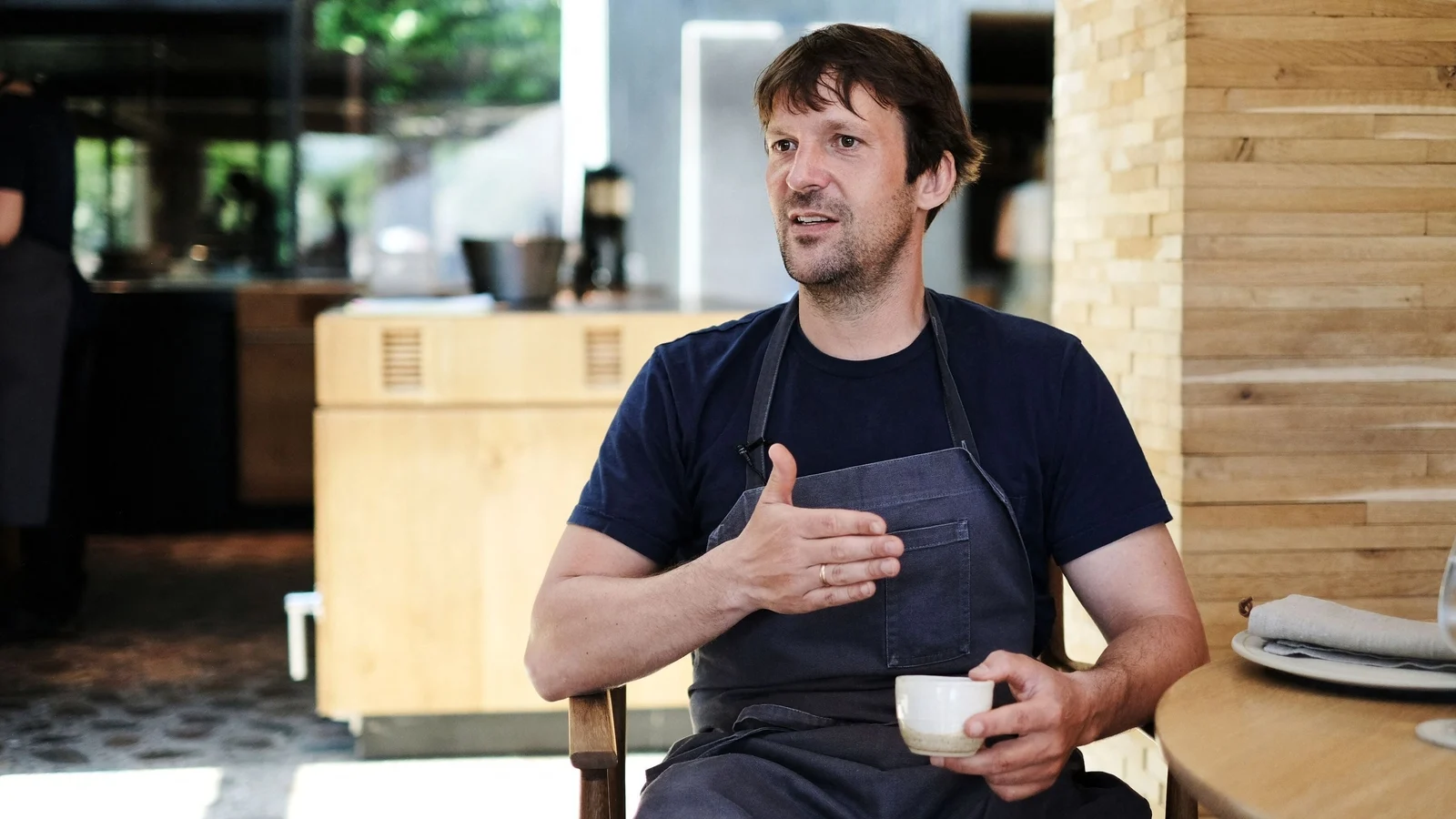
On a gray Copenhagen morning, the quay where Noma first made its name feels both ordinary and charged. Fishing nets dry on nearby boats. Commuters hurry past, umbrellas snapping in the wind. But for more than two decades this stretch of harbor was also a destination for pilgrims—food lovers with passports, gastronomes clutching reservations, critics scribbling furiously. It was where René Redzepi turned foraged weeds, fermented seaweed and lonely grains into a vocabulary of taste that reshaped modern cooking.
And now, that glow is frayed.
The Fall and the Facts
Noma—an acronym from the Danish words nordisk and mad, “Nordic food”—opened in 2003 and, by many measures, rewrote what a restaurant could be. It closed in 2016, reopened in a new location in 2018, and collected a string of superlatives along the way: multiple times crowned the world’s best restaurant, an engine of culinary innovation and a classroom for chefs who would go on to open celebrated kitchens across the globe.
Last weekend, The New York Times published an account that has cast those laurels into shadow: 35 former employees were interviewed about behaviors and incidents at Noma between roughly 2009 and 2017, reporting episodes of physical intimidation, public shaming, and a culture of fear. In the days that followed, former employees and whistleblowers used social media to amplify those stories and to demand accountability.
René Redzepi, in an Instagram post many saw as a watershed, wrote: “After more than two decades of building and leading this restaurant, I’ve decided to step away.” He added, bluntly and unvarnished: “An apology is not enough; I take responsibility for my own actions.”
Voices from the Kitchen
Behind every report there are human voices—murmurs in the pastry station, late-night laughter tinged with anxiety, cooks who slept on couches because there wasn’t time to go home. “We were taught that excellence needs sacrifice,” a former line cook, who asked to remain unnamed, told me. “But it got darker than that. You’d see someone publicly berated for a mistake and the whole room would freeze. We learned to swallow pride and fear at the same time.”
Jason Ignacio White, who led Noma’s fermentation lab for several years, began posting accounts on Instagram last month, describing what he and others saw. “Noma is not a story of innovation. It is a story of a maniac that would breed culture of fear, abuse & exploitation,” he wrote—an incendiary assessment that crystallized the anger many ex-staffers felt.
At the Los Angeles pop-up this week—meant to be a celebratory showcase of Noma’s work—former employees organized a protest. “It felt surreal,” said an LA-based diner who watched the demonstration. “People came not because they hate the food, but because they want truth. They want systems that protect people in the kitchen.”
More Than a Personality Problem
This moment is not simply about one person’s temper. It is about the architecture of power in high-end kitchens, a place where rigid hierarchies, extreme stress and hero worship can combine dangerously. For decades, the myth of the tyrannical chef—brilliant, tempestuous, indispensable—was almost a genre unto itself.
“We’ve romanticized brutality,” said a labor researcher based in Copenhagen. “We treat stories of harsh discipline as rite-of-passage lore: you survive, you become great. But what gets lost is the cost—that people leave the industry, that trauma accumulates, that abuse is normalized.”
And this cost is not theoretical. Anecdotal reporting, industry surveys and workplace studies over recent years point to persistent problems in hospitality: long, unpredictable hours, precarious contracts, and power imbalances that leave younger staff vulnerable. The #MeToo movement in the culinary world exposed similar patterns, and this latest chapter at Noma feels like part of a larger, global reckoning.
What Changed—and What Didn’t
Redzepi has acknowledged failings before. In a 2015 reflective essay he admitted to losing his temper and even called himself a bully for parts of his career. Since then, Noma instituted training and policies aimed at transforming workplace culture, he and others have said. But many former staffers, and some who still admire the restaurant’s work, argue that formal changes cannot erase what was lived.
“You can write policies, you can hire consultants, but culture is embodied behavior,” said a Copenhagen-based chef who trained at Noma and asked not to be named. “If people learned that they had to perform fear to be taken seriously, that won’t disappear with a handbook.”
Paths Forward: Accountability, Repair, Reform
If this scandal teaches us anything, it is that reform must be both structural and personal. Apologies matter, but systems must be reset. That means stronger protections for workers, clearer reporting channels, and cultural shifts that decouple creativity from cruelty.
- Transparent complaints processes—anonymous, independent, and with real consequences.
- Unionization and collective bargaining rights for culinary and hospitality workers so power isn’t concentrated.
- Mandatory leadership and bystander training focused on emotional intelligence and workplace safety.
- Public accountability from institutions and funders that elevate culinary leaders—awards, festivals, and critics included.
“Real change needs muscle and patience,” an organizational consultant who has worked with restaurants told me. “It will be messy. But institutions that want to survive must prioritize human dignity as fiercely as they pursue flavor.”
Beyond Copenhagen: A Global Question
Why should anyone beyond Denmark care? Because Noma is not merely a restaurant; it is a node in a global network of culinary exchange. Chefs trained there lead kitchens in New York, Tokyo, São Paulo and beyond. The values transmitted within its walls travel—technique, ethos, and yes, behaviors. When a flagship institution falters ethically, the ripples extend.
What do we expect from our cultural icons? Do we allow brilliance to overshadow harm? The answers are being rewritten in real time—in courtrooms, in social media feeds, at picket lines outside pop-ups that once felt like theatrical stages. Those questions should make us uncomfortable; discomfort fuels change.
Where Do We Go From Here?
René Redzepi’s decision to step down is both an ending and a test. Endings invite truth-telling, but they also require follow-through. To prevent future harm, the culinary world must transform the habits that allowed that harm in the first place.
As for the diners, the students, the cooks still in the line—what will you demand? What will you tolerate? The stories of flavor we celebrate are only as valuable as the lives lived to create them.
Walking away from the harbor, I pass a small stall selling smørrebrød. The bread is ordinary, the butter generous, the pickled herring familiar. Food can be simple and humane. It can nourish without cost. That, perhaps, is the lesson many hope Noma’s next chapter will finally embrace.