Nightfall in Tehran: A City Interrupted
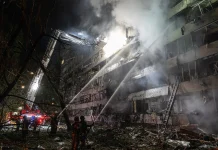
When the early evening air in Tehran was split by the sound of explosions, the city’s familiar chorus — the call of vendors in the bazaar, the rattle of buses along Valiasr Avenue, the distant hum of prayers from neighborhood mosques — stopped as if someone had hit pause.
It wasn’t the first time this year that the capital had felt the tremor of regional conflict, but for many residents the strikes that landed in the city were a jolt that brought war much closer to home. Streetlights flickered. People poured into alleys and stairwells. Windows shuddered. For a place that has lived with periodic tension for decades, the sensation was chillingly intimate: the front lines had shifted from a foreign border to the city’s skyline.
Voices from the Streets
“I thought the sky was falling,” said Roya, a thirty-year-old mother of two who lives near Laleh Park. “My youngest clung to me for an hour. You teach children to be brave in the face of thunder — but this was not thunder.”
A grocer in the Tajrish bazaar, who declined to give his full name, described the scene as “confusing and surreal.” He wiped his hands on his apron and added, “People ran out of shops with jars of pickles and boxes of dates. There was no time for logic — only instincts.”
State media and international outlets ran competing accounts through the night: official spokespeople warned of “acts against national security,” while amateur video and witnesses posted on social platforms captured streaks of light and columns of smoke. It is often in those first chaotic hours that rumor churns fastest — an element of warfare as potent as any missile.
First responders and hospitals
<p”Ambulances came in convoys,” said a nurse at a central Tehran hospital. “We were ready for numbers. We treated people with burns, concussions, and panic attacks. Many of those who came in were not physically hurt; their fear was their wound.”
Medical teams worked through the night, triaging injuries and trying to offer something that is in short supply during a city under strain: clear information and calm. “When everything else feels out of control, a steady voice matters,” the nurse added.
What We Know—and What We Don’t
In the hours after the strikes, conflicting narratives emerged. Government television described a deliberate attack on urban infrastructure, while hard-to-verify videos spread across social media appeared to show small explosions in several districts. No single comprehensive, independently verified account had emerged in the immediate aftermath.
That uncertainty is part of a pattern that has come to define contemporary conflict: the battlefield is as much informational as it is physical. The fog of war now extends into feeds, where disinformation and partial truths can inflame public sentiment faster than the events they depict.
Context: A region on edge
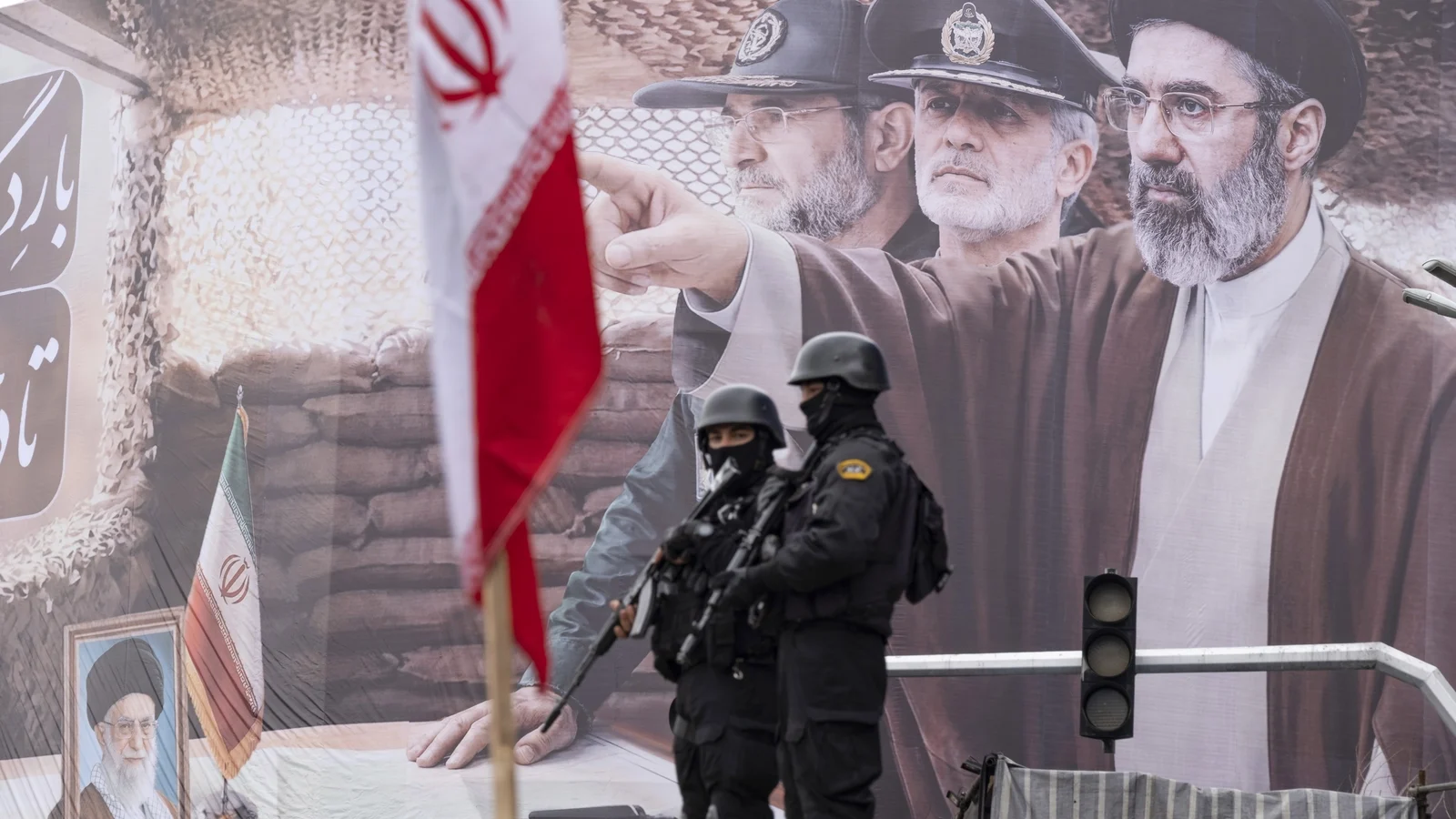
These strikes did not happen in a vacuum. Since the outbreak of intense hostilities across the region in October 2023, tensions between state and non-state actors have rippled outward, drawing in allies and proxies. Tehran sits at the heart of a complex geopolitical web, with deep ties to groups across the Levant and a fraught relationship with several regional powers.
Tehran is also not a small, isolated city. Its metropolitan area is home to roughly 15 million people, a dense human tapestry that makes any strike unlike a military campaign in the desert — civilians are woven into every street and alley. The disruption of daily routines, the psychological toll on children, the interruption of commerce and education: these are the hidden costs that headlines rarely enumerate.
Local Color in a Time of Crisis
Tehran is resilient in ways that outsiders often miss. In the hours after the strikes, neighbors opened doors to strangers. Tea stations popped up on sidewalks; an elderly man in the northern district of Niavaran unfolded a tiny folding table and offered hot tea and chewing gum to people huddled on the pavement.
“We have a proverb,” said an elderly woman who identified herself as Fatemeh. “In hard times, draw your circle smaller and hold those inside tighter.” Her hands trembled slightly as she spoke, not just from age but from the strain of uncertainty that has become part of ordinary life.
Analysis: The Larger Stakes
Beyond the immediate human toll, there are broader questions: What does the expansion of strikes into capital cities mean for the rules of engagement in the 21st century? How do states protect civilians in densely populated urban centers without escalating to all-out war?
“Urban centers are no longer safe havens,” said a Tehran-based analyst who asked to remain unnamed for safety reasons. “Modern precision weapons and proxy networks have blurred the lines between combatant and civilian space. That raises the risk of miscalculation, just as it increases the moral and legal complexities of response.”
Economically, capitals under stress can ripple outward: financial markets respond to instability, supply chains are disrupted, and investor confidence wavers. For ordinary people, the impact is more immediate — shops shuttered, schools closed, and a pervasive sense of unease that changes how people move, work, and socialize.
Questions for the Reader
How much of modern warfare do we want to accept as inevitable? When a city becomes a theater of conflict, who draws the lines between military necessity and civilian protection? And perhaps most urgently: what can communities do to preserve human dignity in the smallest ways — sharing a cup of tea, opening a door, offering clear, compassionate information?
What Comes Next
Recovery will not be merely about rebuilding storefronts or repairing windows. It will be about restoring a sense of normalcy, trust, and psychological safety. That work often falls to civic organizations, volunteer networks, and informal community leaders who show up when institutions are overwhelmed.
For the international community, the strikes are another stark reminder that regional conflicts have global repercussions. They raise questions about mediation, deterrence, and the role of external powers in either cooling or inflaming tensions. They also test the capacity of international humanitarian systems to respond when crises come to densely populated capitals.
Closing Image
In the early morning light, Tehran’s skyline felt both fragile and defiantly ordinary: satellite dishes on rooftops, silhouette of the Alborz mountains, a child riding a bicycle with his helmet askew. The city had been interrupted, but it was not undone.
“We will open our shops tomorrow,” said the grocer, arranging jars in the window with steady, deliberate hands. “We always do. Life is stubborn in this city.” He smiled, and the small gesture — the daily resilience of people — was, perhaps, the most telling answer to the chaos: that even amid geopolitics and power plays, ordinary lives continue, and their survival matters.