Smoke over the Strait: How a small waterway has the world holding its breath
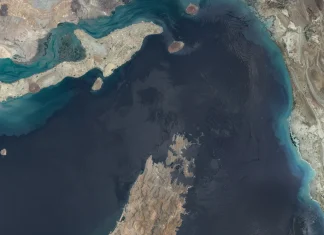
There is a particular kind of hush that falls over a city when the news moves from background noise to life-changing script. In Tehran, the usual chorus of morning vendors and children’s footsteps faded this week into sirens and the metallic clink of rescue crews. In Dubai, a normally luminous skyline watched as planes circled and a major airport paused its heartbeat. And somewhere between, the Strait of Hormuz — a slender, strategic choke-point the width of a city’s boulevard — became the axis on which global markets tilted.
The figures are simple, but their weight is enormous: about one in five barrels of the world’s oil and liquefied natural gas passes through Hormuz. When that artery falters, the pain is felt from petrol pumps in Lagos to heating bills in Stockholm, and in the ledgers of importers in Mumbai and Singapore.
What happened, in a human voice
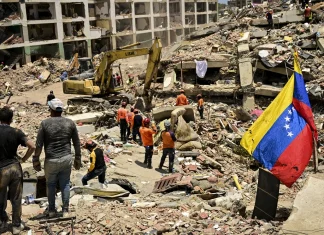
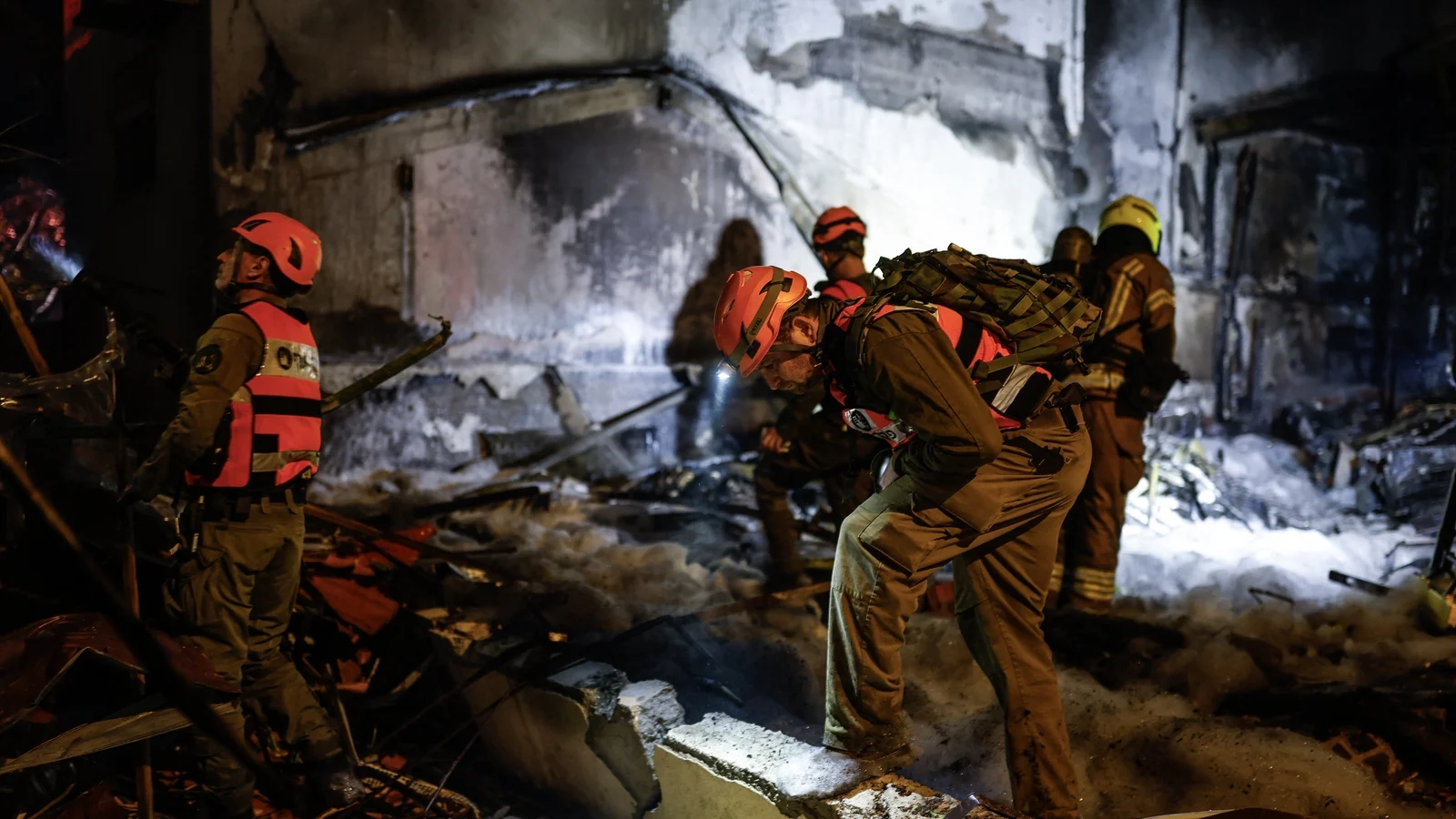
For more than two weeks now an escalating clash — described publicly as a US-Israeli campaign against Iran — has rippled across the Gulf. Airstrikes, missile and drone barrages, and targeted hits on energy infrastructure have not just redrawn military maps; they have closed ports, grounded aircraft, and left neighborhoods in Tehran with ruined apartment blocks and grieving families.
“We were asleep when the building shook,” said Leila, a nurse in Tehran who spent a night in a makeshift clinic, her voice tight. “People came in with smoke in their lungs, children who couldn’t stop crying. All anyone could do was make space, hand out tea, and hope the lights would stay on.”
Iranian forces, according to multiple regional reports, have deployed drones and naval mines in the strait, effectively limiting the flow of tankers. In turn, the United States and Israel have continued strikes on what they call “regime infrastructure,” while Tehran has launched long-range attacks and warned it will target oil and gas facilities in any country it sees as complicit.
Ports closed, runs of cargo halted
Fujairah, a port that handles significant Emirati crude exports, saw an oil facility struck on consecutive days, forcing halts in loading operations. Dubai International — a hub that shuttles hundreds of thousands of passengers a day — closed temporarily, unnervingly empty in a city built to move. In Abu Dhabi, operations at the Shah gas field were suspended after drone strikes.
“We were loading a 100,000-tonner when the call came through,” said Hassan, a dockworker who asked that his surname not be used. “There’s a fear here that you can’t convince people out of: that your job, your home, your life are just targets now.”
Friends, allies and a widening diplomatic chasm
Diplomacy, too, is under strain. The White House has publicly expressed frustration that some long-standing partners have not stepped forward to escort tankers through Hormuz. “Some are very enthusiastic about it, and some aren’t,” the president said at a recent briefing, underscoring an expectation that the security umbrella Washington often provides should be reciprocated.
Several European governments, including Germany, Spain and Italy, have been cautious. In Berlin, Chancellor Friedrich Merz reminded the public that Germany operates under constitutional limits: foreign military involvement often requires a mandate from bodies like the United Nations, the European Union, or NATO. “We lack the mandate required under the Basic Law,” his office said, framing the refusal not as ingratitude but as legal restraint.
That exchange echoes a deeper question: in a world of interlocking responsibilities, who pays the political and military price when commerce is threatened? Allies whisper about burden-sharing; publics ask why their soldiers should be sent where political cover is ambiguous.
On the ground: voices from three cities
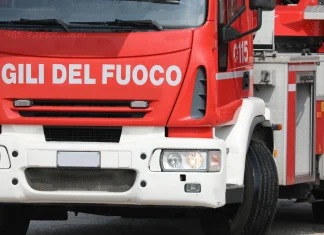
In Tehran, there is a mood of defiance undercut by exhaustion. “People bring pastries to the firefighters,” said Reza, a taxi driver who has been ferrying volunteers around the city. “We argue about politics, but when a child is missing a limb, we don’t ask who started it.”
In Fujairah, where ancient dhows still bob beside gleaming tankers, a fisherman named Salim stared at the oily sheens and said, “We have been living with the sea our whole lives. Today it looks like a highway of worry. Ships are insured at a new price. We hear about insurance and losses, but for us it is the sea we pray for.”
And in Baghdad, security officials described one of the most intense assaults yet on the US embassy compound, driven by rockets and drones. “We have never seen this kind of coordinated barrage,” an Iraqi officer said. “People are worried not just about prestige or politics, but whether their neighborhood will be next.”
Immediate consequences: the ledger of a short war
Numbers give shape to the chaos. Iranian officials have cited a death toll of at least 2,000 across the region since the campaign began — including at least 200 children, according to statements from Tehran’s foreign ministry. Markets reacted almost immediately: oil prices jumped more than 2% in early trading as traders priced in the risk of prolonged supply disruption. Asian equity markets, meanwhile, found footing after initial swoons.
The practical economic effects are not theoretical. Higher freight costs, rising insurance premiums for ships transiting the Gulf, and the possibility of tankers taking far longer routes all translate into higher prices at the pump and on grocery bills. Analysts warn that even a two- or three-month disruption can reverberate through inflation metrics already struggling in many countries.
- About 20% of global oil and LNG flows through the Strait of Hormuz.
- Oil prices rose over 2% following the latest strikes and closures.
- Reported deaths in the region now number in the low thousands, with civilians — including children — among the casualties.
Longer-term risks
Beyond immediate economics lies the broader geopolitical erosion. The reluctance of some European states to join a military escort mission highlights legal and political limits within alliances. It raises questions about the future of collective security frameworks in an era where hybrid threats — mines, drones, cyber operations — challenge traditional rules of engagement.
“The world is not going back to the simple models of the Cold War,” said a former NATO commander now in academia. “We need new rules of the road for maritime security, and they need to be set collectively, with clear legal bases and public buy-in.”
What should we ask ourselves?
As you read this, consider what stability means in a densely networked world. How much of the global commons — from sea lanes to satellite orbits — are we willing to let be decided through acts of force? And when a narrow waterway can sway markets and moods, who gets to decide the rules of transit?
There are no easy answers. There are only choices: to build new multilateral mechanisms that share burden and legitimacy, or to let ad hoc coalitions and unilateral actions become the norm, with all the volatility that brings. As the smoke clears and the tally of human costs comes into focus, those choices will be the real currency of our collective future.
For now, the Strait of Hormuz remains a place where commerce meets risk, where ordinary lives intersect with global strategy, and where the smallest moves — a mine, a drone, a diplomatic rebuke — can ripple outward to touch us all.