The Strait That Tells the World a Secret
Early in the morning, before the dhow nets were hauled in and the coffee stands in Muscat began to steam, fishermen along the rocky Omani coast said the sea felt different — a quiet with the tautness of a string about to snap. “You could see it in the faces of the crew,” said Ahmed al-Harthy, a 56-year-old captain who has plied these waters for three decades. “They watch the horizon like it might move.” What he and many others now watch is the Strait of Hormuz, a narrow artery that hums with the energy of the global economy and, these past weeks, echoes with the thud of explosions.
Why One Waterway Can Upend the World
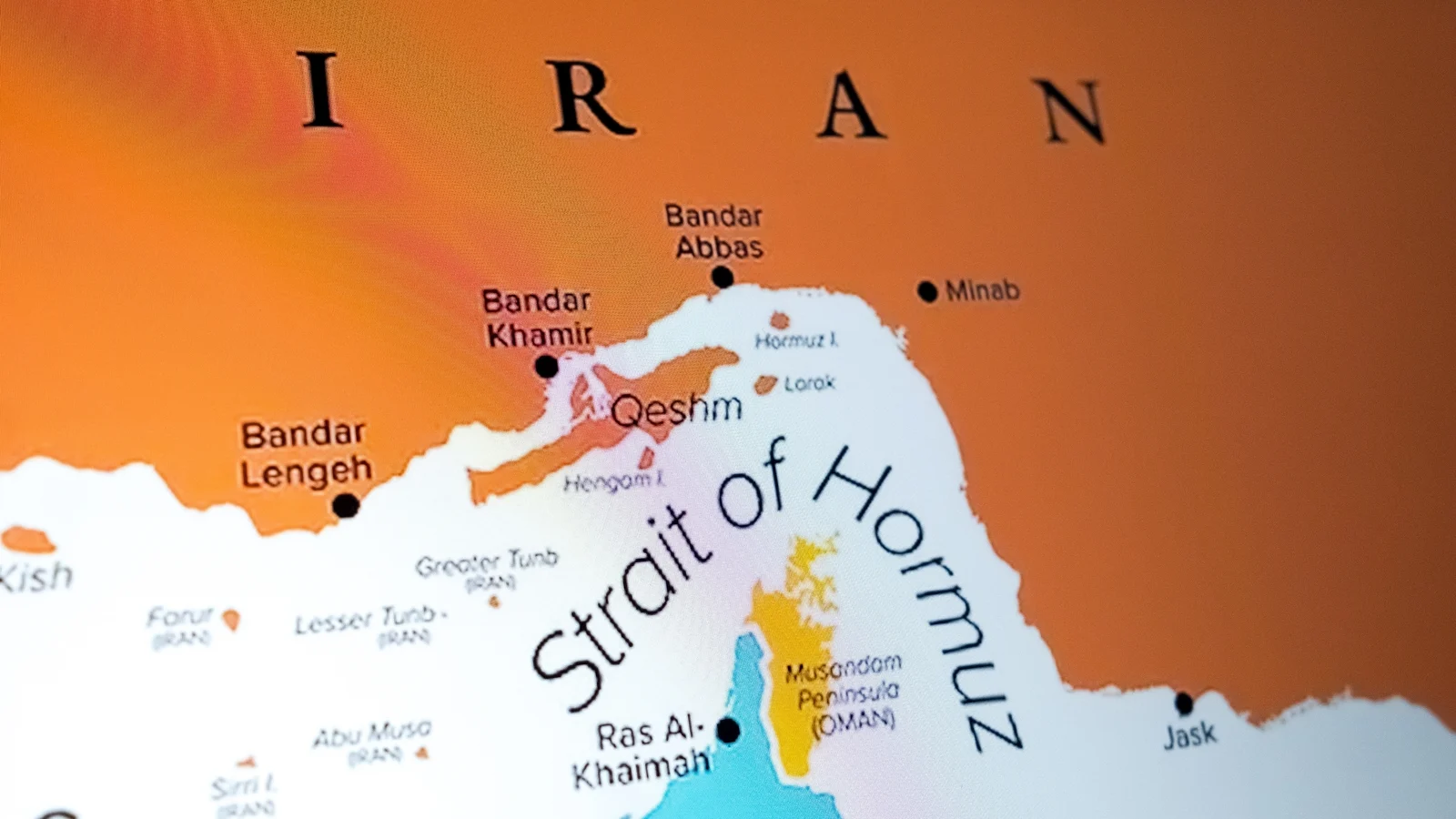
Imagine a choke point so crucial that a ripple there becomes a storm in markets thousands of miles away. The Strait of Hormuz normally funnels roughly one-fifth of the world’s seaborne oil and liquefied natural gas — millions of barrels a day — through a stretch of water little wider than a Swiss valley. “If traffic slows here, the impact is immediate and brutal,” said Dr. Miriam Clarke, a maritime security analyst in London. “Shipping costs, insurance premiums, energy bills — they all feel it within days.”
From Routine Voyages to Reports of Attack
Since the outbreak of hostilities between the US-Israel coalition and Iran on 28 February, the waterway has been punctured by a series of violent incidents. For sailors and port workers who once took the route for granted, the timeline reads like a grim roll-call: projectiles, fires, evacuated crews, and at least two confirmed fatalities. The United Kingdom Maritime Trade Operations (UKMTO), Omani maritime authorities and port officials in the Gulf have been issuing near-daily alerts, mapping a new geography of danger.
1 March — A Deadly Strike and a String of Fires
The month opened with a shock. The MKD VYOM, a Marshall Islands-flagged crude tanker, was hit by a projectile off the Omani coast — about 50 nautical miles north of Muscat — and a crew member lost their life, managers at V Ships confirmed. “We’re devastated,” said a company spokesman. “This is not an abstract statistic; these are people who left home.”
On the same day, the Hercules Star, an oil bunkering tanker flying Gibraltar’s flag, took a hit northwest of Ras Al Khaimah and caught fire; the blaze was later extinguished. Another Palau-flagged tanker, including the US-sanctioned Skylight, reported damage in the narrowest slices of the Strait near Kumzar; its crew were evacuated. Reports came in like a staccato drumbeat — each message meaning another vessel’s engines had shuddered to silence, another dock faced delays, and another family awaited news.
2–4 March — Ports Under Fire
On 2 March, the Stena Imperative, a US-flagged products tanker, was struck twice while in Bahrain harbor. The crew evacuated as flames licked at the deck. Three days later, the container ship Safeen Prestige, flagged in Malta, suffered a hit near the top of the Strait and caught fire in its engine room; crew members abandoned ship. “I have never seen so many empty moorings in my life,” said Leila Hassan, who runs a small shipping agency in Fujairah. “Normally the port is a forest of cranes and stacked containers. That day, it was a ghost lane.”
5–7 March — Explosive Craft and Drone Warnings
By 5 March the attacks had grown more varied. The Sonangol Namibe, a crude tanker at anchor near Iraq’s Khor al Zubair, suffered a blast thought to have come from an Iranian remote-controlled explosive boat. Two Iraqi port security sources later said the damage matched that profile. A tugboat assisting the damaged Safeen Prestige was hit on 6 March, and on 7 March authorities flagged a possible drone strike north of Jubail in Saudi waters — the majority of that vessel’s crew evacuated.
11 March — Fires, Hull Damage, and Ports Closed
11 March brought a cluster of incidents: the Thailand-flagged Mayuree Naree saw a projectile hit spark a fire and forced an evacuation in the Strait. Japan’s One Majesty and the Marshall Islands-flagged Star Gwyneth both suffered varying degrees of damage off the UAE coast. Perhaps most consequential was the attack on tankers near Iraq that prompted Iraq’s oil ports to halt operations entirely. One port security official told state media that a foreign crew member’s body had been recovered from the water — a grim reminder that these disruptions carry real human cost.
17 March — Ripples East of Fujairah
Later in the month, a Kuwait-flagged liquefied petroleum tanker, Gas Al Ahmadiah, reported minor structural damage after a projectile struck while it was at anchor east of Fujairah. Maritime security sources described the incident as another signal: nowhere in this corridor is truly safe.
Voices from the Decks and the Docks
“We are trained for storms and rough seas,” said Captain Elena Moroz, who recently sailed a container vessel through the Gulf. “We are not trained for being shot at. The rules of the sea assume civility.” For many sailors — from Filipino engine-room hands to Indian deck cadets and Ukrainian officers — the job is the only livelihood their families know. “My son calls every night,” said Ramesh, a chief mechanic who asked to use his first name only. “He asks if I am coming home. I do not always have an answer.”
Beyond the Headlines: What This Means Globally
When ships are deterred from a chokepoint, the consequences are measurable. Trading houses recalibrate risk, oil traders reprice barrels, and insurers ramp up premiums on vessels transiting the Gulf. Shipping companies have already begun rerouting more vessels around the longer and costlier Cape of Good Hope, adding days — sometimes weeks — to voyages. “Every mile added is fuel burned and emissions produced,” noted Dr. Clarke. “There is an environmental dimension to these disruptions that rarely makes headlines.”
Local Color: Markets, Mosques, and Marketplaces on Edge
In Ras Al Khaimah, the scent of cardamom and grilled fish hangs over the fish market, but vendors now check maritime alerts between customers. In Muscat’s Mutrah corniche, elderly fishermen sit with thermoses of tea and a radio tuned to updates, trading grim wry jokes about how the sea had become a newswire. Ports that had once signaled arrival with the clanking of chains and the hiss of forklifts now tacked on soldiers’ patrols and the soft thump of helicopters overhead.
Questions for the Reader — and for Policy Makers
What should a global community do when a single strait becomes a pressure point for wider conflict? Do we accept longer supply chains, higher prices and more pollution as the cost of geopolitical brinkmanship — or do we invest in new routes, diplomacy and protection of the seafarers who keep our world moving? “There are no easy fixes,” said Dr. Jamal al-Khatib, a regional security expert in Beirut. “But ignoring the human dimension — the crew, dockworkers, and local port communities — makes any solution hollow.”
Where We Go From Here
The incidents catalogued in recent weeks are more than a tally of damaged hulls and lost cargo; they are a warning about fragility. Every fired projectile, every evacuated crew, widens the list of people who will carry the cost. On quiet mornings, when fishermen gaze out at a sea they can no longer take for granted, the question becomes intimate: how do we balance security, commerce and humanity in an age where a narrow channel can redirect the fate of nations?
Quick Reference: Incidents Since 28 February
- 1 March — MKD VYOM hit off Oman (one crew killed); Hercules Star struck near Ras Al Khaimah; Palau-flagged tanker attacked near Kumzar (Skylight crew evacuated).
- 2 March — Stena Imperative hit in Bahrain port (fire; crew evacuated).
- 3 March — Minor damage to Libra Trader and Gold Oak off Fujairah.
- 4 March — Safeen Prestige damaged near the Strait; engine-room fire; crew abandoned ship.
- 5 March — Sonangol Namibe hit near Khor al Zubair (possible explosive boat).
- 6 March — Tugboat hit near Oman while assisting Safeen Prestige.
- 7 March — Possible drone attack north of Jubail; crew largely evacuated.
- 11 March — Mayuree Naree hit and evacuated; One Majesty and Star Gwyneth sustained damage; attacks near Iraq forced oil ports to halt operations; a foreign crew member recovered from the water.
- 17 March — Kuwait-flagged Gas Al Ahmadiah struck east of Fujairah; minor damage reported.
These waters will continue to tell their story. We can listen and act — for seafarers, for fragile economies, and for the quiet fishing towns whose lives are threaded to a strait that suddenly matters to us all.