A sudden cut at the pumps: Spain reaches into its fiscal toolbox
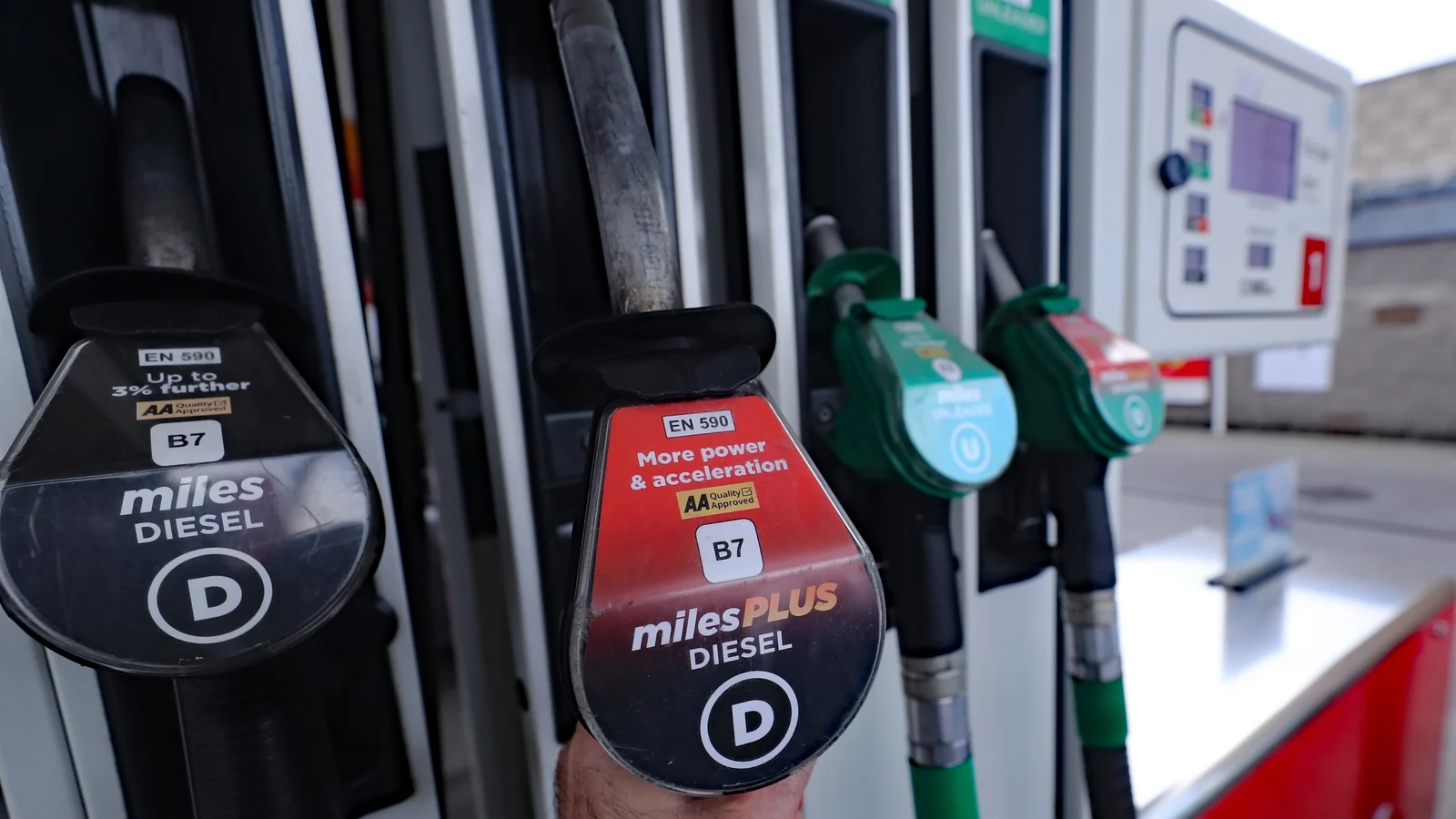
On a damp Tuesday morning in Madrid a small crowd gathered beneath the electronic price board of a roadside petrol station, eyes fixed on the numbers as if witnessing a tiny miracle. The 1.82 figure for diesel flickered, then steadied — and for many it already felt like a small reprieve. Across the country, drivers, delivery riders and farmers parsed the headlines: Madrid would slash the value-added tax on fuel and pause some duties to blunt the expected pain from the war in the Middle East.
“It’s not a cure-all, but it’s wood for the fire right now,” said Luis Salazar, a long-haul trucker who makes a living on Spain’s arteries between Seville and Barcelona. He wiped rain from his jacket with a practiced hand and added, “When fuel jumps, everything else jumps with it. Bread, milk, building materials — the cost gets baked into everything.”
What Madrid is doing — and why
The measures unveiled by the government will do three things in the near term: cut the standard VAT on fuel from 21% to 10%, suspend the excise duty on hydrocarbons, and remove a 5% levy on electricity consumption. Taken together, officials and market commentators say the steps should shave roughly €0.30–€0.40 off the price of each litre of petrol and diesel at the pump — an immediate, tangible reduction for people who still rely on cars to get to work, haul goods or run small businesses.
A government spokesperson declined to speak ahead of a midday press briefing, a hint of the tight choreography in a decision that in some corners is being described as emergency economic triage. When ministers did appear, they framed the package as a first wave of help: temporary, targeted, and accompanied by support for the sectors most exposed to the upheaval.
“We must protect families and companies from an external shock that is not of our making,” one cabinet minister told reporters. “But we are also thinking about fairness and how to shield those most vulnerable.”
How much will this actually help?
On the surface the math is simple: if fuel prices spike because of disruptions in global energy supplies, lowering consumption taxes and duties reduces the pain at the pump. Markets have been jittery — many forecasters expect eurozone inflation to climb toward 4% over the next year before the European Central Bank’s 2% target slowly becomes plausible again. In that environment, quick fiscal measures are a common response across Europe.
Italy, for example, recently chopped excise duties by €0.25 per litre, and Germany is reportedly weighing a package that could include levies on energy firms’ excess profits. Spain’s move slots into a familiar pattern: governments balancing short-term relief against the longer-term fiscal and climate consequences of subsidising fossil fuel use.
Voices from the street and the think tank
Maria Torres runs a tapas bar near the Retiro Park. “If my suppliers raise prices again, I can’t just pass that on to customers,” she said. “People already cut luxuries. For us, fuel is indirect — it’s about food deliveries and the bread van. This helps, but I hope it’s coupled with targeted support for small business.”
Not everyone sees the policy as equitable. “The nuts and bolts of the plan mostly ease costs for private car owners,” observed Antonio González, an economist who studies distributional impacts of fiscal policy. “Those are often the better-off households. If you want to help lower-income families, direct transfers or vouchers for public transport could be more effective.”
A transport union leader in Valencia, asking not to be named, argued similarly: “Fuel cuts are welcome, but we need more investment in buses and trains. People without cars don’t see the same benefits.”
Spain’s somewhat greener cushion
There is another angle often overlooked in the rush of headlines: Spain’s electricity system has so far been less bruised than many neighbours’. A wet winter and spring filled hydropower reservoirs, and strong output from wind farms and new solar parks has kept wholesale electricity prices relatively low compared with much of Europe.
“Solar and wind have been a buffer,” said Dr. Elena Ruiz, an energy analyst at a Madrid think tank. “Nuclear still supplies a base load, too. That diversity means Spain doesn’t depend on gas imports as heavily as some other EU states, so the link between oil shocks and household electricity bills is weaker here.”
This advantage has been hard-earned. In recent years Spain has become one of Europe’s leaders in wind and solar capacity, pushing past older coal-fired plants and reconfiguring its grid to accept a lot more intermittent generation. The result: fewer painful spikes when gas prices surge elsewhere.
Local color: how the energy landscape looks on the ground
Drive south from Madrid and the landscape changes. Solar panels punctuate the plains outside Ciudad Real like a modern crop. Wind turbines march across the sierras as if keeping watch. In Galicia, reservoirs brim with water that once would have been hoped for by cattle and corn; now that water feeds turbines, keeps homes warm, and, this year at least, keeps bills quieter than in other capitals.
“We’ve always had to scheme around the seasons,” said Pilar Mendes, a beekeeper in the Castilla-La Mancha region. “But these new farms and panels mean the village gets work and the power stays on. That matters when everything gets expensive.”
Trade-offs and the bigger picture
Cutting taxes on fuel is politically expedient and can blunt a short-term cost-of-living squeeze, but it also risks complicating Spain’s climate commitments. Subsidising petrol and diesel runs counter to incentives to decarbonise transport and expand affordable public transit. It raises a familiar question: when crisis meets climate, which priority wins?
“This is a tension we’ll see play out in capitals across Europe,” Dr. Ruiz said. “You can’t ignore skyrocketing energy costs — but you also can’t keep patching over the problem with measures that extend fossil-fuel demand.”
There are practical questions, too: How long will the tax suspensions last? Will the savings at the pump be passed fully to consumers, or will some be absorbed by companies? Will the state make up lost revenues, and if so how?
Where does this leave ordinary people?
Back at the petrol station a mother of two, Marta, filled her compact car and calculated. “Saving thirty cents on a litre for me is the difference between a week’s groceries and two,” she said. “It’s not perfect, but right now it matters.”
Others voiced a more philosophical worry. “We can’t keep doing emergency fixes,” Luis the trucker said, starting his engine. “What we need is a plan that makes our economy resilient — cheaper energy, better trains, less exposure to oil wars. That’s what will keep things steady for everyone.”
Questions to carry forward
As Madrid moves to shield households from the immediate fallout of a distant conflict, readers might ask: Is a temporary tax cut the best use of public funds? How do you balance rapid relief with the long-game of decarbonisation? And finally, what kind of social compact do we want when crises arrive — one that helps everyone, or one that mainly eases the burden for those with cars and bank accounts?
Spain’s policy shift is a practical reminder that energy isn’t just about kilowatt-hours and barrels. It’s about kitchens and commutes, about regional weather and global geopolitics, about the choices societies make when the ground shakes. For now, drivers will notice cheaper trips to the supermarket, small businesses will breathe a little easier, and politicians will count the political points. But the conversation that matters is deeper: how to build an economy that weathers shocks without always returning to the same old fuel tank.