Ice at the Gate: When Border Agents Replace Screeners and Airports Become a Political Front
At dawn on a gray weekday, a string of clear-eyed travelers snapped photos of a line that crawled like a tired river through Terminal B. Children grew restless. A businessman checked his watch and sighed. A grandmother, wrapped in a shawl, smiled and tried to keep the mood light: “We have time for coffee and people-watching,” she joked, but her eyes told another story.
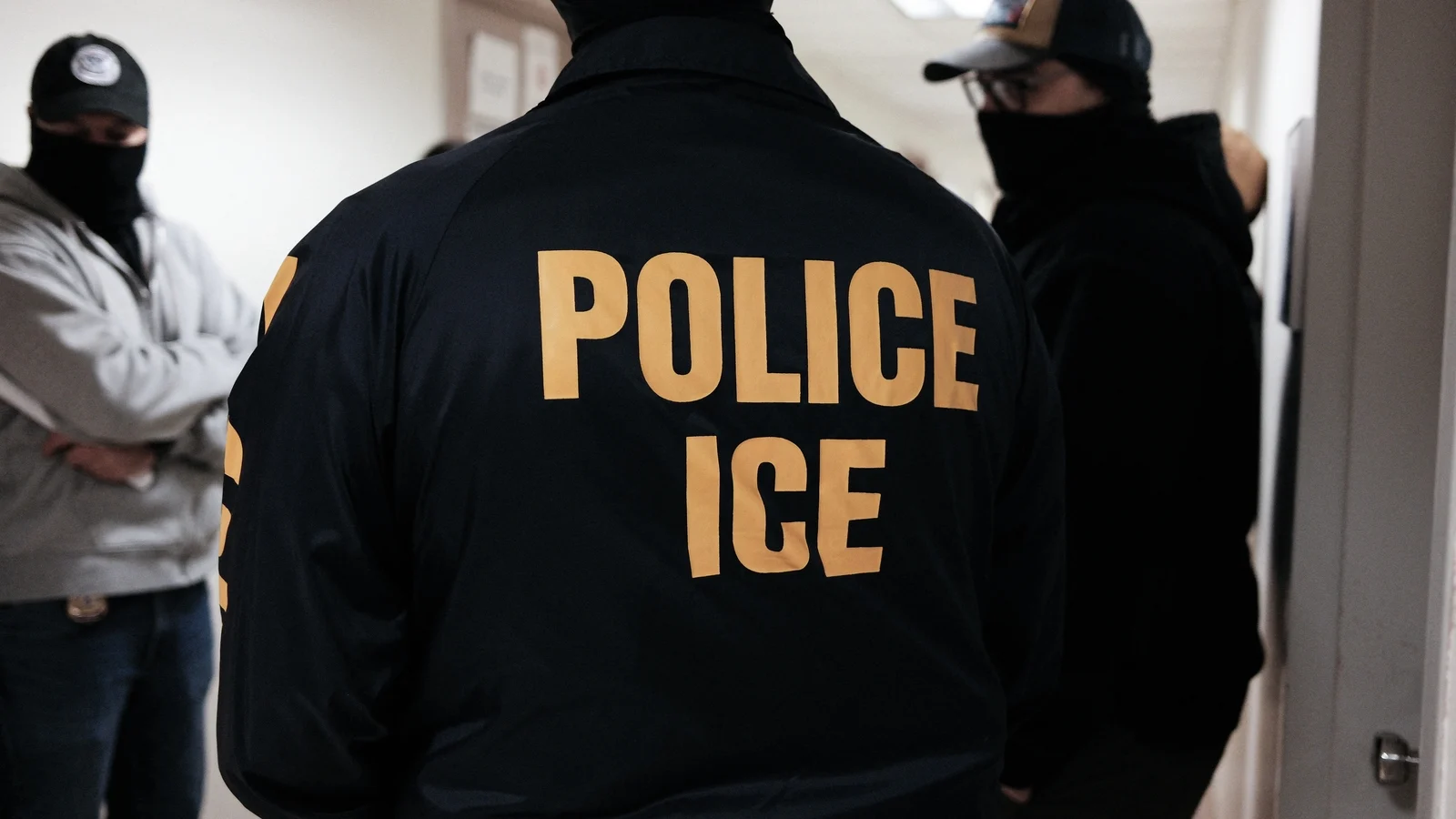
Then, as if from a different playbook, a social media post from the White House landed and the narrative changed. President Donald Trump announced that Immigration and Customs Enforcement (ICE) officers would be redeployed to U.S. airports beginning the next day, a move designed to relieve crushing security-screening congestion that has built up amid a weeks-long budget standoff.
It was a decision equal parts improvisation and political theater. Within hours, officials were scrambling to draft orders and draw lines about what ICE would—and would not—do in airports. Tom Homan, a senior border aide, went on television to shore up expectations: ICE agents would “help where we can provide extra security,” he said, but “I don’t see an ICE agent looking at an x-ray machine, because you’re not trained in that.” His message was clear: they would monitor exits and bolster visible presence, not perform technical TSA duties.
The human center of a budget fight
What looks like a personnel shuffle on paper has a very human center: thousands of TSA screeners have been working without pay since the Department of Homeland Security’s funding lapsed on February 14. Long hours, unpaid labor and the strain of a politicized standoff have taken a toll.
“We’re exhausted. We’re showing up because we love this job, but you can only do that for so long,” said a TSA officer at Atlanta’s Hartsfield-Jackson who asked to remain anonymous. “Some colleagues have quit. Some are taking second jobs. Others are living off food pantries at the airport.”
The Department of Homeland Security reports that more than 300 TSA employees have resigned since the shutdown began, and unscheduled absences have reportedly doubled at some airports. Lines have stretched into hours at major hubs; travelers have missed flights they could ill afford to lose.
Union representatives and regular officers have described makeshift responses: airports collecting gift cards, stocking break-room shelves with donated food, managers reassigning staff on the fly. In one small, telling moment, a group of volunteers started handing out coffee to exhausted screeners. “It’s a village trying to keep the village running,” a local volunteer said quietly.
Operational friction and legal questions
Bringing ICE into airports raises immediate logistical and legal questions. ICE agents’ duties center on immigration enforcement, detentions and removals—not the technicalities of screener training. Homan was explicit about that distinction, and Transportation Secretary Sean Duffy echoed concerns about the widening problem: “As it gets worse, I think that puts pressure on the Congress to come to a resolution,” he said, warning that wait times could deteriorate further.
Legal experts say the move also blurs lines of authority inside the Department of Homeland Security. ICE operates under a different mission than the Transportation Security Administration, and mixing roles could create confusion about authority, chain of command and passengers’ civil rights.
“You can’t solve a personnel shortage by moving bodies around without considering training, scope of duty and potential liability,” said an aviation security analyst who has worked in DHS in the past. “Visible presence can reassure travelers, but the moment you cross into enforcement activities without clear protocols, you risk intimidation and legal exposure.”
Voices on the ground
At a checkpoint in Chicago, a young mother wrangled a stroller and quizzed the officer about whether ICE would be checking IDs at the gate. “We don’t want to be separated from our kids,” she said, her voice trembling. “This is where we should feel safe.”
A retired Delta pilot passing through muttered, “I don’t like politics in my cockpit.” He tapped his boarding pass and added, “The real problem is Congress. This is a symptom, not the disease.”
Meanwhile, an ICE supervisor preparing for redeployment emphasized restraint. “We’re here to assist, not to intimidate,” he told a reporter, declining to give his name. “Our instructions are clear: help reduce bottlenecks, monitor exits, be a calming presence.”
What the lawmakers want—and what they demand
The backdrop to this operational reshuffle is a fierce political impasse in Congress. Democrats have pressed for changes to immigration enforcement practices—calling for curtailed patrols, limits on face-coverings for enforcement agents, and a requirement that ICE obtain judicial warrants before entering private property. They argue these reforms are necessary to protect civil liberties and ensure accountability.
- Democrats’ demands include curtailed ICE patrols.
- They have pushed for a ban on face masks for agents in certain circumstances.
- They seek a requirement that ICE obtain judicial warrants to enter private property.
Proponents of the redeployment say the measure is temporary and focused on meeting immediate security needs. Opponents warn that it risks turning airports into another theater for immigration enforcement, intimidating travelers and conflating public-safety jobs with immigration control.
Why this matters beyond the terminal
Look up from the passport scanner and you’ll see bigger trends: the politicization of public safety, the fragility of essential services when budget deadlines are missed, and the human cost borne by low-paid public-sector workers. Around the world, governments are grappling with similar problems—how to fund, staff and sustain services that citizens depend on daily.
In many ways, airports are a crossroads not only of people but of policy choices. Do we treat immigration enforcement and passenger screening as distinct public goods, each requiring specialized training and a steady budget? Or do we accept ad hoc fixes that might work in the short term but leave long-term problems unfixed?
“This is a test of our institutions,” said a civil liberties lawyer watching the situation. “If essential services waver at the first sign of political gridlock, people lose faith—and that has ripple effects for democracy.”
What travelers and workers can expect next
Officials say plans will be finalized quickly and executed as soon as the following day. In the meantime, passengers are urged to arrive early and pack patience. Airport officials are racing to stabilize staffing and preserve the quiet order that makes flying possible.
But speed is not a cure for the core problem. If a government can’t keep its people paid or its agencies properly resourced, patchwork solutions will recur. The question for lawmakers, then, is not merely how to clear lines at security checkpoints today but how to fortify the systems that serve the traveling public for the long haul.
What would you do if you were in charge of an airport facing this mix of politics and personnel shortages? Would you welcome a stronger uniformed presence, even if it’s from an agency with a different mission? Or would you insist that trained screeners be the ones to manage passenger flow? How we answer reflects not only our preferences for convenience, but our values about safety, privacy and what we expect from public institutions.
For now, travelers shuffle forward. Phones record, volunteers share coffee, and workers—paid or not—carry the weight of an unfolding political drama. The gates remain open, but the debate over who should stand watch is only just beginning.