When Aid Sails Into Silence: A Night on the Water and a Search That Crosses Oceans
They left Isla Mujeres at dawn under a sky the color of washed denim, the tiny port alive with the clatter of crates and the low murmur of people doing what humans do when they refuse to stand by: they gather, they pack, they send help.
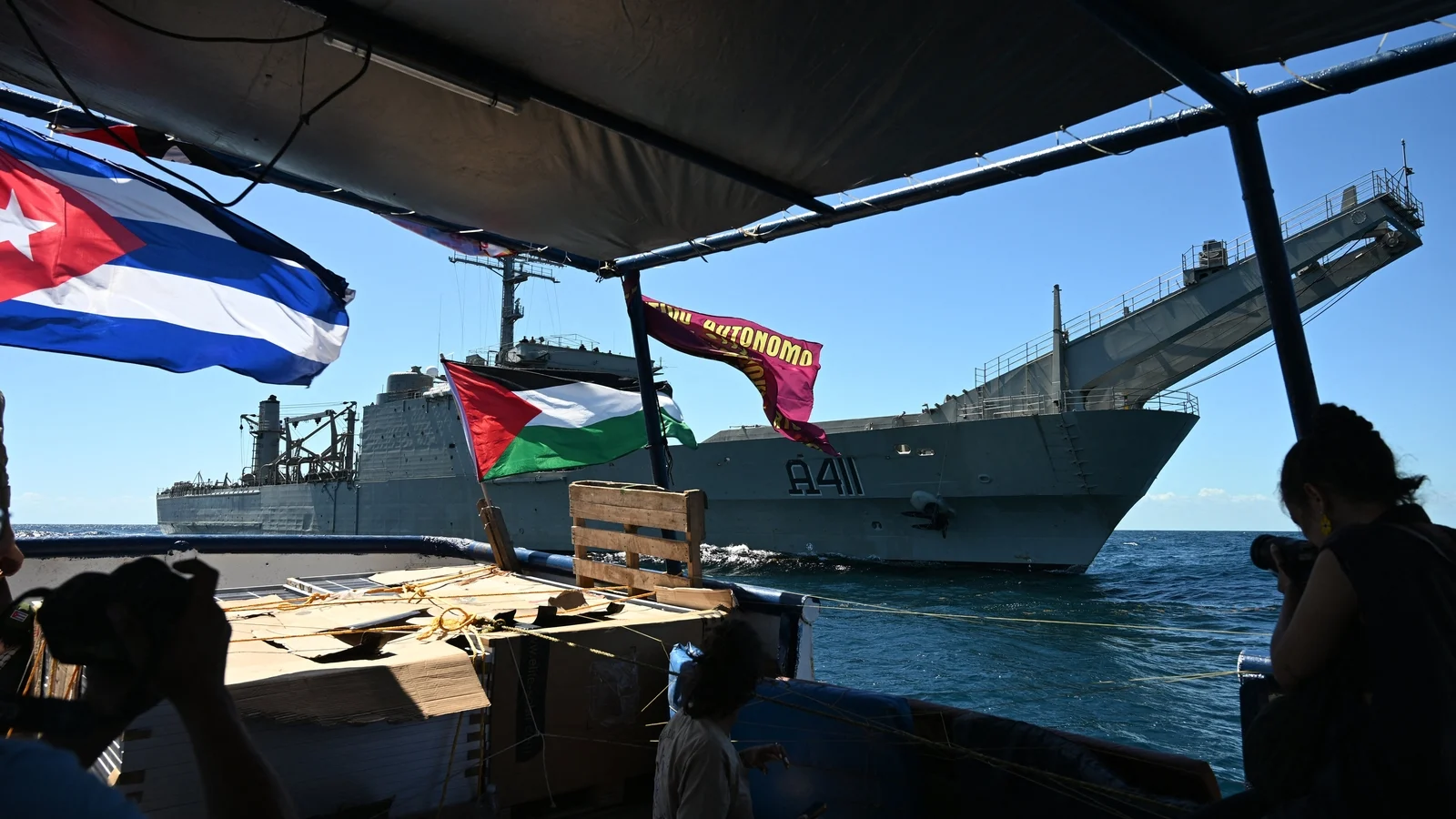
The boats—two modest sailboats bound for Havana—were piled with cardboard boxes and plastic sacks: rice, beans, baby formula, medicine, baby wipes, and small energy-related supplies meant to relieve the daily pinch of blackouts on an island nation that has been stretched thin for years. Volunteers kissed cheeks and wiped foreheads. Mothers pressed envelopes into sailors’ hands. A mariachi from the mainland turned up to wish them luck, half in prayer, half in song.
“We packed everything by hand. I sewed some of the bundles myself,” said Carmen López, a retired nurse from Cancún who had spent three evenings stuffing sanitary napkins and antibiotic creams into waterproof sacks. “I couldn’t do much. But I could make sure a baby in Havana doesn’t go to sleep hungry tonight.”
The plan, and the uncertainty
The plan was straightforward, almost stubbornly simple: sail across the Yucatán Channel and deliver a load of humanitarian aid to ports in Cuba where rolling power cuts and shortages have become a daily reality for millions. The convoy—called “Nuestra América Convoy”—is a grassroots initiative. Local fishing families, retired sailors, and civic groups pooled resources, time and weary hands to fill the holds.
Two of the convoy’s boats left Isla Mujeres last week with nine crew members of different nationalities aboard. Another vessel from the same flotilla made it to Havana earlier this week, a relieved message that felt like a balm for anxious families. But the two sailboats that should have been arriving between March 24 and 25 vanished from radio contact. No signals, no check-ins, no arrival confirmations. The Mexican navy announced a search-and-rescue operation.
“We activated our maritime search protocols as soon as the scheduled windows passed and no communications were received,” said Captain Javier Morales from the Mexican Navy. “The safety of crew members at sea is our first priority. We are coordinating with international partners and scanning the routes those vessels typically take.”
A sea of logistics and international calls
The navy’s response is methodical. Coordinating with maritime rescue centers abroad—including contact points in France, Poland, Cuba and the United States—and reaching out to diplomatic representatives of the crew members’ countries of origin, the authorities widened the net. Patrol boats combed the water. Satellites and coastal radars were queried. On shore, relatives paced and volunteers prayed.
“We have experienced skippers,” said Lucía Herrera, a spokesperson for the convoy. “Both boats were equipped with safety gear and signaling devices. They are capable sailors. We are cooperating fully with the navy and with international rescue centers and we trust the crews’ skills.”
Why small convoys are sailing toward big geopolitical storms
To understand why ordinary people in Mexico would charter sailboats for Cuba, you need to step into a Havana neighborhood at dusk. Lights flicker. Clinics run generators. Parents ration formula. Cuba has been coping with prolonged energy shortages for several years, and the strain only deepened as the island grappled with currency squeezes, reduced imports, and the long shadow of a U.S. embargo that has been in place for decades and periodically tightened in its enforcement.
Today Cuba is home to about 11.3 million people. Many communities report multi-hour daily outages that affect hospitals, water treatment, and refrigeration—basic systems that most of us take for granted. For people on the ground, the math is brutal: refrigerated medicine that spoils, a newborn formula rationed, clinics that rely on diesel generators that are expensive and intermittent.
“When the lights go out, the reality becomes raw,” said Dr. Ana González, an expert in humanitarian logistics at the University of Veracruz. “These grassroots convoys are more than symbolic gestures. They are filling immediate gaps—grocery staples, pediatric supplies, basic medications. But they are risky and ad hoc; they were never intended to substitute for structured humanitarian channels.”
Solidarity at sea—what it looks and feels like
Isla Mujeres in spring offers contradictions: the tourist facade—gift shops and beachfront bars—overlay a stubborn community life built on fishing, family, and festivals. Local fisherman speak the language of the water: the tug of current, the whisper of a storm, the way an engine coughs at night. It is these fishermen who have laden pangas and sailboats with help and who know how to read the horizon.
“My father sailed this same route in 1989,” said Miguel, a twenty-eight-year-old crewman who asked that only his first name appear. “I don’t know if we are braver or just more desperate. We have friends and family in Cuba. We want them to survive. If the government channels are blocked or slow, who else will move the boxes?”
Risks, rules, and the ethics of private aid
There is a practical and legal tangle to these missions. Private convoys must navigate maritime safety regulations, customs laws, and sometimes political friction. Rescue operations become more complicated when small, privately organized boats are at sea without formal authorization or coordination plans. That is why, when communication fails, national authorities move quickly—search and rescue is impartial and immediate.
“You can admire the moral courage behind these efforts while still worrying about the protocol,” Dr. González said. “Seas can be unforgiving. Weather, mechanical trouble, or human error can transform a goodwill mission into a tragedy.”
Faces on the shore and questions for us all
On the jetty, relatives huddled with phones pressed to ears, scrolling social feeds for any sign. A grandmother traced the outline of her granddaughter’s face on a photo she kept in her breast pocket. A volunteer stared at the horizon until the sun bled into the ocean. The ever-present question—“Will they come home?”—sounded less like a line in a news story and more like a prayer.
This moment asks deeper questions: When governments stall, do civic networks step in and, if so, what safeguards are necessary? How should the international community reconcile political disputes with urgent human needs? And on a quieter level—what does solidarity look like in an era when aid can be mailed, banked, sanctioned, and blocked?
“We didn’t go because it was fashionable,” said Herrera, the convoy representative. “We went because people are hungry and because we could. But we also understand the weight of responsibility. We want safe corridors, not dangerous adventures.”
Where this leaves us
Search vessels continue to scan the rolling blue between Isla Mujeres and Havana. Families wait. Volunteers tally donations. Policymakers talk about regulations. For a brief stretch of ocean, the human story—of courage, worry, and stubborn mutual aid—refuses to be reduced to a headline.
So I ask you, reader: if a neighbor is in need and the formal routes falter, what should civic courage look like? How can compassion be organized without courting catastrophe? These are not abstract questions. They are the coming weather for communities around the world when politics and need collide at the edge of the sea.
Meanwhile, as this search continues, a woman in Havana checks the light bulb over her eldest child’s bed and counts the hours until a radio might crackle with news. Somewhere in Isla Mujeres, a man leans against his boat and stares into the same dark, believing—against all odds—that help, like hope, will find a way.