When War Registers in the Everyday: Iran’s Toll and the Fragile Threads of a Global Crisis
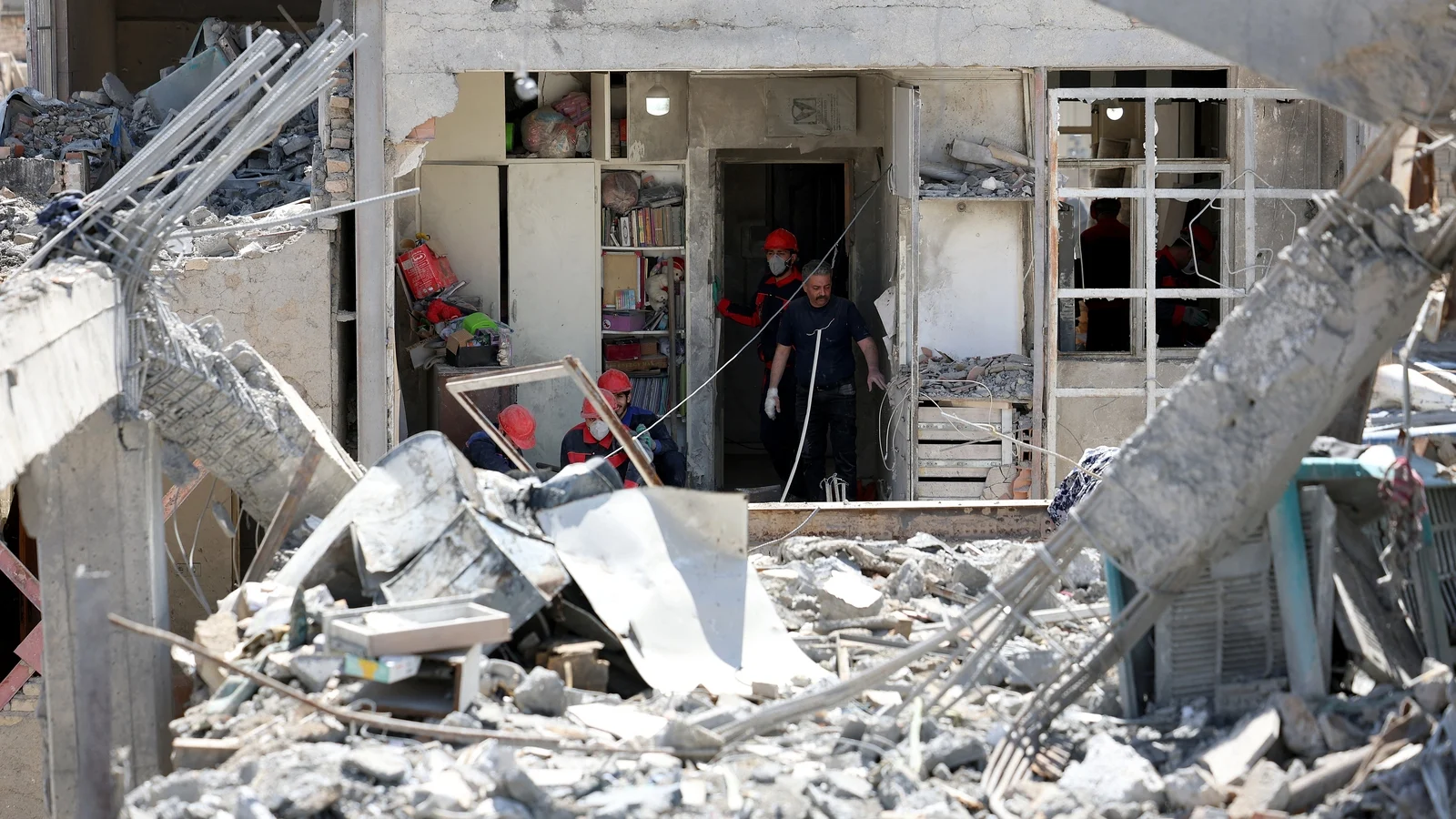
The numbers landed like falling masonry: more than 1,900 dead in Iran since the war began, the Red Cross reported. Cold digits, at first—an accounting of loss—but they unfold into lives, neighborhoods, markets and kitchens. They become the geometry of grief across a country whose ordinary rhythms have been interrupted, often without warning.
Walk through any Iranian city now and you feel the tension braided into the air. The sirens, the long lines for staples, the quiet of workplaces running at half tilt—not all of that can be measured by a single agency. Yet the International Committee of the Red Cross’ tally is a blunt, urgent reminder that this is not an abstract geopolitical chess match; it’s a crisis with a human heartbeat.
What’s happening on the ground
“We have emergency responders who can quote the time of every call,” said a Red Cross official who has been coordinating relief convoys at Iran’s borders. “They remember the names. They remember how many parents waited at hospital doors. Numbers tell you the scale, but not the smell of smoke in the corridors, the sound of children waking to chaos.”
Hospitals in provincial towns are strained. Medical staff speak of shortages in everything from basic sutures to anaesthetics. A surgeon in Kermanshah, who asked to be identified only as Dr. Rahimi for safety, described the pattern of casualties: “We see clusters after strikes—families from neighboring villages arriving together, some only partially dressed. We stitch what we can, but the follow-up care is inconsistent. That’s what breaks you.”
Energy infrastructure has been a particularly vulnerable target. In recent days, officials said there would be a ten-day pause in attacks on Iranian energy plants—an announcement that brought a rare, tenuous sense of relief for workers who keep lights on and pumps running. Whether that pause will hold, and under what conditions, remains in question. In the interim, electricians and refinery workers continue to operate with a mix of fear and duty.
Strait of Hormuz: The choke point of a fragile world
Beyond domestic damage, the conflict has strained the arteries of global trade. The Strait of Hormuz—narrow, strategic, and deep with tankers—carries roughly one-fifth of the world’s seaborne oil. Even a short disruption there ripples outward, from gas stations in Europe to manufacturing floors in Asia. That precariousness is why delegations are now moving across capitals and conference rooms, trying to stitch together a plan to keep the waterway open.
“Every captain who’s ever navigated Hormuz knows how thin the margin is,” said a maritime security analyst in London. “This is not just about military posturing; it’s about the cargo that feeds economies and heats homes.”
Voices from the street
In the bazaar of Shiraz, an elderly carpet merchant named Hossein runs his hand over a faded rug and speaks in a voice equal parts defiance and exhaustion. “We are used to hardship. But not like this. People used to meet for tea and talk about weather and harvests. Now they ask, ‘Will there be power tonight?’”
A high-school teacher in Isfahan, Maryam, set aside her mask of pragmatism to share the long view. “I tell my students to hold on to curiosity,” she said. “We must teach them to read maps and history, yes—but also to imagine lives beyond headlines. They will inherit what we do now.”
And then there are those who have become accidental chroniclers: volunteers delivering food to the displaced. “You see grandparents teaching children to skip stones,” said Ali, a volunteer from Mashhad. “Small gestures keep people human.”
The diplomatic hustle: who’s in the room?
In the diplomatic corridors of Paris and beyond, envoys and ministers are working alongside naval planners and humanitarian agencies. A senior U.S. envoy in Paris emphasized the need for an international coalition to secure seaways without escalating conflict, while also underscoring support for diplomatic openings that could protect civilians.
Others argue that the international community is too fragmented to act with speed. “Coalitions form and fray based on short-term interests,” said a foreign policy scholar. “Energy markets react before political consensus does. The result is often stop-gap measures rather than durable solutions.”
Why energy security matters beyond oil markets
Consider this: when a major refinery is knocked offline, it’s not only barrels of crude that are affected. Petrochemical plants slow, plastic feedstocks become scarce, and hospitals and schools—already struggling—face unpredictable shortages. In short, energy disruptions amplify social strain. That’s why global leaders—even those far from the region—should pay attention.
- Approximately 20% of seaborne oil passes through the Strait of Hormuz.
- Interruptions in supply can trigger immediate price spikes in global markets, affecting consumers worldwide.
- Local economies in Iran—reliant on refined products for transportation and agriculture—face compounded shocks.
Patterns and consequences: a broader view
We’re watching something both old and new: old because conflicts have always inflicted civilian suffering; new because modern economies are tightly coupled. A power outage in a provincial town can now cascade into international markets, social media narratives, and refugee flows across borders.
“We are living in an era of instantaneous connection and delayed empathy,” observed a sociologist who studies wartime societies. “People see images in real time, but meaningful support—policy, funding, protection—often comes too late.”
This offers a hard question to readers: how do we balance immediate security responses with long-term humanitarian commitments? How do we justify action when the cost is borne mostly by those who can’t leave? The choices today will shape norms for decades—the precedent of how the world protects civilians, secures commerce and negotiates ceasefires.
What comes next—and what people need
On a local level, practical needs are urgent: medical supplies, secure corridors for aid, repairs to water systems and power. On a global level, information, diplomatic pressure and avenues for negotiation are required to prevent further escalation. International NGOs are calling for stronger humanitarian access; regional leaders urge restraint; analysts warn of a simmer that could become a wider conflagration if mishandled.
“This is not about triumph or loss on the map,” said a humanitarian coordinator. “It’s about making sure children go to school, that hospitals function, that markets have food. If we fail at those basics, we concede the rest.”
In the end, the numbers—1,900 and rising—are an invitation to look up from the ledger and meet the faces they represent. If you are reading this from thousands of miles away, consider this: policy debates in council rooms have a human echo. The decisions made now will be the stories told in bazaars and hospitals for years to come.
What do you think the global community should do next? Pause, reflect, and then act—because behind every headline is a person waiting for a light to come back on.