The Curious Case of the Missing KitKats: A Chocolate Caper That Travels Beyond Taste
Imagine a spring morning on a quiet Italian motorway. A blue truck, its trailer brimming with wooden pallets—neatly stacked, shrink-wrapped, promising a rush of chocolatey crunch—glides past vineyards and roadside cafes. By nightfall, somewhere between those rolling hills and the flat farmlands of Poland, the truck and its cargo had simply vanished.
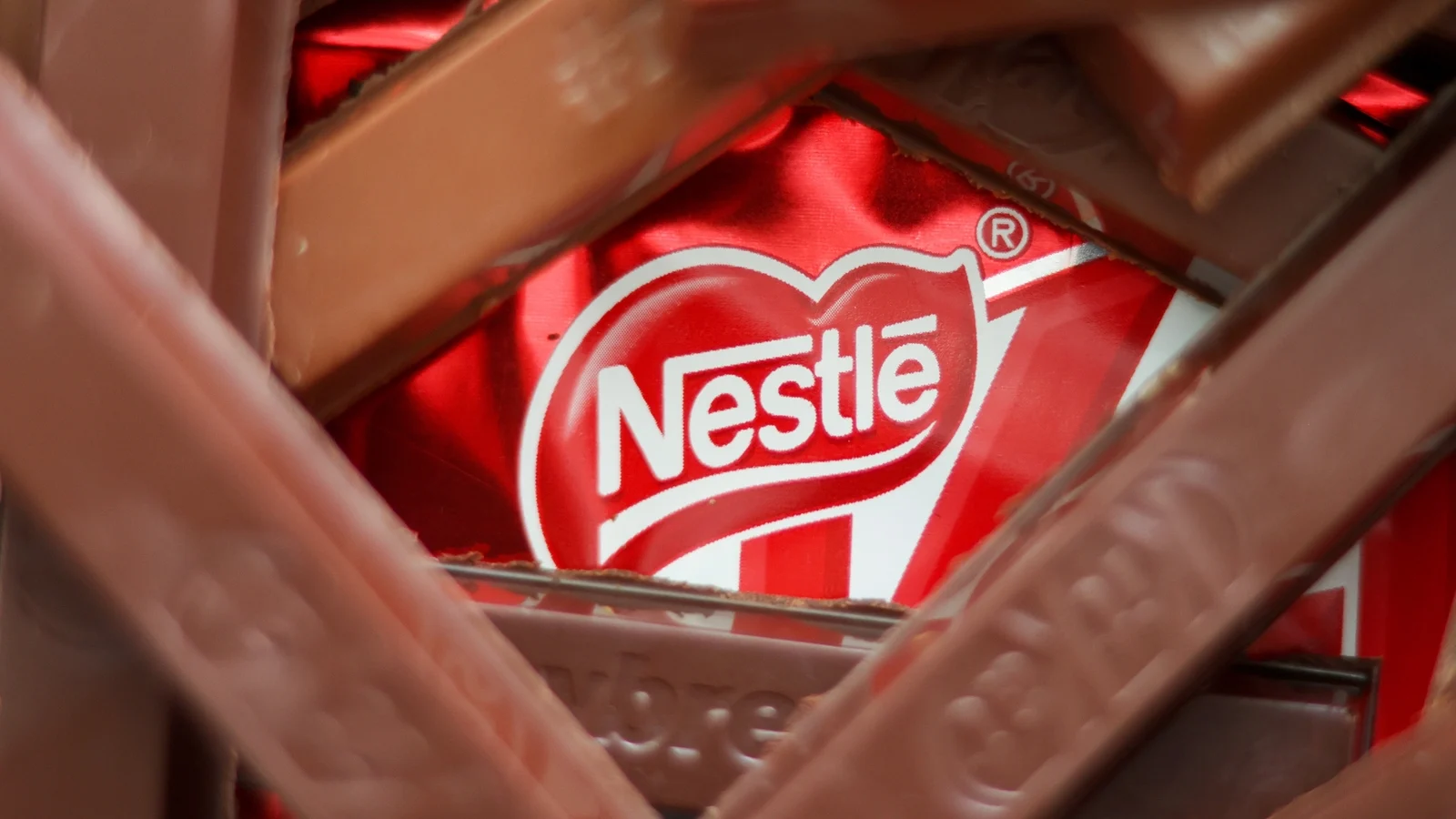
That was the scene recounted this week by Nestlé: twelve tonnes of KitKat bars—413,793 pieces from the chocolate maker’s new range—disappeared from the logistics system as if swept away by a gust of cocoa-scented wind. The company says the bars are traceable by a unique batch code; anyone scanning the code would receive instructions on how to contact Nestlé. But for the moment, the vehicle and its sweet freight remain unaccounted for.
More than a Missing Snack: Why This Story Resonates
At first glance, it feels almost comic: thieves with a predilection for British confectionery. “We appreciate the criminals’ exceptional taste,” a KitKat spokesperson quipped. And yet, beneath the quip lies a harder truth about modern supply chains—one that affects small shopkeepers, truck drivers, and consumers from Naples to Warsaw.
“These aren’t opportunistic kids lifting a chocolate bar,” said Marco Bellini, a veteran long-haul driver who has ferried foodstuffs across Europe for 20 years. “This is organized—timed, planned, and executed to be gone before anyone understands what’s missing. It’s a real job for some people.”
Cargo theft isn’t artful mischief; it’s part of an industry of crime that preys on the sheer scale and speed of global distribution. Industry watchdogs and logistics firms report that food and beverages are among the items most commonly targeted—easy to move, quick to fence, and often difficult to trace once mingled into secondary markets.
The Route: A Geography of Vulnerability
Think about the journey: a truck leaving central Italy would thread northward through a patchwork of landscapes—the Apennines, the busy transalpine corridors, the motorway nodes that serve as rest stops for drivers, and then the long eastward run across countries with differing enforcement standards. Each border crossing, service area, and urban periphery is both a logistic pinch point and a potential weak link.
“The human element is always the variable,” said Dr. Ivana Petrović, a supply-chain analyst based in Ljubljana. “Drivers stop to sleep, to eat; trailers are left unattended for a short time. Criminals know this and patrol exactly those places. It’s not exotic; it’s practical.”
Traceable Bars and the Digital Trail
Nestlé’s solution—batch codes on each bar—is emblematic of a broader trend toward serialization and traceability. A quick scan of a code can tell a factory where and when a bar was packaged, its expiry, and the route it was meant to take.
“Traceability is no longer a luxury,” said Martina López, a food-safety consultant in Madrid. “It’s insurance. When every unit has an ID, brands have a fighting chance to map losses, alert retailers, and, in rare cases, recover goods.”
Still, a code is only useful if the recovered goods end up in the open market. The more insidious problem is the grey economy: stolen pallets broken apart and sold piece by piece to market stalls, small retailers, or online shops where price or urgency trumps provenance.
Local Color: The Human Thread
In a Piazza in Warsaw, a small kiosk owner named Ania shrugged when asked if she’d heard about the missing KitKats. “If they show up at a bargain price, people will buy them,” she said. “Kids don’t ask where a chocolate came from. They only want it.”
In a trattoria off the A1 in Italy, an elderly proprietor named Giulia sipped espresso and lamented the modern fragility of the road. “When we were young, trucks were fewer; everyone knew each other,” she said. “Now the roads are full, and the strangers are many.”
These are not mere anecdotes. They are moments that reveal how a globalized food system—efficient on paper—relies every day on the trust and small acts of countless people.
What Can Be Done? Practical Steps and Global Implications
Companies and law enforcement are not idly watching. Tracking technologies—GPS telematics, sealed locks with tamper alarms, and serialization—are spreading. Some firms employ security escorts for high-value routes. Others are experimenting with immutable ledgers—blockchain systems that record custody changes on a distributed, tamper-resistant ledger.
- GPS and real-time telematics reduce response time when trucks deviate from planned routes.
- Seals and tamper-evident packaging make it harder to offload pallets without detection.
- Batch codes and serialization create digital breadcrumbs for brands and consumers.
Yet prevention and recovery cost money—and those costs feed back into retail prices, insurance premiums, and even wages for drivers. Industry estimates suggest cargo theft costs the global economy hundreds of millions, if not billions, of dollars each year when you account for the value of goods, lost business, and the protective measures that companies must fund.
Wider Questions: Waste, Ethics, and Consumer Choices
At a deeper level, this episode forces difficult questions. How do we weigh the value of a lost luxury good—albeit a popular one—against the backdrop of global food waste? The UN’s Food and Agriculture Organization estimates that roughly one-third of all food produced for human consumption is lost or wasted globally. When edible goods go missing in transit, they are not merely theft statistics; they are part of an alarming pattern of inefficiency in a world where people still go hungry.
And then there is the moral quandary: what would you do if you found a bar on a bench, marked with a batch code that flagged it as stolen? Return it? Keep it? Call the number?
“Consumers are the last line of defense,” Dr. Petrović said. “If people refuse suspicious bargains and report anomalies, the incentive structure for theft changes.”
Where the Story Goes From Here
For now, a sizeable mountain of KitKats sits somewhere beyond the public record. Law enforcement officers and corporate investigators will follow leads. Consumers will ask for explanations. Truck drivers will redouble their vigilance. And the snack world—parents, kids, confectionery fans—will perhaps giggle at the absurdity even as they register the serious structural problems the incident reveals.
So, dear reader: when a headline reads “thieves steal 12 tonnes of chocolate,” what registers for you? A laugh, a frown, or a deeper unease about how fragile our systems are? Beyond the novelty lies a network of human lives—drivers, storekeepers, families—entangled in a supply chain that demands better protection, smarter tech, and a little more communal care.
Keep an eye on your local shop. Look at the labels. And next time you unwrap a KitKat, consider the long journey that bar took to get to your hand—sometimes traveled safely, sometimes not. That thought might just change where, and from whom, you buy your next snack.