Predawn in the 8th: How a Quiet Paris Street Nearly Became a Headline
It was a thin, silver hour when Paris nearly woke to a darker alarm. At roughly 3:30 a.m. local time, a man was stopped on a flinty stretch of the 8th arrondissement — a few streets from the Champs-Élysées, where shopfronts wear the hush of shutters and the city’s luxury pulse slows to a whisper.
Police sources say the man had placed a homemade device near the façade of a Bank of America building, a scene that would have felt jarringly incongruous in one of the world’s most photographed neighborhoods. The device reportedly contained about five litres of liquid — believed to be fuel — and an ignition system. Rather than the flash of terror we fear, what followed was the careful choreography of prevention: officers arrived, made the arrest and began disentangling the why and the how.
A city of contrasts: beauty, commerce and vulnerability
The 8th arrondissement is a study in contrasts. By day, it blooms with tourists, diplomats, and shoppers who saunter between flagship stores and the sweeping vistas that run from Place de la Concorde to the Arc de Triomphe. By night, it keeps secrets: closed cafés with chairs stacked on tables, the hush of haute couture houses, and lamplight that gilds historic facades.
“It’s a place of glitter and routine,” said Marie Dubois, who has run a tiny boulangerie near the scene for two decades. “You don’t expect danger here. People come for the light, the beauty. This morning, I heard sirens and thought, ‘Not here.'”
For a city that hosts millions of visitors every year and serves as a financial hub for Europe, the episode is an unwelcome reminder of how public spaces, and by extension public safety, can suddenly be tested.
What authorities have said — and what remains unknown
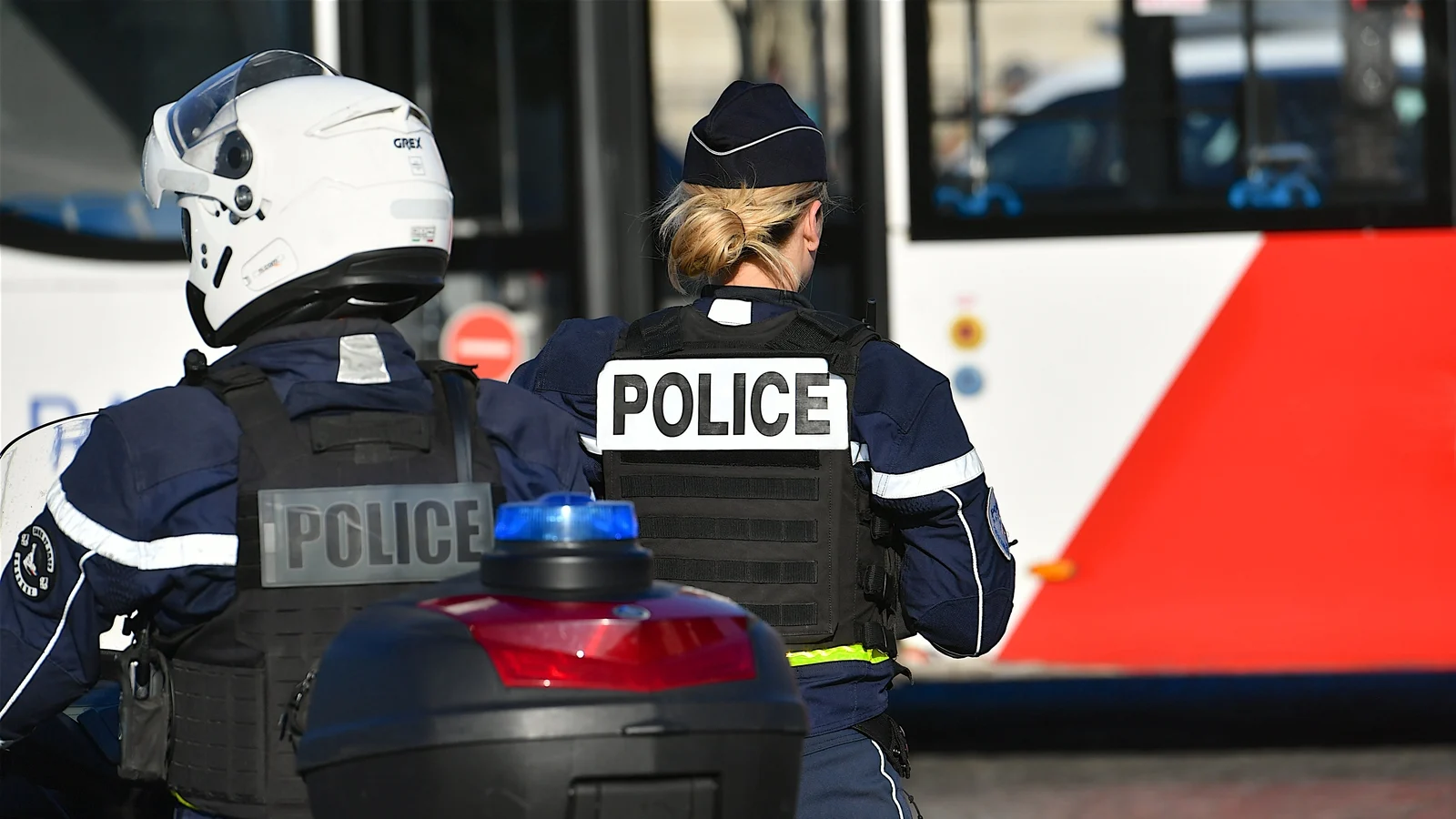
Officials say the man was apprehended immediately after placing the device, preventing any explosion or injuries. Paris law enforcement moved quickly: uniformed officers secured the perimeter; more discreetly, detectives and bomb disposal experts examined the materials. Items recovered — the canister of liquid and an ignition mechanism — are now evidence in an ongoing inquiry.
“Our first priority was the safety of residents and everyone in the area,” a Paris police source told reporters. “We detained an individual and rendered the device inert. The investigation is active and we cannot rule out any lines of inquiry.”
Who the man is, and whether he acted alone or was part of a broader network, are questions investigators are still parsing. Questions about motive — whether political, ideological, personal, or criminal — remain open. For now, prosecutors and counterterror units are sifting through CCTV footage, phone records, and forensic traces.
The wider security backdrop
France has a long memory when it comes to urban violence: from the 2015 attacks that shook Paris to other incidents across the country, security services have been adapting and evolving for years. The nation’s counterterrorism architecture includes the national anti-terror prosecutor’s office and intelligence branches tasked with detecting threats before they materialize.
“The challenge for any democratic city is to remain open and vibrant while also being vigilant,” said Dr. Amina Benali, a security studies lecturer in Lyon. “What we saw tonight — swift interdiction — reflects better coordination among police, intelligence and emergency services. But it also raises questions about prevention: community engagement, online radicalization, and the social fractures that can push someone toward violence.”
On the ground: witnesses, workers and the city that refuses to stop
At dawn, the cordon remained in place, but life in the 8th continued its slow reanimation. A florist on the avenue told me she watched the scene from her shop doorway, clutching an oversized mug.
“We are used to protests, to noise, to something every now and then,” she said, asking to be identified only as Sophie. “But this was different. There was that terrible silence before the lights — like the city held its breath.”
A security guard at a neighboring bank described the professionalism of the teams that arrived: “Bomb techs in white suits, police in dark — they worked like a machine. Calm, efficient. That’s what stopped it from being a nightmare.”
Why a financial institution? Why the 8th?
Attacks on symbols of finance are not new in modern political violence. Global banks represent more than money; they can be stand-ins for complex grievances about globalization, inequality, foreign policy, or simply convenient, high-profile targets in dense urban centers.
But motives can be many and mixed. “It would be irresponsible to leap to conclusions without evidence,” said Inspector Laurent Martin, a veteran of Parisian investigations. “We investigate facts. We trace movements, communications, purchases. Only then can we begin to understand intent.”
Local color: the human details that matter
It is easy to reduce events like this to headlines and statistics; harder, and more important, to notice the human particulars. The boulangerie that opened on schedule and offered croissants with extra sympathy. The doorman who counts the rhythm of the neighborhood — the night owls, the early birds, the tourists who never quite sleep. The custodian who swept debris from the pavement after police lifted the tape.
“Paris has been through a lot,” said Ahmed, a taxi driver who ferries late-shift workers through the 8th. “But it is a city that goes on. People are careful, yes. But they also come out. We don’t live afraid.”
Bigger questions: balancing freedom, surveillance and resilience
Every time an incident like this happens, larger debates re-emerge. How much surveillance is acceptable to keep streets safe? How do democracies hold onto open public life while investing in counterterrorism? What social policies might reduce the pool of people who turn to violence?
These questions have practical impacts: governments look at funding for police and intelligence, at community programs, at mental health services and deradicalization initiatives. Citizens argue about rights, visibility and prevention. And communities work, quietly, to stitch the social fabric tighter.
What do you think? When safety measures infringe on privacy, do they still serve the public good? When a city becomes a fortress, what is lost — and what is gained?
What comes next
As daylight fully arrived, investigators continued to comb the scene, and the life of the 8th arrondissement resumed its layered, human tempo. The man taken into custody will be questioned and charged if the evidence warrants. For now, authorities have prevented what could have been a dangerous event and turned to the long work of asking why.
In a world where the flash of danger can be as small as a canister and as symbolic as a bank façade, tonight was a reminder of resilience: the quiet competence of responders, the everyday courage of shopkeepers and residents, and the way cities — battered, bright, stubborn — continue to be the stages where our shared stories of risk and recovery unfold.