When the World’s Ledger Shook: A G7 Summit Spurred by War, Oil and Anxiety
The G7 meeting convened today felt less like a routine policy huddle and more like an emergency room for the global economy.
Ministers of finance, energy chiefs and central bankers gathered by video link—an unprecedented meeting across those three stitches of government since the G7’s founding—to stare down a crisis that began hundreds of miles away but has landed on doorsteps from Tokyo to Turin.
“We’re treating symptoms and scanning for the underlying disease,” one senior European official told me after the call, rubbing his temples. “Energy disruptions don’t stay in the Gulf. They travel across shipping lanes, through pipelines, into consumer prices and into household budgets.”
How the Gulf’s Fury Became Everyone’s Problem
Late February strikes by the United States and Israel inside Iran, and Tehran’s subsequent retaliation—including attacks on crude-exporting states and disruptions to shipments through the Strait of Hormuz—have tightened an already fragile energy market.
The Strait of Hormuz matters because it is the narrow throat through which about a fifth of the world’s oil passes. When tankers reduce speed, divert course or stop entirely, crude that fuels factories, buses and ships accumulates in price tags and production lines around the world.
Crude and natural gas markets reacted swiftly. Manufacturers who rely on petrochemicals started issuing cautious forecasts. Airlines and shipping companies, already squeezed by high fuel costs, began recalculating routes and ticket prices. For many economies, the immediate worry is inflation: from the cost of a warm winter to the price of bread on local markets, energy sits at the root.
Why the G7’s Format Was Different—and Why That Matters
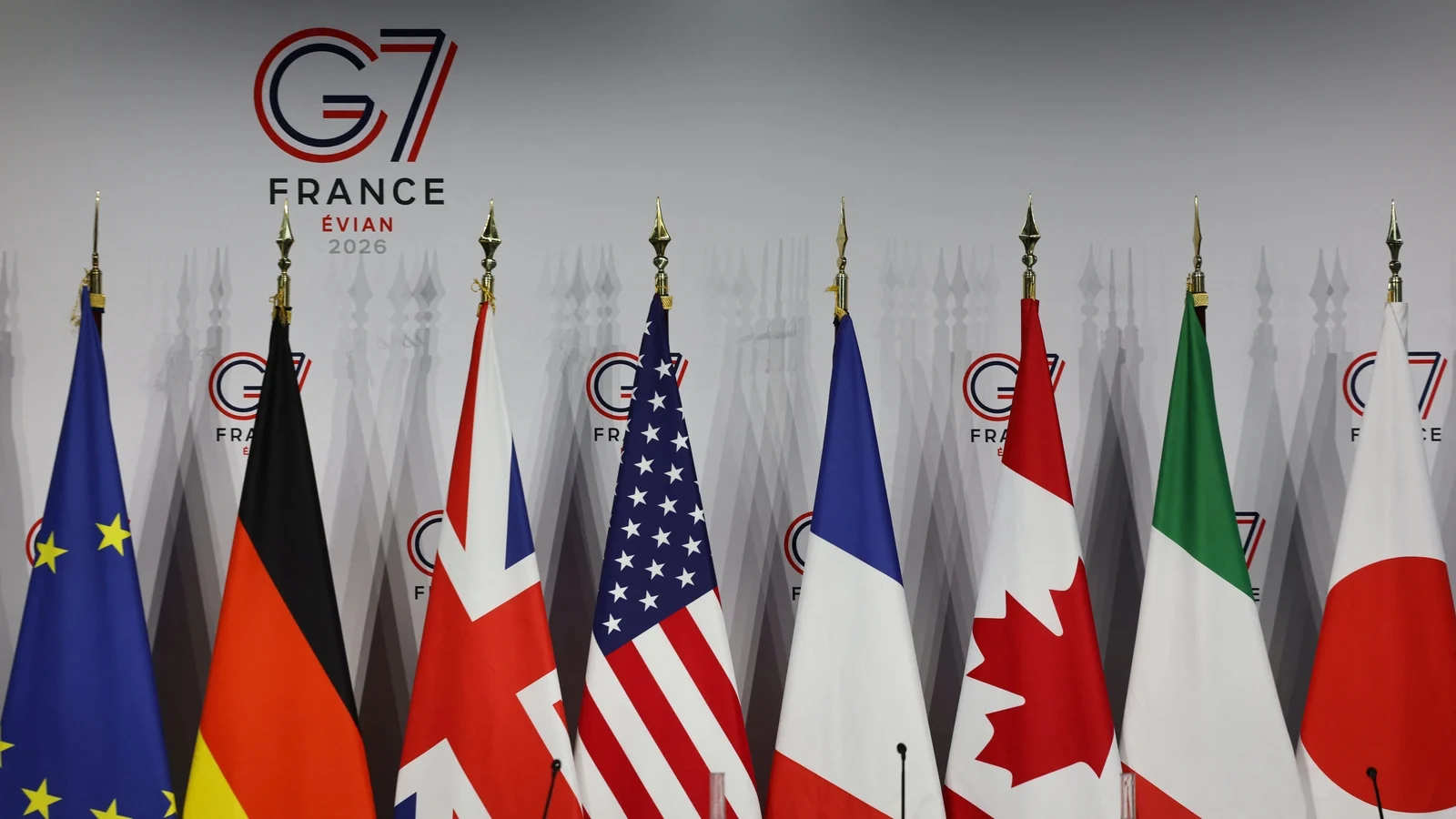
France, which currently holds the rotating G7 presidency, assembled finance ministers, energy ministers and central bank governors simultaneously—a coordination exercise not seen since 1975. Representatives of the IEA, OECD, IMF and World Bank joined by video, underscoring the gravity and global reach of the disruption.
Roland Lescure, France’s finance minister, framed the essence of the meeting plainly: the Gulf events have consequences across energy, finance and inflation. “We need rapid, targeted support where the pain is greatest,” he said, calling for both speed and fairness in any interventions.
What the G7 Is Considering
- Short-term fiscal support for vulnerable sectors—transport, fishing, agriculture—to blunt immediate distress.
- Coordinated releases from strategic petroleum reserves to stabilize markets.
- Enhanced maritime security measures to keep the Strait of Hormuz open and reassure global trade partners.
- Monitoring and contingency planning among central banks for second-round inflation effects.
“The calculus here is delicate,” said an energy adviser who participated in the discussions. “Dumping large reserves might calm markets briefly but it can also distort longer-term signals to invest in alternative supplies.”
On the Ground: Small Lives, Big Ripples
In the port towns that line the Persian Gulf, fishermen and dockworkers describe a tension that has nothing to do with geo-strategic briefs. Mohammad, a 47-year-old fisherman near Bushehr, described mornings when boats sit idle because bunker fuel is suddenly more expensive and risky to source.
“We watch the big ships with their flags and their armed escorts,” he said. “Sometimes they come, sometimes they turn away. My neighbors have fewer days out on the water. That means less fish at the market, less money at home.”
Across the Mediterranean in Marseille, a logistics manager for a midsize food exporter explained how container costs spike when shipping firms reroute to avoid perceived danger. “We’re absorbing a lot of costs. For now we can’t pass it fully to retailers, but margins are getting thinner,” she said.
Human Costs and Competing Narratives
The conflict has not only economic layers but sharply human ones. International activists reporting from Iran assert that more than 3,000 people have been killed there in recent campaigning, with more than half said to be civilians. Lebanese officials have reported over 1,000 fatalities linked to cross-border strikes and counterstrikes. Israeli and Gulf authorities report lower casualty figures, and independent verification remains difficult in many affected zones.
These numbers—contested, tragic, and raw—help explain why political pressure mounts every time commodity analysts announce another daily rise in energy prices. When people lose loved ones, or when a roadblock means a child misses school, the abstract graphs of GDP and inflation abruptly feel personal.
Why This Moment Tests More Than Markets
We are witnessing a collision of three long-term trends.
- Geopolitical volatility in a region responsible for a significant share of global energy supplies;
- Fragile global supply chains that lack slack after pandemic disruptions; and
- Heightened sensitivity of global inflation expectations, which central banks fear could harden into wage-price spirals.
“What we feared in the textbooks—external shocks that transmit into domestic inflation and then into expectations—are happening in real time,” said an IMF economist who asked not to be named. “Central banks cannot ignore this, but their tools are blunt and can hurt growth.”
Options, Trade-offs, and the Long View
Policymakers face a menu of unsatisfying choices. Some propose targeted fiscal transfers to the most exposed households and sectors. Others urge coordinated release of oil reserves or short-term fuel subsidies. A few whisper about more aggressive military guarantees to keep shipping lanes open. All options carry costs.
There’s also a plea heard more quietly among climate and development advocates: crises like this should accelerate the transition away from fossil fuels. “Short-term fixes are necessary,” said Dr. Amar Patel, an energy policy researcher, “but we should not let volatility become a reason to delay renewables and regional energy resilience.”
What Can Ordinary People Expect?
In the near term, expect higher bills, choppier supermarket inventories and stretched logistics. Governments will attempt to shield the most vulnerable—France announced a €70 million package to support fishing, agriculture and transport for April—while central banks will watch inflation closely and weigh whether to tweak rates or stay the course.
Longer-term outcomes depend on political choices: will international diplomacy defuse the Gulf confrontation? Will G7 coordination translate into effective, quick measures that prevent a broader economic slowdown? Or will the disruption catalyze deeper structural shifts—toward energy diversification, regional resilience, or, worst-case, protracted stagflation?
Questions for You
When global supply lines wobble, who should bear the cost—taxpayers, companies, or the producers and regimes closest to the source of disruption? Is it better to spend scarce fiscal firepower on short-term relief or invest in long-run transition? And perhaps most urgently: how do you prepare, personally and politically, for a world where distant conflicts ricochet into our daily lives?
As the G7 ministers pivot from video rooms back to capitals, the choices they make won’t just stabilize markets for a week—they will shape how resilient we are the next time a narrow strait becomes a global emergency.