When Aid Arrives in a City That Still Feels Like a Frontline
In the early light of Kyiv, where spring should taste of river breeze and blooming chestnuts, the air still carries the residue of midnight alarms and the metallic tang of urgency. It was here, in a city learning how to live and love and build while the war rages, that Ireland’s foreign minister announced a new lifeline: an additional €40 million for Ukraine.
Minister Helen McEntee stood in a compact conference room, flanked by Ukrainian officials and the hum of translation headsets, and described the package as “practical support for people under fire.” The money follows an earlier Irish contribution of €25 million this February, bringing the island nation’s 2026 tally into meaningful territory for a country battered by artillery, winter blackouts and weeks of drone raids.
More than cash: how the €40m will be spent
The aid is split between immediate relief and longer-term rebuilding: roughly €26 million for humanitarian help and almost €14 million for development, peacebuilding and resilience projects. A further €2 million has been earmarked for Moldova, which has felt the geopolitical ripple effects of the war.
- Humanitarian partners will include large international organisations such as the Red Cross and UNHCR, alongside Ukrainian NGOs and local charities.
- Development funding targets civil protection shelters, nutrition and healthcare programmes, monitoring of human-rights violations, and public investment projects designed to steady municipal services.
- Part of the tranche will support Ukraine’s longer-term path to European integration, a political project that is also a signal of solidarity.
“We’re not giving a cheque and looking away,” an Irish diplomat told me off the record. “This is about classrooms, clinics, energy resilience and the quiet work of peacebuilding—so people can come home and stay.”
On the ground: stories behind the numbers
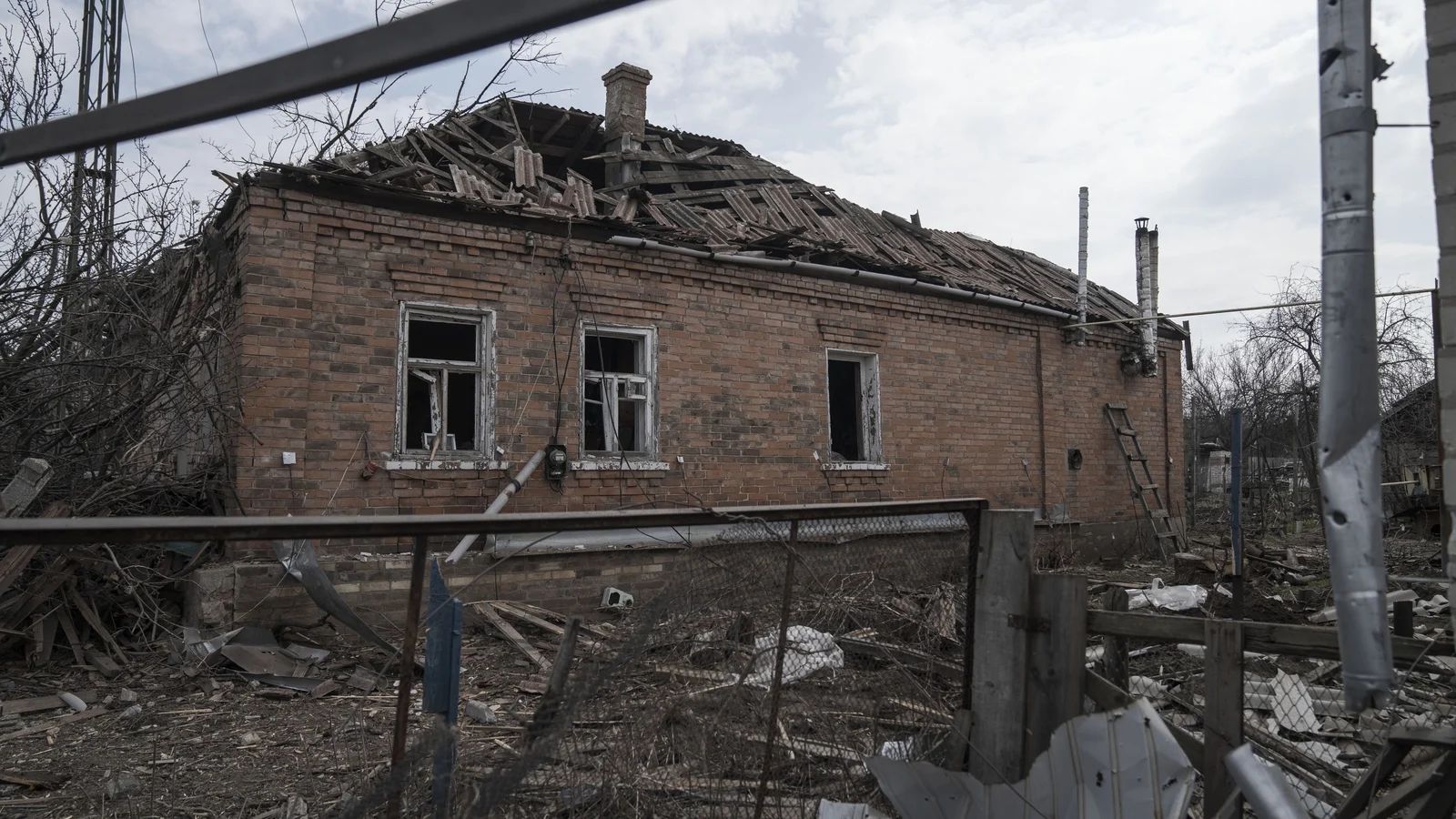
Numbers matter, and these are stark. President Volodymyr Zelensky said Russian forces launched 339 drones overnight in one of a series of swarm attacks; official tallies put the total drone activity at roughly 700 in a 24-hour window. In late March, Russia deployed more than 900 drones over a single day. The human cost: in recent reporting four people were killed in the Zolotonosha district of Cherkasy; another woman lost her life in Lutsk when a postal terminal—part of Nova Poshta’s distribution hub—went up in flames.
At a temporary aid distribution point in Kyiv, 54-year-old Oksana, whose apartment in Kharkiv was shelled last spring, wrapped her hands around a paper cup of tea and said, “Money is not just numbers for us. It is heat for our old mothers in winter, it is a roof for children when the sirens scream.” Her voice caught. “You can live without flour for a day. You can’t live without certainty.”
Across town, a volunteer from a grassroots organisation that helps evacuate civilians described how even small sums transform logistics: “€100,000 buys us fuel for a week of evacuations; €1 million can rehabilitate a damaged clinic,” she said. “When you think of it like that, €40 million is a lifeline stretched over many small hands.”
Why development aid matters in a war
It’s easy to think in immediate categories—food, blankets, first aid—but long-term resilience is what keeps a country alive after the headlines fade. The development portion of Ireland’s pledge will fund civil protection shelters, support nutrition and healthcare programmes, and help with human-rights monitoring. These are the quiet measures that stitch civic life back together.
“Humanitarian aid puts down the tent pegs,” said Dr. Marta Kovalenko, a social policy researcher in Lviv. “Development funding rebuilds the house. Both are necessary for dignity and recovery.”
Diplomacy amid drones: talks, tensions and a contested map
If aid is one front of this story, diplomacy is another, and it is messy. President Zelensky engaged in remote talks with U.S. envoys—including Steve Witkoff and Jared Kushner—and U.S. Senator Lindsey Graham. NATO Secretary General Mark Rutte also participated. According to Ukrainian statements, teams discussed strengthening U.S. security guarantees that might underpin any future peace deal.
“This is precisely what could pave the way for a reliable end to the war,” Zelensky said in his nightly address after the talks—a line that landed like a hopeful reed in a sea of uncertainty.
Yet on the battlefield, the Russian Defence Ministry claimed full control of the Luhansk region and announced the capture of villages in Kharkiv and Zaporizhzhia. Reuters, however, reported it could not verify these assertions, and Ukrainian spokespeople denied any recent territorial changes. The fog of war, it seems, today is thick with competing narratives.
What locals hear and feel
For those living within earshot of conflict, claims of territorial advances are not just geopolitics; they are the sound of another possible evacuation, another family dossier packed by flashlight. “When we hear that Luhansk is ‘taken,’ we think of our cousins, of their winter, of whether the bakery still opens,” said Ihor Petrenko, a teacher who now volunteers at a community shelter in central Ukraine.
He paused, then added: “Maps change on paper. People’s lives change in the streets.”
Wider implications: solidarity, security and the tests ahead
Ireland’s additional €40 million is emblematic of a broader European posture: practical, united, and cautious. “The EU remains united, resolute and practical in its unwavering support for Ukraine,” Minister McEntee wrote on social media from Kyiv—words that echo a continental effort to combine short-term aid with long-term political solidarity.
But money, diplomacy and words operate within a larger landscape: new weapons systems and drone technologies have made conflict more remote and more intimate at once, and civilians have become the regular recipients of both. The attacks on logistics hubs, food warehouses and postal terminals point to a strategic aim to fracture supply chains and civilian morale—an ugly, modern form of siege.
So what does the world owe? What do we, as distant readers, contribute to a conversation that is at once humanitarian and geopolitical? We can demand clarity from our own governments about where aid goes and how it is monitored. We can support independent reporting, and the non-profits on the ground who translate funds into shelter, medicine and hope.
A final thought
In the small hours after another air alert, a group of neighbors in a Kyiv courtyard sang quietly—old hymns, ballads, songs about home. It was not triumphant. It was stubborn.
When aid arrives, whether from Dublin or elsewhere, it lands on that stubbornness like a hand on a shoulder. It says: we remember you, we are with you, we will try to make the next spring lighter. That is the work now: not only to stop the engines of war but to rebuild the fragile, stubborn things that make life worth living.