When the pumps hiss: Europe feels the Strait of Hormuz in its veins
On a wet morning in Mulhouse, a man in a fluorescent jacket watches a single bead of petrol fall from a nozzle and thinks of Tehran, not the weather.
Across Europe, small, ordinary moments—filling a tank, switching on a heater, signing for a bag of feed—have begun to carry the weight of geopolitics. The wars and policy rows playing out more than 6,000 kilometres away in the Gulf are arriving in the form of higher bills, anxious supply charts, and a new, unfamiliar economy of caution.
“We used to complain about price hikes in winter,” says Anna Byrne, a dairy farmer outside Kildare, Ireland, wiping soil from her palms. “Now I check the shipping news before I decide how much fertilizer to order. It’s strange to have the fate of my fields tied to battles I’ll never see.”
Energy shock: the numbers that are reshaping choices
What’s actually changing
For 30 days of open conflict, the ledger is blunt: roughly €14 billion extra added to the European Union’s fossil fuel import bill, according to Brussels estimates. Traders and ministers say oil has surged around 60% and gas roughly 70% in price swings that have little respect for national boundaries.
Europe’s energy map is complicated by one simple fact: oil is priced globally and gas increasingly behaves like an auction. Even when most EU oil and gas come from non-Gulf suppliers, a dwindling world supply and a frenzied global bidding war push prices up for everyone.
“It’s the market’s cruel arithmetic,” says Marco Santini, an energy strategist in Milan. “A tanker diverted to the highest bidder leaves a hole where a contract once was. And that hole is felt on household meters and in factory orders.”
Things are uneven. Spain’s push into renewables—solar fields blooming across Andalusia and wind turbines carving silhouettes off the Atlantic coast—has rewarded it with projected wholesale electric prices that experts say could average around €66 per megawatt-hour for 2026, roughly half what Italy might expect. Italy, more dependent on imported gas for electricity, sits on a more exposed ledge.
Why Europe cannot simply shrug
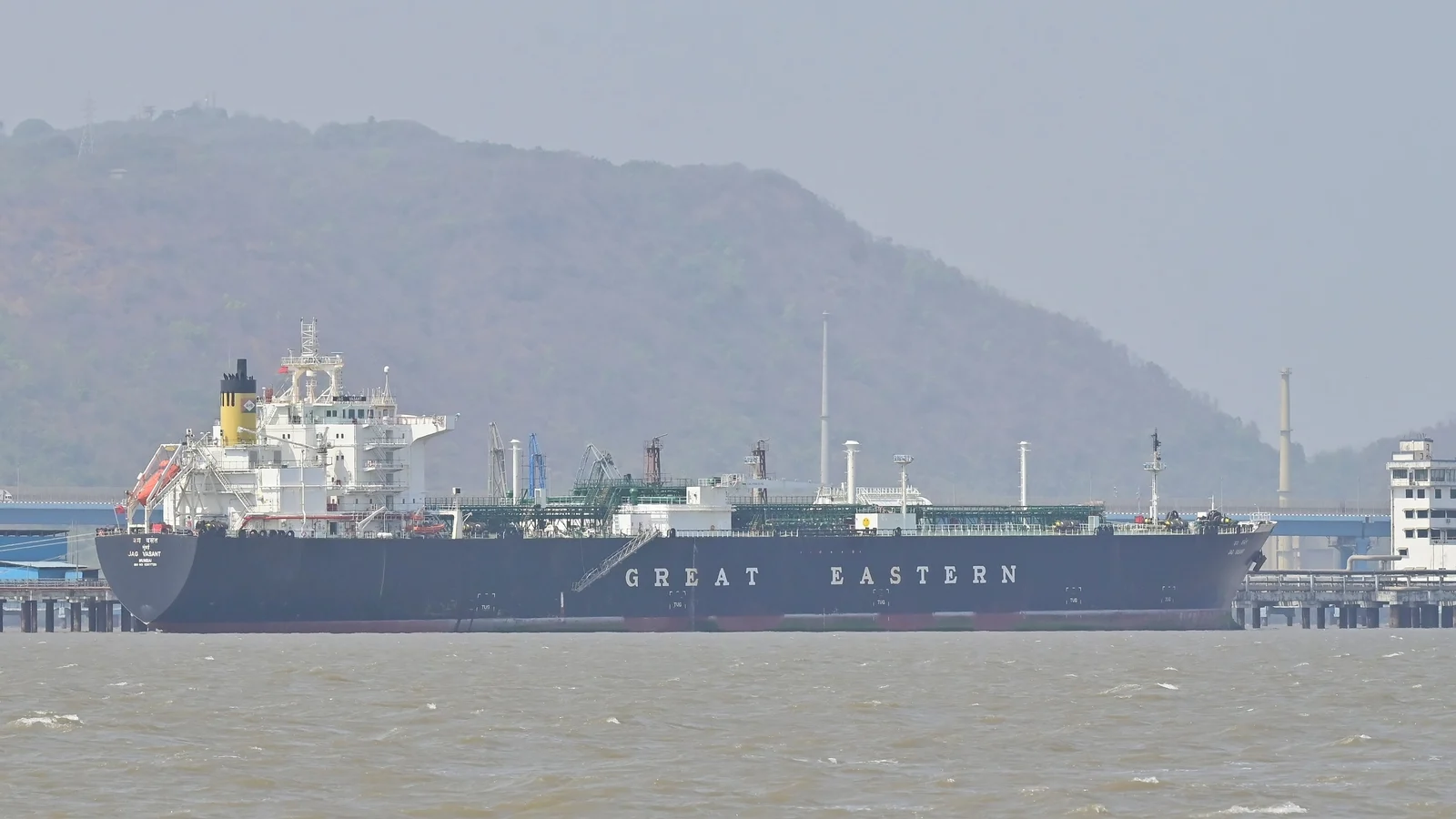
There are structural vulnerabilities. Liquefied natural gas (LNG) is mobile: tankers can start, stop, and steer toward the highest offer. The EU sources only a small fraction of its gas from Qatar—about 4% overall and 8% of LNG—but with that producer’s shipments curtailed, the margins for diversifying shrink.
Brussels has started to speak like an emergency room doctor: rationing questions are being asked. Ideas floated by international agencies—work from home advisories, fewer flights, driving restrictions by license plate rotation—sound like a throwback to pandemic life. They are not yet policy, but they are on the table.
Fields under pressure: fertilizer, food, and farmers’ calendars
There are more than energy worries; the farming season has its own ticking clock. One-third of global ammonia and urea—two chemicals central to artificial fertilizer—transits the Strait of Hormuz. When gas is scarce or expensive, fertilizer follows, in both price and availability.
“We bought forward last autumn because Brussels’ new carbon rules were coming on stream,” says Eoin Gallagher, an Irish import manager, referring to the Carbon Border Adjustment Mechanism (CBAM). “Now those same pre-buys are a mixed blessing: neat for stock levels, but no protection against a supply shock.”
Irish officials estimate their fertilizer stocks bought ahead of the CBAM transition will meet roughly 60% of farmers’ needs by mid-sowing season. That gap looms for growers whose planting calendars cannot be delayed.
Brussels faces a dilemma. Suspending environmental levies would ease prices in the short term, but it risks undermining long-term investments in cleaner production—the very changes that the EU wants industry to make.
Brussels’ balancing act: immediate relief vs. long-term resilience
European Commission officials speak in two registers: short-term triage and long-term strategy. In practice, those registers are shouting at each other.
Commission proposals this week focused on tactical tools—releasing oil from strategic reserves, legally curbing abusive pricing at forecourts, and placing unused carbon permits into a reserve to be unleashed if carbon prices spike. They stopped short of sweeping suspensions of emissions rules or the CBAM.
“We must ensure fairness now, but not by erasing the incentives that got us to cleaner industry,” one senior EU diplomat told me quietly. “Otherwise we are trading away tomorrow’s independence for today’s relief.”
Allies and adversaries: the diplomatic tightrope
There is another theatre: defence and diplomacy. The United States, eyeing domestic politics and global credibility, has urged allies to help keep the Strait of Hormuz open. European capitals, led by a mix of caution and principle, have been skittish.
Spain closed its airspace to certain military flights. Italy denied access to a Sicilian airbase for non-logistical raids. Austria—grounded by its neutrality—barred overflights. These gestures are at once political signals and practical refusals.
“Europeans don’t want to be dragged into a war that was not of their choosing,” says Liana Fix, a senior fellow at a European think tank. “But energy disruption and refugee flows are not abstract risks. If you sit out, you forfeit influence.”
Local voices: on the street and by the quay
At a small port near Fujairah, a stevedore named Hassan watches vessels queue like anxious commuters. “Insurance goes up, captains delay, cargo waits,” he says. “We measure time in containers now.” The UN has logged dozens of attacks and thousands of ships affected in the recent flare-ups—statistics that become human when you walk the docks and see the idle cranes.
In Sofia, a taxi driver complains about longer shifts to cover rising fuel costs, and in Marseille a fishmonger worries about increased freight charges that will squeeze his margins. The war’s arithmetic is personal: higher diesel, more expensive feed, pricier bread.
So what should Europe do?
Faced with a geopolitical squeeze, Europeans are being asked to choose between short relief and strategic change. There is no single answer, but options worth serious consideration include:
- Accelerating domestic renewables and grid upgrades to blunt gas dependencies;
- Deepening strategic petroleum and gas reservoirs with coherent EU-wide coordination;
- Supporting farmers with targeted subsidies or temporary CBAM adjustments that do not blunt long-term decarbonisation;
- Building diplomatic channels with regional players, including Iran, that keep lines open for de-escalation.
What would you choose if you were sitting at a national cabinet table—protecting today or reshaping tomorrow? It’s a real, hard choice facing millions of Europeans who prefer policy decisions to be invisible and predictable.
The bigger picture: a lesson about dependence
If the pandemic taught Europe painful lessons about supply chains and competition for scarce goods, the Gulf crisis is reinforcing an older truth: strategic vulnerability is expensive. Dependence on fossil fuels from distant and unstable chokepoints makes policy reactive. Investing in resilience—whether in renewable energy, diversified supply chains, or diplomatic muscle—costs now but could spare the continent far greater expense later.
In the end, the scene at the petrol pump or the quiet of a fertilizer warehouse on a cold morning are reminders that geopolitics is not a gallery for distant viewing. It’s a living, breathing force that shapes kitchens, farms, factories, and the temperature in our homes. Europe’s task is to decide how much of its fate it will cede to faraway straits—and how much it will take back, day by day, policy by policy.