Ceasefire, Not Closure: What Two Weeks of Quiet Revealed About a Region Still on Edge
When the guns finally paused, the silence felt both fragile and enormous. Streets that had been humming with the mechanical rhythm of conflict—air defenses, convoy sirens, the low thud of distant explosions—fell into a stunned hush. For many, that pause was relief; for others, a taste of comeuppance deferred.
What began as a swift, sweeping campaign by US and Israeli forces on 28 February has now been placed under a tentative, two-week truce. By the time diplomats sat down in Islamabad to begin talks, the headlines had already begun to split along familiar fault lines: strategic victory versus strategic failure. But beneath the slogans and soundbites lies a different story—one of limits, trade-offs, and the stubborn resilience of state power.
Assessing the damage—and the gaps
“We achieved blows,” a retired military planner told me over coffee in Tel Aviv, stirring sugar into his espresso as if stirring away the past month. “But targets that matter for a regime’s survival? Those are still standing.”
His sentiment is echoed by several analysts who warn that Israel’s most ambitious aims—crippling Iran’s nuclear program, dismantling an extensive ballistic missile umbrella, and precipitating political collapse in Tehran—remain largely unrealized.
Diplomats and analysts point to hard data. Iran still holds roughly 440 kilograms of uranium enriched to about 60% purity—far higher than the levels normally permitted for civilian reactors, and a sobering reminder of how close material can be to weapons-grade (usually around 90% enrichment). Ballistic missile inventories have been damaged, officials concede, but not eliminated. And while airstrikes and targeted operations have killed figures within Iran’s security apparatus, Tehran’s political structure endures.
“The infrastructure is bruised, but the body remains,” said an expert on regional security who asked not to be named. “In short campaigns, regimes often reveal fragility. In this one, Iran showed durability.”
Voices from the cities
In Tehran’s Valiasr Square, pride and apprehension sat side by side. A street vendor wrapped his fingers around a steaming samovar and shrugged. “We tasted danger and then tasted calm,” he said, smiling with a weary bravado. “You do what you must—close your shop for a day, light a candle for those lost, then open again.”
Across the sea in Beirut, a woman who had lived through multiple rounds of conflict pointed to a scorched apartment block and spoke in measured tones: “We know what war takes from us. Streets, shops, sleep. This pause—let it teach us something. But will it change the choices of those far from our balconies?”
Back in Israel, responses were predictably polarized. One young nurse in Haifa described an “immediate, immense relief” among patients and families. Yet a coalition of opposition politicians insisted the ceasefire amounted to surrender. “There has never been a political disaster like this in our entire history,” wrote one opposition leader on social media, capturing the fury of a faction convinced that military pressure was the only currency of deterrence.
Diplomatic choreography: Islamabad’s fragile script
Under the brokered truce, Iran and the United States agreed to open talks in Pakistan. The Strait of Hormuz—through which roughly a fifth of the world’s oil transited in recent years—was temporarily reopened, yet Tehran’s demands over control of the waterway, the terms of uranium enrichment, and the lifting of sanctions remain sharply at odds with Washington’s red lines.
“These are not procedural talks,” said a former diplomat who has worked on Iran policy. “They’re existential negotiating sessions for both sides. The risk is that the conversation in Islamabad creates interim calm without resolving the drivers of cycle—nuclear thresholds, regional proxies, economic sanctions. Then, in short order, the cycle repeats.”
And there’s another wrinkle: Israel insists the ceasefire does not cover Lebanon, where it has been locked in a renewed duel with Hezbollah. That separation of fronts complicates the truce’s coherence. Can a two-week pause in one theater hold while another erupts? The answer, as analysts caution, is far from certain.
Hezbollah, Lebanon, and the second front
In the hours after the truce, Israeli forces launched what officials described as their “largest coordinated” strikes against Hezbollah since the wider conflict began. From a Lebanese rooftop, a teacher watching the smoke rise said simply: “We are still collecting the fragments of lives that fall from the sky.”
For Israeli strategists, separating the Iranian file from the Lebanese front is attractive: it allows them to claim targeted successes while arguing for broader strategic flexibility. For many diplomats and observers, however, compartmentalization is wishful thinking. Regional conflict is rarely neat.
Wider ripples: Gulf recalibration and the fate of alliances
One of the quieter stories emerging from this episode is how Gulf states—once assuming that distance and diplomacy would buffer them from escalation—are being forced to reckon with new vulnerabilities. The attacks that reached into the Gulf showed that geography alone no longer guarantees security.
“For the Gulf, the arithmetic changes,” said a security analyst based in Abu Dhabi. “A state that was willing to do business with Tehran now has to weigh the risk of being collateral or coerced. That recalculation touches everything—from energy markets to open-air diplomacy, even the future of accords like the Abraham Accords.”
Whether the truce will produce durable changes in regional posture, or simply a brief window for governments to catch their breath, remains an open question.
So what now? Choices, ballots, and the politics of memory
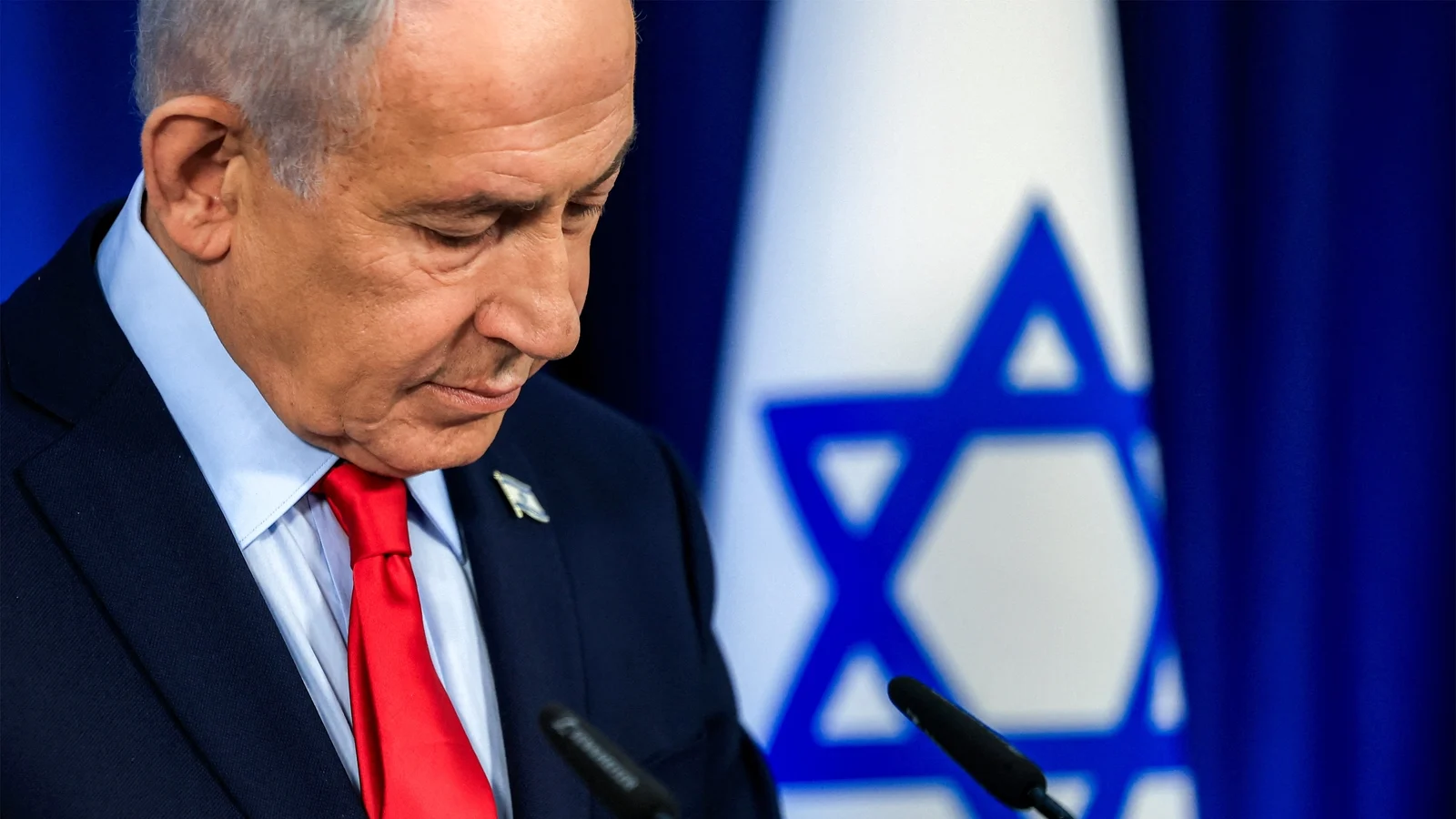
Israel heads toward parliamentary elections by the end of October, and Prime Minister Benjamin Netanyahu has already begun to frame the campaign in the language of partnership and deterrence. For critics, the calculus is different: military engagement produced limited gains at great political cost.
As one veteran political strategist observed: “Leaders will sell narratives—victory, necessity, partnership—but voters remember the cost of living with sirens and checkpoints. They remember who kept calm and who promised results.”
And what about the larger lessons for the international community? The truce underscores a recurring truth: stopping the guns is easier than solving the grievances that make them sing. Whether policymakers seize this pause to narrow the gaps—on nuclear constraints, conventional forces, and regional security architecture—or simply chalk it up to luck will decide whether October’s ballots will return stability or another round of escalation.
Questions for the reader
- Can a temporary pause become the seed of a lasting settlement, or will it merely reset the conditions for the next confrontation?
- How should external powers balance punitive strikes with long-term diplomatic engagement?
- At what point do civilians—those who open shops and tend tea and teach—get a stronger say in shaping the security choices that define their lives?
When the ceasefire came, people on all sides took stock. Some counted broken things; others counted the living. The rest—politicians, generals, diplomats—counted strategic gains. In the weeks ahead, what we all have to do is count the conversations too: the hard, honest ones about deterrence, dignity, and the true cost of “victory.”