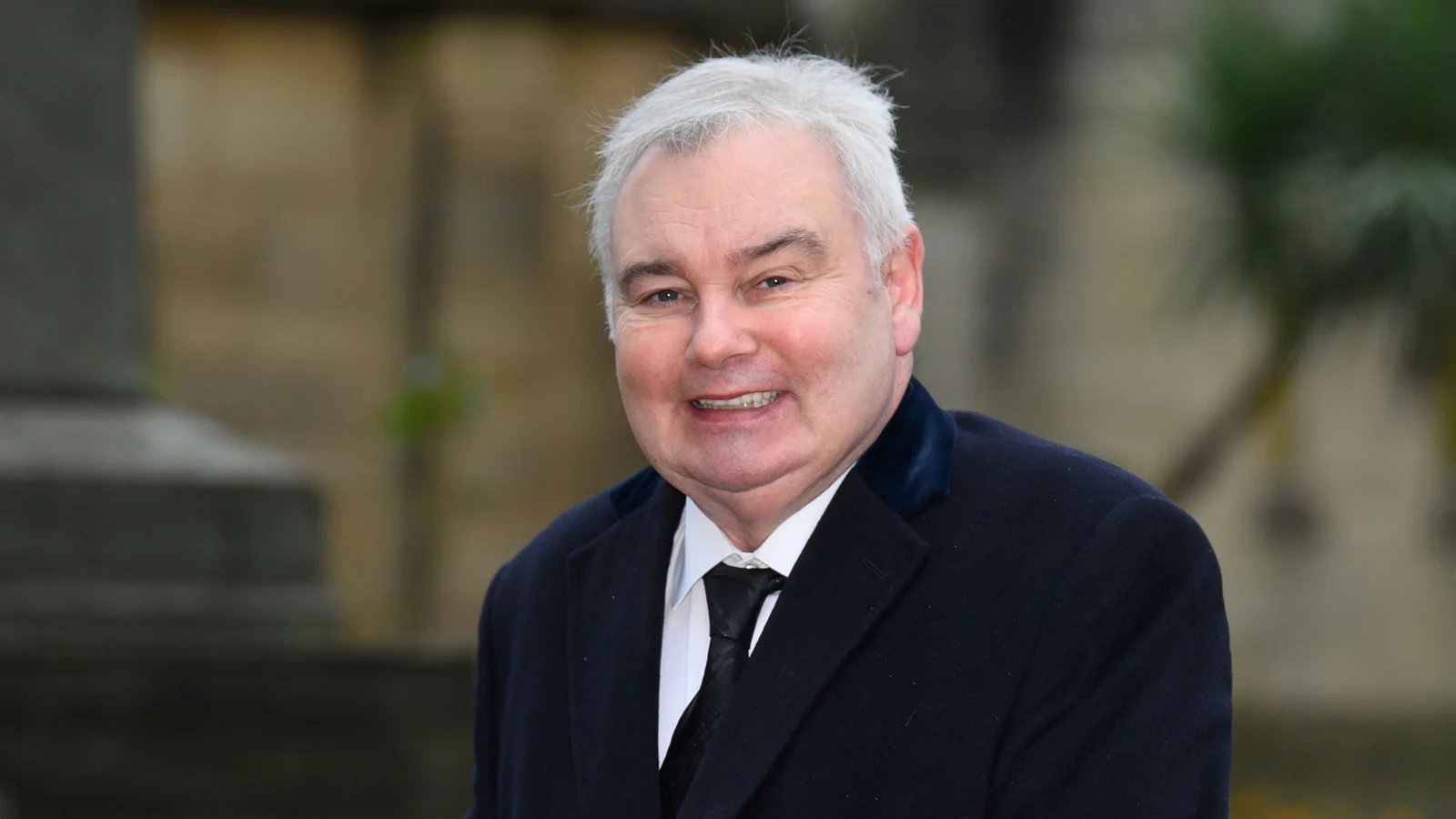
A Morning Interrupted: Eamonn Holmes, Family, and the Quiet Shock of a Stroke
There are mornings when the kettle whistles, the headlines roll across the screen, and a familiar voice — steady, bracing, sometimes mischievous — becomes part of the ritual for millions. For more than four decades, Eamonn Holmes has been one of those voices. This week, that ritual was jolted when the Belfast-born presenter of GB News Breakfast was taken ill and later confirmed to have suffered a stroke.
“What happened came as a real shock,” his eldest son, Declan Holmes, told the public on Sunday. “Dad is doing okay given the circumstances and we’re taking it one step at a time.” His brief statement was both gratitude and a request — thank-you to the well-wishers, and a plea for privacy as the family navigates what comes next.
From Belfast to the Breakfast Table
Holmes is not just another broadcaster. He is Britain’s longest-serving breakfast news presenter, a familiar face to viewers who have followed him from GMTV in the 1990s, to Sky News Sunrise, to ITV’s This Morning, and most recently to GB News. His voice has been the background to countless kitchens, commutes, and cafés — a daily companion for viewers in the UK and beyond.
“He’s part of the family’s morning,” said a neighbour from his Belfast childhood who still keeps a framed photo of the city’s shipyard on a mantelpiece. “You hear him and you know the day has started.”
What We Know — and What We Don’t
GB News confirmed on Saturday that Holmes “was taken ill last week and it was later confirmed he had suffered a stroke.” The broadcaster said he is “currently responding well to treatment,” and that Holmes has asked for privacy while he concentrates on recovery. Angelos Frangopoulos, chief executive of GB News, added: “Eamonn is a loved member of the GB News family, and we’re with him every step of the way as he recovers.”
For viewers, co-presenters, and colleagues, the immediate concern is straightforward: rest, recovery, and time. Alex Armstrong will be stepping in to present this week while Holmes recuperates.
The Human Story Behind the Headlines
It is easy to reduce an event like this to a line in a news bulletin — “presenter taken ill; now recovering.” But behind the bullet points are late-night hospital corridors, the hum of machines, the mix of relief and fear in a family weeping quietly in a corridor, and the awkward calculus of what they can and cannot say to protect a loved one’s dignity. Declan’s plea for privacy is not a media manoeuvre; it is a household’s attempt to create calm in a sudden storm.
Holmes has been candid in the past about health struggles: spinal surgery, a double hip replacement, mobility problems that led him to use a scooter at times, and two falls last year — once at home and once on air. Those episodes made headlines, but they also humanised a man who has spent much of his life fronting other people’s stories. “We forget broadcasters are real people,” a former producer reflected. “They age. They get tired. They get ill.”
When the Body Interrupts the Broadcast
Stroke is painfully democratic: it does not respect fame, station loyalty, or social calendar. Globally, stroke remains a leading cause of death and disability. In the UK, about 100,000 people suffer a stroke each year and more than a million are living with the consequences. The rule that physicians repeat is stark and simple: time is brain. The sooner someone receives specialist care — clot-busting medication within the early hours, or mechanical thrombectomy in certain cases — the better their chances of recovery.
- About 100,000 strokes occur in the UK each year (Stroke Association estimates).
- Early treatment — within 4.5 hours for thrombolysis — can dramatically improve outcomes.
- Many stroke survivors need months or years of rehabilitation, from physiotherapy to speech therapy.
“A stroke can be bewildering not only for the person affected but for those around them,” said a consultant neurologist at a London teaching hospital (speaking in a general capacity). “Recovery is rarely linear. Some patients show dramatic improvements in weeks; others make slower gains over months. Rehabilitation, family support, and good acute care make the difference.”
Public Reaction and Private Grace
Within hours of the announcement, social media communities lit up with get-well messages. Viewers shared memories — of a laugh during a tough interview, of a stern but fair challenge to a politician, of a morning when his warmth felt like a small island of normality. “Get well soon, Eamonn,” wrote one fan in Belfast, “you made breakfast less lonely for a lot of us.”
At the studios, colleagues expressed concern. “We’re all thinking of him,” one co-worker said. “He’s been the anchor of so many mornings; we feel oddly untethered.” These are the kinds of reactions that show how a public figure can become privately beloved: not for scandal or for ratings, but simply for reliability — the comforting cadence of a voice that signalled the start of a day.
Broader Questions: Age, Care, and the Spotlight
Holmes’ situation also asks a broader question about the culture of live television and aging presenters. As broadcasters age, do workplaces adapt? Is retirement a whisper or a shout? There’s no easy answer. Many older presenters bring a depth and steadiness that younger hosts are still developing. But the industry too must reckon with practicalities: schedules, medical support, and the pressure that comes with live performance.
“We need compassionate workplaces,” said a media industry HR consultant. “High-pressure roles require built-in safety nets. It’s not just about contracts — it’s about people.”
What We Can Do — and What You Can Reflect On
For readers watching from afar, there are small, humane responses worth considering. Send a card. Offer a quiet prayer or thoughtful message. Remember that those in the public eye deserve both concern and privacy. Above all, consider what a moment like this teaches us about health: about checking in with our own bodies, about recognising the signs of stroke, and about making peace with the fact that life can change in a day.
Are we, as a society, good at supporting people when the unthinkable happens? Do we give families the time and space to heal? How do we balance public curiosity with private need?
For now, the family’s message is gentle and firm: they appreciate the support, and they ask for space. “For now, we’re focused on him and keeping things steady around him,” Declan said. “We’d really value a bit of privacy as we navigate it, and what lies ahead, but thank-you again for the support, as it means so much to dad and the rest of the family.”
In Belfast, the city will keep its shipyard light on in memory and habit; in television studios, lights will go up each morning with a small, temporary absence. And somewhere between those two places, a man is resting, being treated, and being quietly cheered on by viewers who have grown used to beginning their days with his voice. Let’s wish him a steady recovery — and let us, too, heed the quiet prompts toward our own health.