When Ancient Privilege Meets Modern Outrage: The City of London Asks Prince Andrew to Give Up a Ceremonial Honor
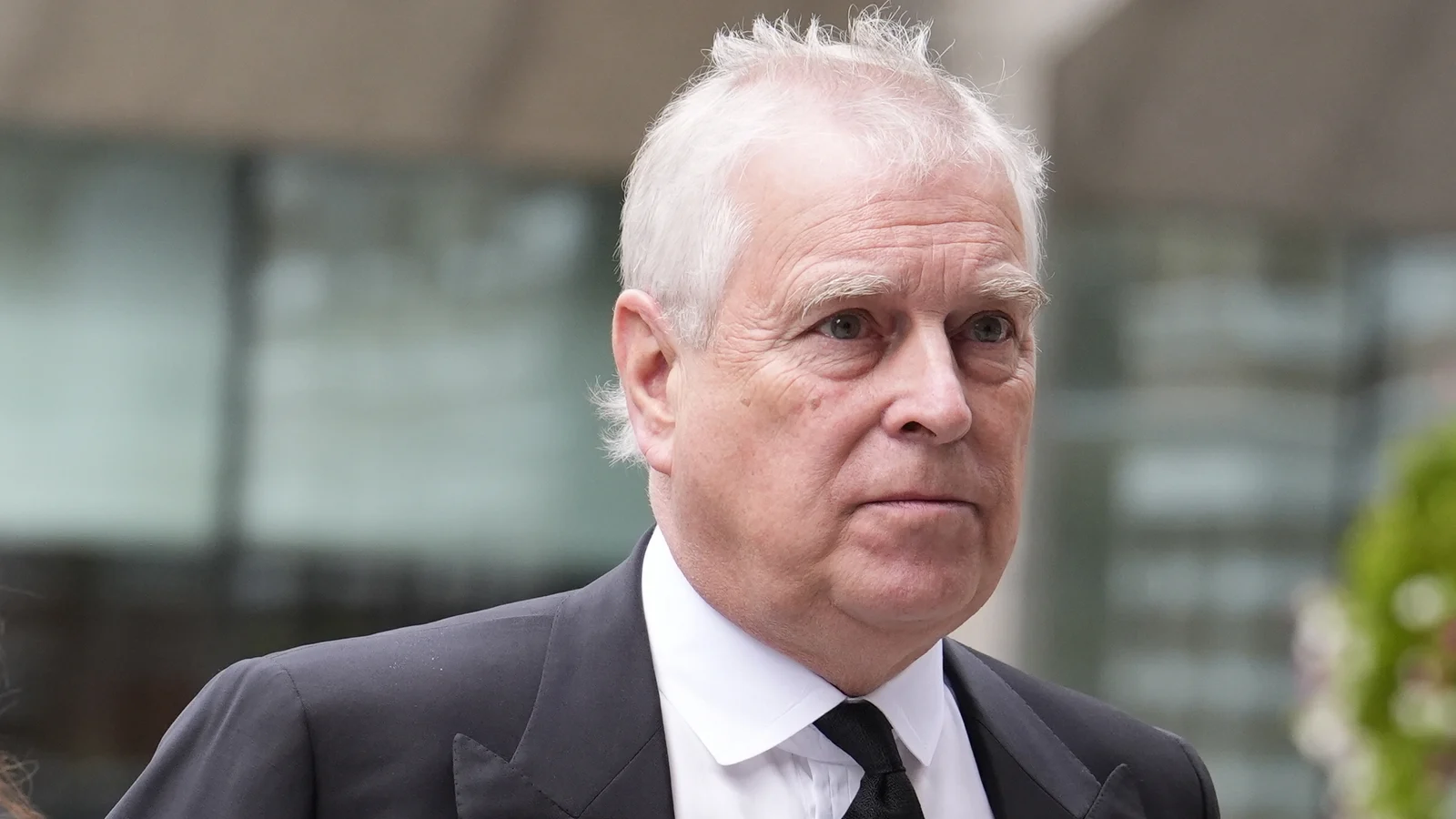
The Square Mile is a place of contrasts. Glass towers shoot up like new temples to global finance, while cobbled lanes, guildhalls and a stubborn London fog keep one foot firmly in the past. It was in that layered city—the City of London Corporation, the peculiar municipal body that runs the financial district—that elected members quietly agreed on a gesture heavy with symbolism: they will write to Andrew Mountbatten-Windsor, inviting him to formally relinquish his Freedom of the City.
On paper, it looks like administrative housekeeping. In practice, it is a small civic drama that speaks to much bigger questions about privilege, accountability and the limits of old honors in a shaken public conscience.
A centuries-old honor caught in a modern scandal
The Freedom of the City of London has roots stretching back to medieval guilds, when being a “freeman” could mean the right to trade, protection under city law and membership in powerful livery companies. Today it is largely ceremonial—a nod to service, status or lineage, and yes, a tradition that allows for showpiece gestures such as the medieval puff of granting someone honorary rights.
But not all freedoms are born equal. The City Corporation is clear: “Andrew Mountbatten-Windsor received the freedom of the City of London in 2012 by virtue of patrimony, which is inherited as the child of a freeman and constitutes a legal right,” a spokesperson said. In other words, because he inherited the status, there is no straightforward legal mechanism to strip it away; the honor exists as a matter of law unless the recipient chooses to surrender it.
So the elected members decided on a different tack: a request. They will write to him asking that he relinquish the freedom voluntarily. They will then wait—considering any reply in a future meeting and weighing what, if anything, can be done next.
Why now? The backdrop of scandal
The invitation comes after months—years, really—of mounting public scrutiny of Prince Andrew’s associations and conduct. He was arrested in February on suspicion of misconduct in public office, and his links to the late financier Jeffrey Epstein, who died in custody in 2019, have been relentlessly probed. In 2022 he settled a US civil claim that further fueled debate about whether those who have enjoyed the trappings of privilege should continue to hold ceremonial honors.
To many Londoners now, the Freedom of the City isn’t merely a quaint relic; it is a small but visible marker of how institutions handle reputational risk when their rolls include the well-connected. “It’s not about a piece of paper,” said Councillor Amina Hassan, who represents a ward in the heart of the Square Mile. “It’s about what we stand for. The City is supposed to be a place of trust and integrity for global markets. We can’t have our title lists undermining that.”
Voices from the Square Mile
Walk the lanes around the Guildhall and you will find opinions as varied as the city’s architecture. On a damp afternoon, Marcus Reed, who runs a coffee cart outside the Royal Exchange, said, “People are tired. They want symbols to mean something. If an honor is given, it should reflect values we’re proud to show off.”
At a neighboring investment firm, a junior analyst asked to remain anonymous: “I don’t expect the City to police every personal scandal. But when the press keeps talking about associations with people accused of the worst crimes, it becomes awkward for everyone here.”
Meanwhile, activists have not been silent. Small petitions and social media campaigns—some local, some international—have demanded the removal or return of honors held by those accused of misconduct. One campaigner, Eva March, who coordinates a survivors’ advocacy group, framed the City’s move as meaningful. “This is a test of how seriously we take institutional recognition. Honours have power. If they remain attached to people facing such allegations, it’s a slap in the face to victims.”
The legal and symbolic limits of the gesture
There is an uncomfortable technicality at the heart of the story: when a freedom is granted by patrimony, it’s effectively a hereditary right and not subject to the same cancellation processes as a granted or honorary freedom. That complicates the City’s options. It can request surrender. It can express disapproval. But it lacks a blunt instrument to erase the honor unilaterally.
Professor Sarah Benton, an expert in constitutional and municipal law, put it plainly: “This is largely symbolic. The City has thought carefully about what legal powers it actually has. Asking someone to relinquish an inherited freedom is an attempt to reconcile public expectation with legal reality. If the individual refuses, the City’s choices become far narrower.”
Small ceremonies, big questions
Why should ordinary people care about what looks like ceremonial housekeeping in a small patch of London? Because these decisions are shorthand for how societies reckon with status. We have seen similar debates play out globally: university buildings named for controversial figures, honorary degrees revoked, statues removed. Each action asks us to decide whether honors are a neutral historical ledger or an active endorsement of character.
And the question is not only moral but practical. A City that trades on reputation—on trust, regulation, and access to global capital—faces real costs when its symbols are perceived as tolerating questionable associations. “Markets care about governance and optics,” said David Lenz, a risk analyst. “You can lose intangible credibility, and that can translate into real economic friction.”
What happens next?
The City will send its letter. The decision will land in an envelope, perhaps on a desk, perhaps never answered. Then the Corporation’s elected members will reconvene and decide whether the reply—if any—warrants further action. It is a slow-moving civic soap opera, but one that will be watched closely by journalists, activists and institutions wrestling with the same dilemmas elsewhere.
So what do you think? Are ceremonial honors worth defending from the vagaries of public opinion, or should they be fluid instruments that reflect contemporary standards? Does inviting surrender—rather than forcing removal—properly balance legal limits with moral pressure?
In the end, the story in the City of London is a reminder that symbols matter. Whether the honor is returned, retained or quietly ignored, the debate it sparks will outlive any single letter. It will continue to force us to ask: how do we reconcile centuries-old traditions with twenty-first-century expectations of accountability?