Gunfire in the Strait: When a Shipping Lane Turns Suddenly Dangerous
The Strait of Hormuz is a ribbon of water the size of a postcard on the world map but heavy enough to tilt global markets. On a bright, wind-scoured morning this week, that narrow ribbon decided to remind everyone how fragile supply lines can be: three commercial vessels struck by gunfire while transiting one of the busiest maritime choke points on Earth.
When the first shots rang out, the scene was ordinary—tankers and container ships huddled in the lane, fishermen in narrow dhows casting nets, minarets on distant shores marking time with the call to prayer. Then came the clatter and the crackle of radio, and a dozen decks spun into emergency mode.
What happened, and who was hurt?
Details remain murky. Shipping companies and regional officials confirmed that three vessels sustained hits consistent with small-arms or heavy-machine-gun fire. Initial reports from company security teams and local coast guards suggest structural damage to the superstructures and non-life-threatening injuries to crew members on one ship—but no confirmed fatalities as rescue and inspection teams continue their work.
“We felt a sharp impact near the bow, and for a moment the whole crew froze,” said Captain Amir Rahmani, a veteran supply-ship skipper who watched the evacuation from a nearby vessel. “You stop thinking about cargo, you think about people. We pulled together, did the checks, and I could see in every man’s face that this region could get hotter very quickly.”
Why the Strait matters
Put simply: a lot. Roughly one-fifth of the world’s traded oil moves through the Strait of Hormuz—estimates typically put that at some 17–21 million barrels per day, depending on the season and market conditions. Dozens of liquefied natural gas tankers and container ships also thread through the strait, keeping industries humming from East Asia to Europe.
“A disruption here is not a local story; it’s a global economic weather event,” said Dr. Laila Hassan, a maritime security analyst who has studied Gulf chokepoints for two decades. “Insurance, shipping schedules, refinery feedstock, and even the price at the pump can feel shocks that begin here.”
Voices from the water and the shore
Along Bandar Abbas’ waterfront, tea stalls and fish markets continued as if to defy the tension offshore. But the mood was taut. A fisherman named Reza Ali, wiping his hands with a faded towel, spoke of livelihood and risk.
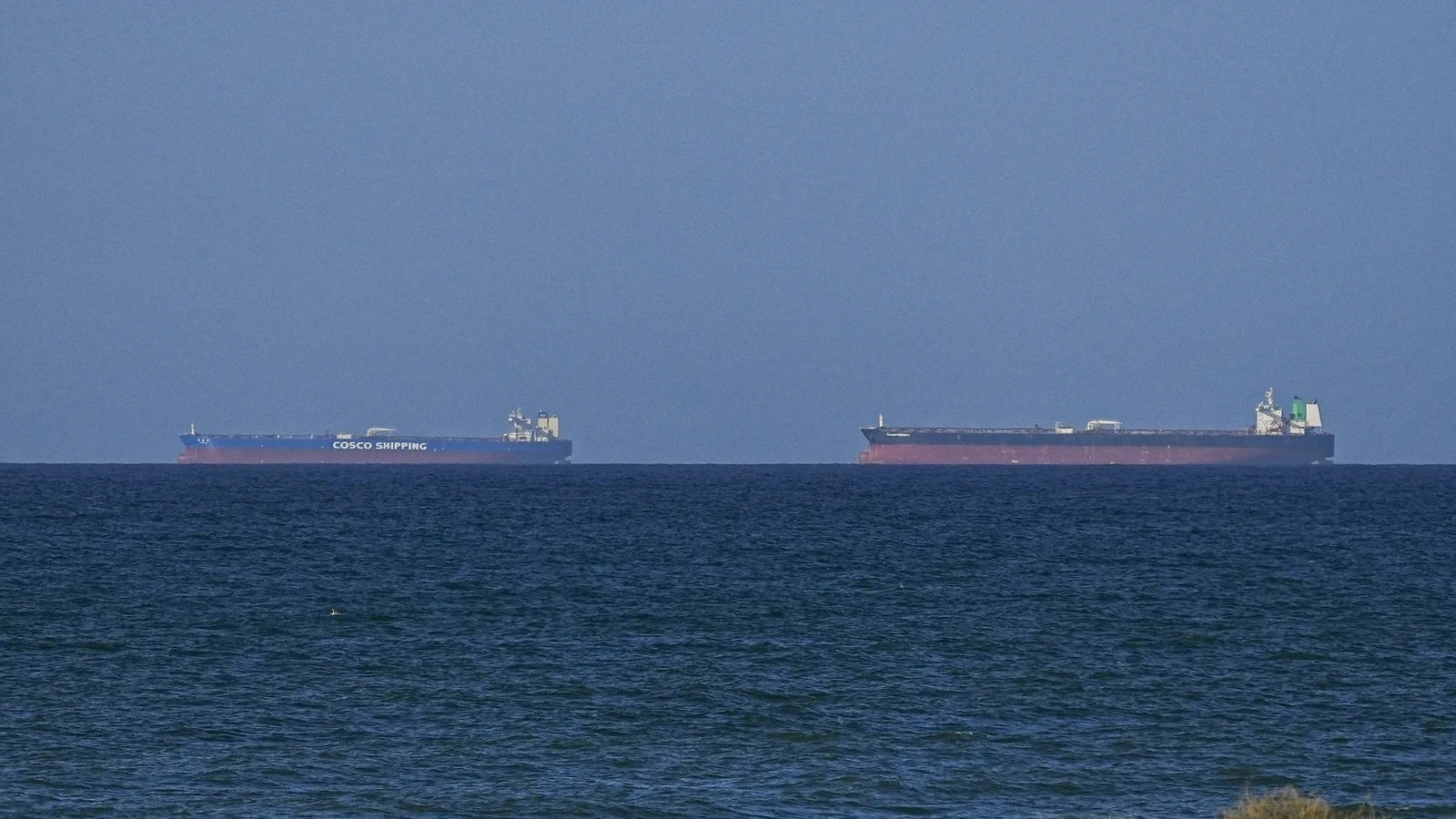
“We are used to big ships and big noise. But this was different. You can smell the diesel and see the smoke and your heart goes fast. The sea gives us life, but it can also take it in a blink,” he said, eyes flicking toward the horizon where silhouettes of tankers loomed.
A U.S. naval spokesperson, speaking on condition of anonymity pending official briefings, told reporters: “We are monitoring the reports, coordinating with regional partners, and ensuring that vessels are able to transit safely. The freedom of navigation in international waters is paramount.”
Iranian and Omani coast guards have both said they are investigating. Regional navies—some visibly, some through back channels—began amplifying patrols in the days after the incident, a reminder that visibility often matters as much as firepower in preventing escalation.
Patterns, not anomalies
This is not an isolated flare-up; it’s part of a pattern. The last decade has seen recurring incidents in the Gulf—mysterious explosions on tankers, harassment of vessels, and periodic seizures that have spiked insurance premiums and forced shipping lines to reroute. In 2019, for example, a series of attacks briefly pushed insurance costs up dramatically for several routes around the Persian Gulf and the Arabian Sea.
“Actors in the region know the leverage they can gain from destabilizing traffic here,” Dr. Hassan said. “A targeted attack or a campaign of harassment can cause ripples that outsize the initial physical damage. Markets react to uncertainty faster than they calculate physical loss.”
How shipping companies adapt
Commercial operators are not helpless. Many vessels now transit with private security teams, reroute around more dangerous corridors when feasible, and adopt layered defenses—from electronic monitoring to hardened wheelhouse glass. Shipping companies often issue rapid notices to mariners and coordinate with naval forces on patrols and escorts.
But all of those precautions cost money. Higher premiums, longer routes, and additional security add up—costs that ultimately trickle down to consumers in various forms.
Beyond oil: why everyone should care
The Strait of Hormuz may seem like a niche concern for commodity traders, but the stakes are wider. Supply chain vulnerabilities exposed here reverberate in the price of goods, the cost of living, and the speed of economic recovery after crises. They also raise questions about risk concentration and the geopolitics of infrastructure.
Consider this: is the global economy comfortable continuing to concentrate such a high volume of critical energy and goods through a single narrow corridor? The answer is increasingly uncomfortable for many. Calls for diversified supply lines, alternative routes, and accelerated transition to renewables have gained new urgency with each maritime incident.
Small fixes, big questions
There are concrete steps that governments and companies can take right now:
- Enhance multilateral maritime patrols and real-time information sharing.
- Invest in satellite and drone monitoring to detect hostile vessels or irregular firing patterns faster.
- Encourage shipping diversification and resilient supply-chain planning to reduce single-point dependence.
- Support diplomatic channels to de-escalate tensions and build crisis communication protocols between navy commands.
“We need both the hardware and the humanity,” said Sofia Martinez, a former risk manager for a global shipping firm. “Hardware—surveillance, escorts, hardened ships. Humanity—trusted lines of communication, restraint, and the political will to keep commerce flowing without it becoming a bargaining chip.”
What this moment asks of us
As the sun dips low and shipping lights blink on, the strait resumes its ceaseless duty. Crew members will dry off, engines will be checked, insurance claims will be filed, and shipping manifests will be adjusted. But the question that lingers is not procedural. It’s ethical and strategic: how much risk will the global community accept in exchange for the efficiency of a route? How quickly will it act to safeguard commerce that thousands of lives and livelihoods depend on?
And if this incident teaches anything, it’s that the world needs to look past headlines and numbers and pay attention to the human texture of maritime security—those skippers on watch, fishermen hauling nets, port workers counting crates, and families who depend on steady paychecks. Their lives are the undercurrent beneath geopolitical chess moves.
So, reader: when you next fill your car, buy a plane ticket, or wait for a container-bound order, remember that a small stitch of geography can tug at a global fabric. What choices would you make if you were designing a safer, fairer, and less brittle global shipping system? The Strait of Hormuz has posed the question again. How we answer matters—for economies, for people, and for the sea itself.