When the Sea Becomes a Battlefield: Inside the US Campaign Against “Narco‑Terrorists”
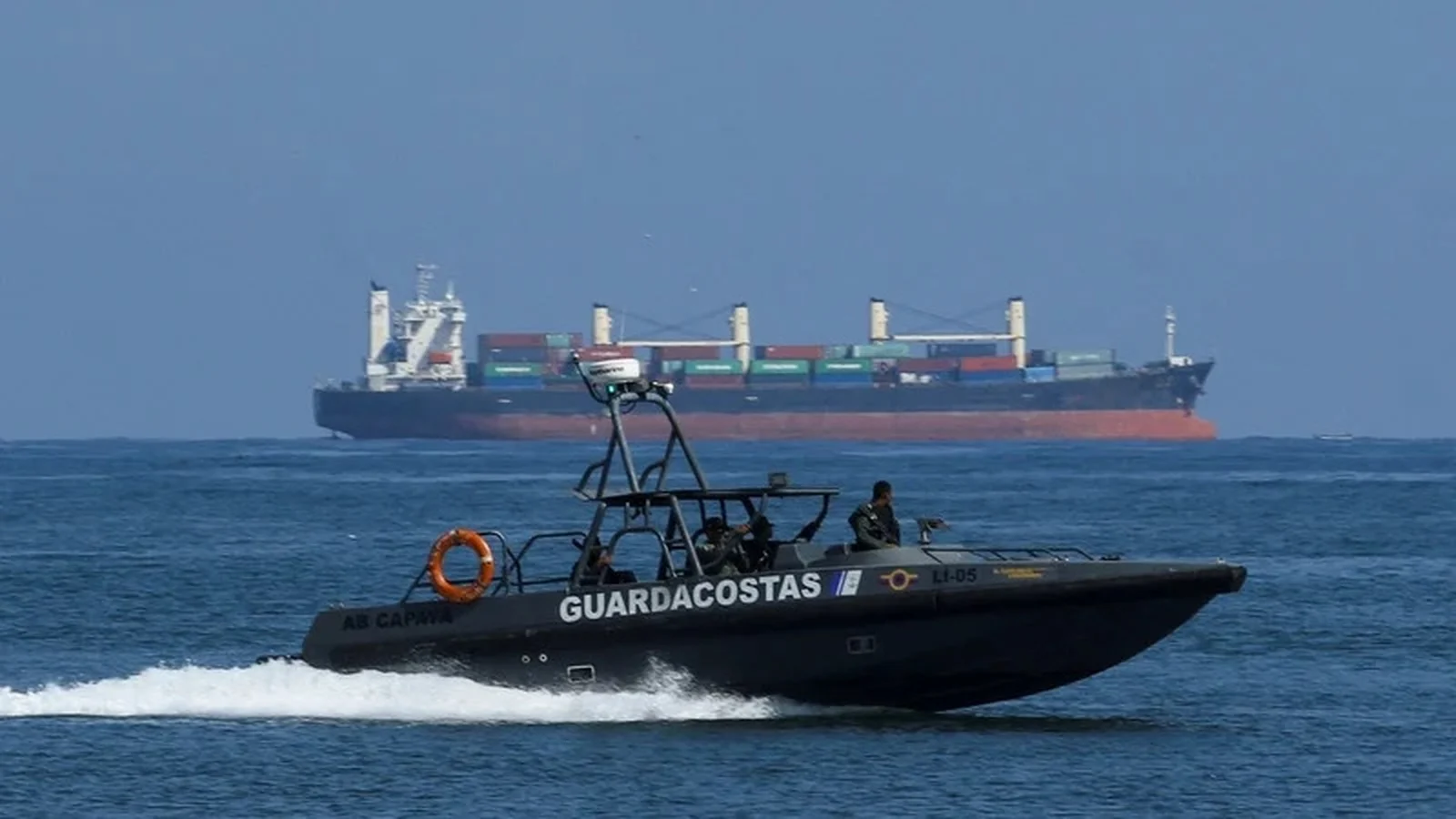
On a gray stretch of the Eastern Pacific, where fishermen once told stories about the ocean as a generous but capricious aunt, the quietly humming world of panga boats and cargo freighters now shares the horizon with something else: a military campaign that treats the waves as an extension of the war on drugs.
“We conducted a lethal kinetic strike on a vessel operated by Designated Terrorist Organisations,” the US Southern Command said in a terse post on social media. It was the latest in a string of similar announcements. The message echoed the blunt language of many such statements since the campaign began last September: the vessel was “transiting along known narco‑trafficking routes in the Eastern Pacific and was engaged in narco‑trafficking operations.”
According to an AFP tally, at least 182 people have been killed in these US strikes so far. US military officials count at least seven such strikes in April alone. Numbers that start on typed pages and become, in seaside towns, names on the lips of people who watch the ocean every day.
What happened in the water?
The scenes are spare in official releases. A vessel. Intelligence confirming its role. A lethal strike. Two people killed, the military said in its most recent notice. Beyond that, there is silence—or a fog of classified briefs and anonymous sources.
To the crews and families along the coast, however, the silence is deafening. “We woke up to helicopters and smoke on the horizon,” said a fisherman from the Ecuadorian port of Esmeraldas, speaking on condition of anonymity for fear of reprisal. “We don’t know who was on that boat. We only know people die and no one asks about their names.”
Local recollections carry texture: the taste of diesel in the air after a strike; a shoreline strewn with plastic crates and ribboned tarps; the harbour dogs that circle wreckage. It is everyday detail—home to a world of small economies and larger, invisible forces.
The human cost
At least 182 dead. The number is stark but incomplete. Counting the dead in a watery theatre of operations is notoriously difficult: bodies sink, identities get lost, families migrate or go into hiding. Yet the figure—meticulously updated by international news agencies—has weight. It forces us to ask: who are these people, and when does a law enforcement operation become a war?
International legal experts and human rights organizations have been raising such questions. “If you target a civilian on the sea who is not posing an imminent threat, you are, by definition, undertaking a killing that looks extrajudicial,” said an international law scholar who follows maritime operations closely. “The legal foundations for these strikes need to be articulated publicly—who authorizes them, what evidence supports them, and how are civilian lives being safeguarded?”
Human rights groups argue the strikes may not meet the thresholds required under international humanitarian law or the laws governing the use of force. “We are not opposed in principle to disrupting narco networks,” a representative of a global rights organization told me, “but the way this campaign is being carried out raises serious accountability issues. There are patterns of targeting that suggest insufficient verification and inadequate measures to avoid civilian harm.”
From the deck of a panga
Along the shore, the conversation is less abstract. “We have always had boats at night,” said María, who sells fish at a market two hours’ drive from a known trafficking corridor. “Sometimes they are smugglers, sometimes fishermen. How can anyone tell from a plane or a satellite? My brother had a cousin who worked on a small transport boat—he vanished last year.”
On coastal streets colored by bright paint and slow afternoons, people pass around phones with grainy videos of smoking hulls and people in life vests. A schoolteacher in a port town asked, quietly: “If the US can strike without giving names or evidence, what happens to our right to know? To grieve?”
Big questions: law, policy, and perception
United States officials defend the campaign as necessary to disrupt the networks that fuel flows of cocaine and other drugs into North America. The “narco‑terrorist” label—repeated in military communiqués—casts these operations in wartime language. Yet the use of military force in law enforcement spaces blurs lines that many experts say should be clear.
“There’s an old distinction between policing and warfare,” said a former diplomat who worked on counter‑narcotics policy. “When you cross that line, you need new rules—strong safeguards, transparency, judicial oversight. Otherwise you erode legitimacy.”
Critics also point to a lack of publicly provided evidence. The Trump administration—according to the reporting that has emerged—has not released definitive proof that the vessels targeted were engaged in trafficking. That absence of verifiable evidence has fanned debates about legality and about whether civilians are being killed in operations that bypass courts and non‑military channels.
The larger currents
What’s happening in the Pacific is not an isolated story. It is connected to larger global conversations about how to respond to transnational organized crime, the militarization of drug policy, and the ethical use of unmanned systems and remote strikes. As states increasingly turn to high‑technology solutions—drones, satellites, precision munitions—the distance between decision and consequence grows. That distance can spare soldiers’ lives, but it can also obscure the human faces on the receiving end.
There’s also a migration and economic story here. Many coastal communities have few options: fishing, informal trade, and sometimes work that edges close to illicit networks. The calculus for a young man deciding whether to accept a short job on a passing boat is shaped by hunger, schooling, and hope. War on drugs strategies that focus narrowly on interdiction risk overlooking the social and economic drivers that feed supply chains.
Numbers and context
Data matters. The AFP tally—at least 182 dead—gives us a grim baseline. Independent analysts point out that maritime trafficking through the Eastern Pacific remains a critical artery for cocaine shipments heading north, with hundreds of tons seized in various operations over the past decade. But seizures and strikes have not ended demand; they have shifted routes, methods, and risks.
“When you squeeze one part of a pipeline,” an analyst with a Latin America-focused think tank told me, “the product flows elsewhere. Unless you change consumption patterns and invest in development where drugs are produced and where alternative livelihoods are needed, you’ll keep seeing these tragedies.”
Where do we go from here?
There are no easy answers. Transparency and accountability must come first—public explanations, legal reviews, and independent investigations where civilian deaths occur. Aid and development programs must sit alongside enforcement, offering alternatives in coastal towns that are being forced into the shadow economy.
And there is a human demand—a call from fishermen and mothers and teachers along the coast—that goes beyond policy: the right to know who died, why, and whether their deaths could have been prevented.
So I ask you, reader: when we talk about stopping crime, where do we draw the line between targeted operations and unchecked force? When a strike is launched far from home, whose lives become expendable in the name of security? The answers will shape not only policy papers in Washington but the daily lives of people whose work and dreams are measured in knot speeds and tides.
Until we rebuild that bridge—between accountability and action, between enforcement and empathy—the sea will keep swallowing stories, and the people on its shores will be left to tell them.