When Fields Turn to Dust: South Sudan’s Hunger Crisis and the Human Cost of War
There is a particular kind of silence that descends on a village when the rains fail and the markets dry up. It is not merely the absence of sound; it is the hush of faces turned toward the sky and empty hands clasping at memory. In South Sudan, that hush is spreading. A newly released joint assessment from the government, the United Nations and humanitarian partners warns that nearly two-thirds of the country — roughly 7.9 million people — are now facing acute food insecurity. For many families, survival has become a daily negotiation between shame and hunger.
Where the fighting meets the harvest
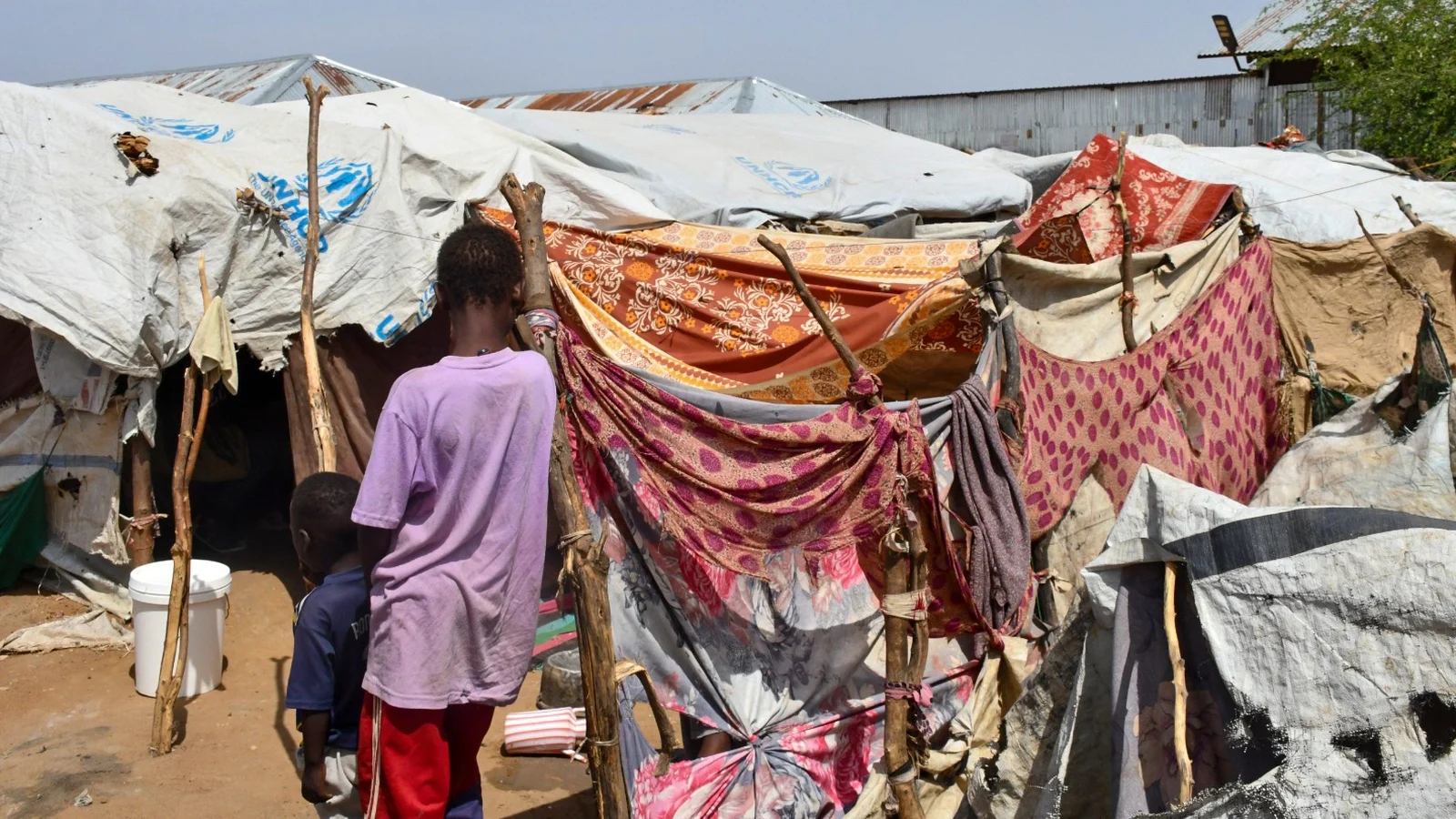
Jonglei State, a patchwork of savannah and riverine floodplains, has become the epicenter of a renewed round of violence. Since December, government forces and militias aligned with former vice-president Riek Machar have clashed repeatedly, driving people from their homes and trampling the fragile rhythms of planting and harvest. Hundreds of thousands are on the move, sometimes walking for days with children and livestock, sometimes squeezed into makeshift camps beneath the branches of trees that offer little shade from heat and insects.
“We used to plant sorghum and cowpea in the wet season,” said a farmer in Ayod County, voice low. “This year the fields lie bare. My son asks for food I cannot give him. What do I tell him? That one day there will be peace?”
That question — what to tell a child — now echoes across towns and hamlets that have found themselves at the blunt end of national politics. The country’s oil wealth, which once promised prosperity at independence in 2011, has largely failed to translate into widespread development. Instead, patchy governance, corruption and intermittent conflict have hollowed out public services, stunting the delivery of the most basic needs: water, health care, markets, education.
Numbers that demand attention
The figures in the report are stark and granular. Four counties across Jonglei and Upper Nile states are identified as being at risk of famine if the situation deteriorates further. An estimated 2.2 million children under five are projected to be acutely malnourished. Those numbers are not abstractions; they are toddlers with swollen bellies, mothers skipping meals, school-aged children too weak to attend class.
An international aid worker who has been coordinating food deliveries in Upper Nile described a familiar frustration: “We load trucks with food, but sometimes we cannot reach people because roads are blocked or our warehouses are attacked. Aid is a question of access more than abundance.” He paused. “We have the supplies on paper, but not the corridors to deliver them.”
Voices from the ground
Outside the displaced persons’ camp in Pibor, a woman wrapped in a colorful shawl offered a small, wry laugh that turned quickly to a sob. “We have the songs and the stories,” she said, “but not the food to sing about. The cattle are gone. The boys hide in the bush. When I cook, it is powdered leaves and hope.”
A local chief, his face lined from years tending both livestock and disputes, looked out over a field of scrub. “This land has fed my family for generations,” he said. “Now it feeds war. You cannot eat promises.”
Why this matters beyond borders
South Sudan’s crisis is not an isolated tragedy; it is part of a troubling pattern where climate variability, poor governance and conflict collide. In recent years, rising temperatures and unpredictable rainfall have stretched agricultural systems across the Sahel and the Horn of Africa. When conflict prevents communities from adapting or rebuilding, climate shocks turn into humanitarian catastrophes. Millions of dollars in oil revenue have flowed through the country since 2011, yet basic investments in irrigation, storage and infrastructure that would bolster resilience remain insufficient.
“This is a crisis of systems,” said a regional food security analyst in Nairobi. “You need seed, you need safe access to your fields, you need markets where people can sell and buy. When any piece of that chain breaks — especially because of violence — the effects reverberate for years.”
What is urgently needed
Humanitarian actors are calling for immediate life-saving assistance, but they also stress the need for longer-term steps: reopening humanitarian corridors, protecting humanitarian staff, investing in agriculture and livelihoods, and strengthening the delivery of public services. Donors have provided significant funds in past years, yet aid alone cannot substitute for political will and accountability.
- Immediate priorities: food distributions, therapeutic feeding for malnourished children, clean water, sanitation, and vaccination campaigns.
- Near-term needs: safe access for humanitarian convoys, ceasefires to enable planting seasons, and smallholder seed and tool distributions.
- Longer-term solutions: investment in climate-smart agriculture, local market rehabilitation, and transparent management of national resources.
“Saving lives now requires both trucks and treaties,” said a veteran humanitarian. “We need commitments at the political level that translate into safe spaces for people to farm, trade and live.”
Faces, not statistics
It is easy to be numbed by statistics. But numbers should not become a shield against empathy. Behind every figure are mothers who cannot feed their infants and teenagers placing their last grain on a tiny, flickering flame. We heard from a teacher who had converted her classroom into a soup kitchen: “When children come to learn and leave with food in their bellies, that is success. But I am tired. I am afraid the school will soon be empty.”
What would you do if your pantry was empty and the political decisions that shape your life were made thousands of miles away? What responsibilities do wealthy nations, oil companies, and international institutions have when the consequences of extraction and geopolitics land in a single mother’s bowl?
Where to from here?
There are reasons for cautious optimism: humanitarian organizations have deep experience in the region, local communities remain resilient and adaptive, and international pressure can prod political actors to honor ceasefires. But promises must be followed by clear, measurable actions: unimpeded humanitarian access, transparent resource management, and meaningful investment in the systems that turn drought into harvest rather than famine.
South Sudan is a young nation with a long history. Its people are not merely victims; they are farmers, poets, elders, teachers, and leaders who persist in the face of staggering odds. The looming hunger crisis calls for more than emergency appeals. It requires a recommitment to the idea that human life and dignity are not expendable bargaining chips in political struggles.
We can watch from afar, offering sympathy, or we can demand better of the institutions and leaders whose choices shape destiny. Which will we choose?