Before Dawn and Below the Influence: The Case for Dry Airports at First Light
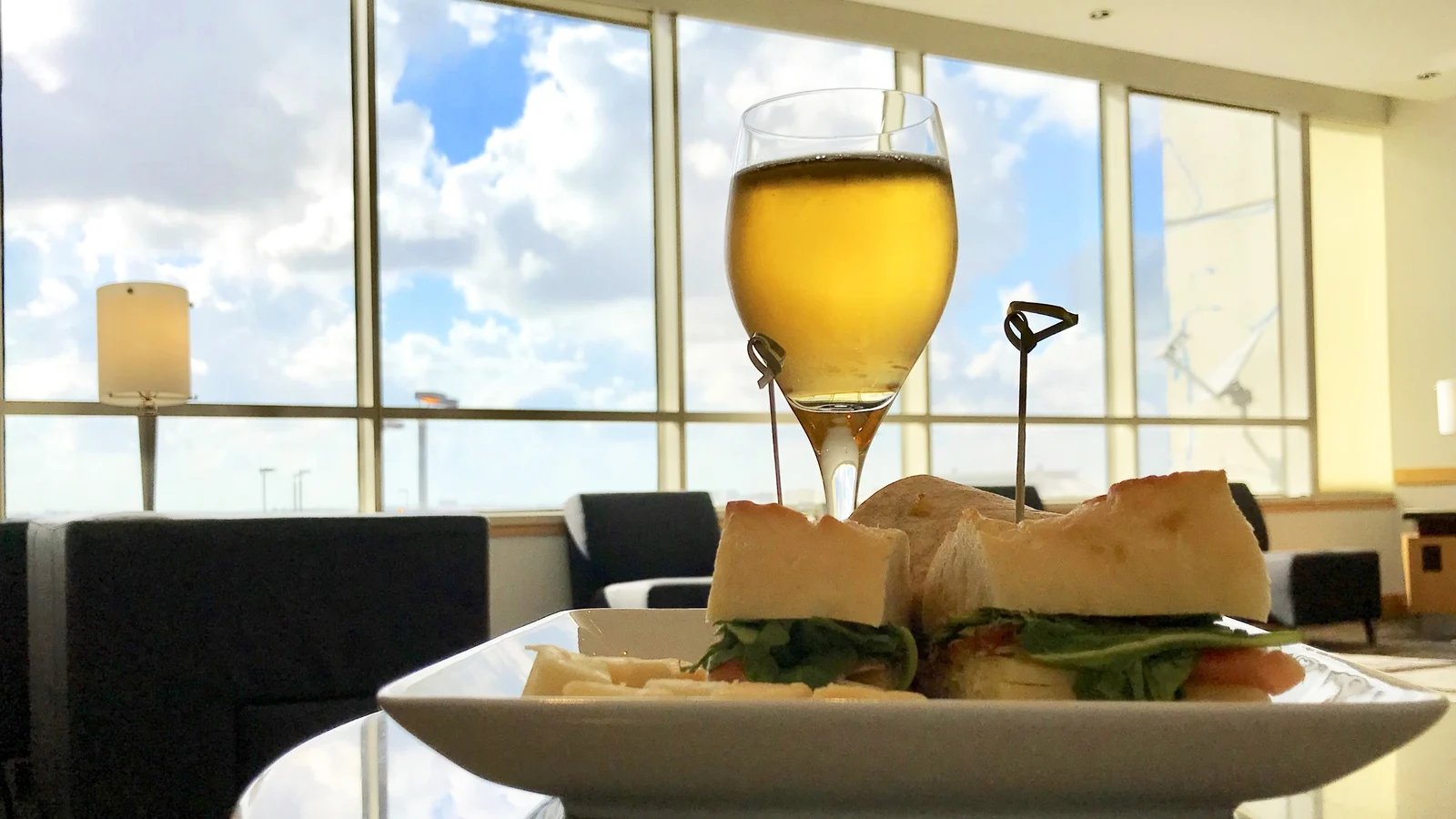
There is a certain hush to airports at five in the morning: conveyor belts groaning, a fluorescent strip of light over empty check-in desks, and the muffled announcements that sound both urgent and apologetic. But lately that hush has been broken by a different, more combustible sound—raised voices, slurred laughter and the metallic clink of glasses. Michael O’Leary, the combative chief executive of Ryanair, has stepped into that pre-dawn noise with a blunt prescription: stop serving alcohol at airport bars before the start of regular pub hours.
“It’s becoming a real challenge for all airlines,” O’Leary told The Times. “I fail to understand why anybody is serving people at five or six o’clock in the morning.”
He says Ryanair is diverting almost one aircraft every day because of boozy, aggressive passengers—an eye-catching figure that, if applied over a year, translates to roughly 300 diversions. Those are not just statistics on a spreadsheet; they are planes changing course, tired crews trying to de-escalate violence, and passengers delayed or frightened mid-journey.
The cocktail of commerce and chaos
This isn’t merely a row between an airline boss and airport landlords. O’Leary’s argument raises a wider question about the incentives built into modern air travel. Airports, flush with retail and hospitality revenue, often have different licensing rules than street pubs. That can mean alcohol sales during hours when a typical bar would be closed.
“Airports have built a business model around convenience and impulse,” said Anika Sharma, a transport economist who studies aviation revenues. “When you add duty-free offers and bars open at dawn, you create a setting where tens of thousands of people pass through in a heightened emotional state—tired, excited, nervous—and alcohol becomes a multiplier.”
Ryanair has proposed two main remedies: a blanket ban on alcohol during the hours that are outside normal pub licensing times, and a limit of two drinks per passenger that could be enforced through boarding pass checks. On the surface, it’s straightforward; in practice, it’s knotty. Who enforces it? Which jurisdiction applies in international terminals? And what does “normal pub hours” mean in a continent as diverse as Europe, where opening times vary by country?
Voices from behind the bar and beyond
Standing behind a battered oak counter at an airport café that opens at 4:30 a.m., a barista named Marta wiped down a tray and sighed. “We make our rent here,” she told me. “If the airport tells us to stop selling coffee with a splash of whiskey, my boss will argue the books. But the last time we had a fight at 5 a.m. a passenger threw a chair—no one wants that.”
An airport operations manager, who asked not to be named, described the business calculus differently. “Airports are multi-jurisdictional beasts. We have franchise agreements, licensing exceptions, and long contracts. Yes, security and safety matter, but revenue from food and beverage funds many passenger services. You can’t flip a switch without a long negotiation.”
Travellers have mixed feelings. “If a rule stops someone getting violent on my flight, yes,” said Tomás, a teacher from Madrid catching an early flight to Lisbon. “But if it just means I can’t have a small beer before a long trip, that feels nannying.”
Numbers and reality: A pattern of rising incidents
The anecdotal anger and the barroom bruises sit atop a documented rise in unruly behaviour since the pandemic. Industry groups and regulators have logged thousands of incidents in recent years. Airlines across Europe and North America reported a surge of aggressive incidents—many linked to intoxication—as travel rebounded off pandemic lows.
Beyond diverting aircraft, unruly passenger behavior has tangible costs: flight delays, emergency service deployments, and legal proceedings. Ryanair has attempted to deter bad behaviour with punitive measures—a €500 fine announced for passengers removed for misconduct—and a stronger stance on reporting offenders to local authorities.
“A handful of disruptive passengers can blow the safety case for a flight,” said Captain Elaine Murphy, a former airline pilot who now teaches crew resource management. “Crew have to manage the cabin, keep tens or hundreds of people safe, and if someone is violent or belligerent that’s a legal and medical risk. Alcohol reduces inhibition and raises volatility.”
Drugs, gender and the messy human equation
O’Leary has also pointed to another ingredient in the volatility mix: drugs. “A volatile mix of alcohol and people shoving powder up their nose,” he told the paper, adding—controversially—that “the women are as bad offenders as the men in this.”
The comment prompted a flurry of reaction. Some public health specialists warned against gendered stereotyping. “Substance misuse affects all genders,” said Dr. Laila Hassan, a substance use researcher. “But the real question is how to design upstream interventions—screening, brief interventions, sensible licensing policy—so that the airport environment is less conducive to risky behaviour.”
Practicalities and policy: What could a dawn dry-out look like?
If airports agreed to curtail alcohol sales before, say, 8 a.m., enforcement would be complex but not impossible. Boarding pass-linked drink limits could be implemented technically—QR codes scanned at venues—but that requires investment and cross-stakeholder cooperation. It also raises questions about equity: would business travellers who buy lounge access get different treatment? Would duty-free purchases be exempt?
Aviation policymakers must balance safety with rights and business interests. Some airports have experimented with alcohol-free early morning zones or voluntary staff training to spot and defuse escalation. Others have increased the presence of security and rapid response teams.
“We need a layered response—policy change, staff training, public messaging and, where necessary, technological solutions,” Sharma said. “But the easiest layer to implement now is a culture change. Airlines, airports and governments need to stop treating pre-flight drinking as an unquestioned rite.”
Rethinking travel rituals
There’s a cultural angle that resonates beyond terminals: the normalization of drinking as an integral part of travel. For some, a pre-flight pint is ritual—a way to mark the transition between home and holiday, or to steel oneself for an early start. For others, it’s a dangerous accelerator of poor decisions.
As you read this, perhaps you can picture your own last airport drink. What improved your trip—or made it worse? How do we balance personal freedom with collective safety? Those are not just regulatory questions; they’re moral and social ones too.
In the end, O’Leary’s blunt challenge is less about the exact hour when a bar should close and more about responsibility. “We are reasonably responsible,” he said in the interview, “but the ones who are not responsible, the ones who are profiteering off it, are the airports.”
Whether that argument will change the rhythm of early-morning airports across Europe—or simply spark another round of negotiations between airline and airport—is an open question. But the scene he describes is unmistakable: a vulnerable space, moving millions of people every day, where a small policy tweak could ripple into safer flights, calmer cabins and fewer diversions. Isn’t that worth debating?