A World Cup Sweating: When Summer Soccer Meets Rising Heat
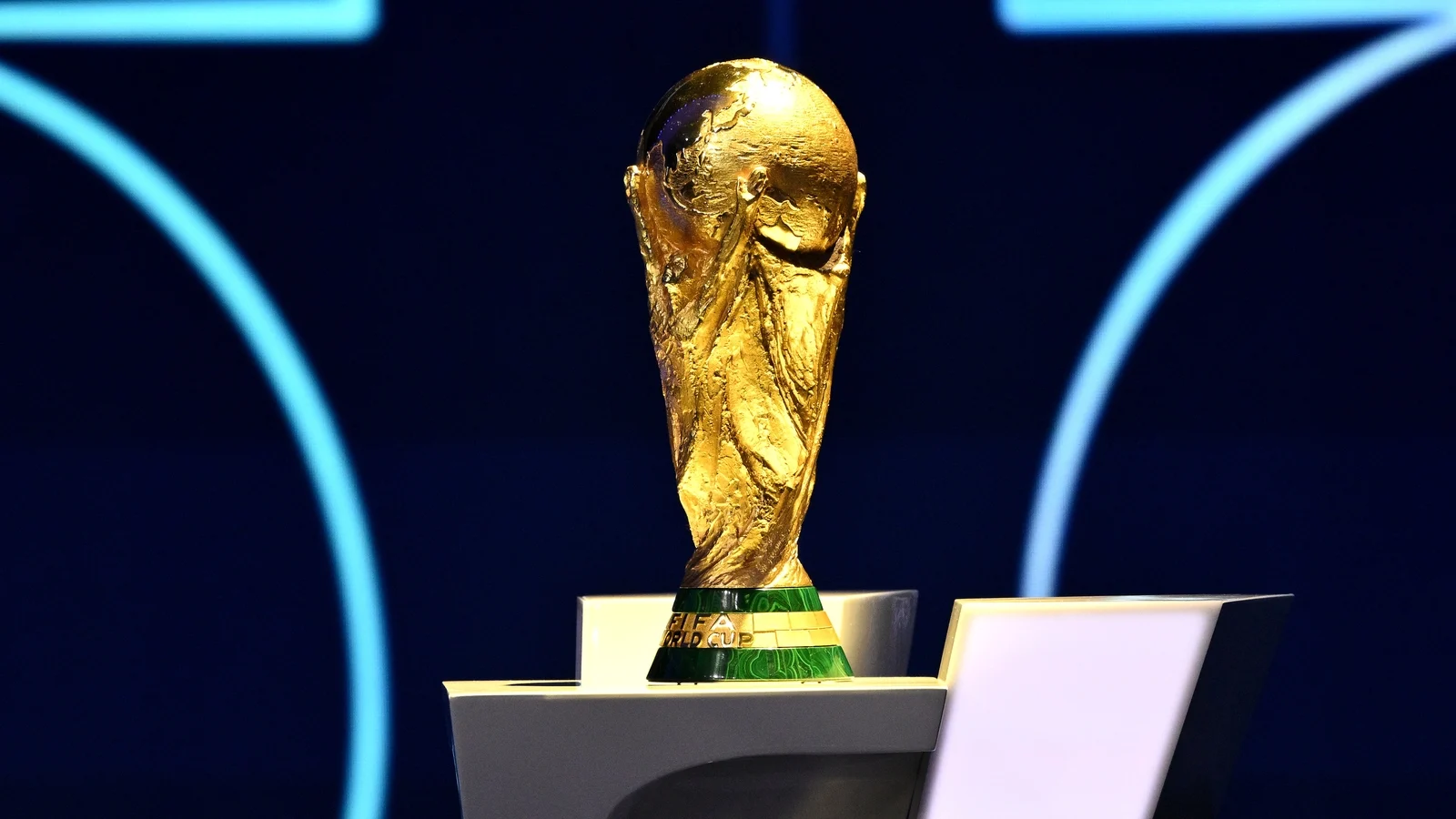
Close your eyes and picture a corner kick at dusk: the roar of the crowd, the stadium lights humming on, the taste of beer and sunscreen in the air. Now imagine the same scene in an oven — not metaphorically, but physically. That is the uncomfortable reality scientific teams are warning us about as this summer’s World Cup unfurls across 16 cities in the United States, Canada and Mexico.
A new analysis by climate researchers finds that roughly one quarter of matches — about 25% — are likely to be played when the Wet Bulb Globe Temperature (WBGT) exceeds 26°C. For athletes and fans, that figure matters. WBGT incorporates air temperature, humidity, wind speed and solar radiation to estimate how the body is stressed in heat. Most sports scientists treat roughly 28°C WBGT as a practical danger line for elite performers; beyond it, the risk of heat illness, lost performance and even collapse rises sharply.
Where the heat will bite
The study highlights certain cities where conditions look particularly perilous. Miami, Kansas City and the New York–New Jersey area sit on the higher end of the risk curve. The venue hosting the final, in the greater New York–New Jersey region, now faces about a 50% higher chance of heat-related disruption than it did during the 1994 World Cup held in the United States.
And while stadiums in places like Dallas and Houston boast powerful cooling systems, that trickle of relief does not extend to the fans streaming into open-air fan festivals — all 16 host cities are staging them — or to the lines of taxis, food stalls and long walks from parking lots to gates. In these outdoor environments the study finds roughly a one-in-three chance that temperatures will eclipse that 28°C WBGT mark during many matches.
What WBGT means in plain terms
Think of WBGT as the “felt” temperature multiplied by environmental cruelty. At 26°C WBGT, an athlete working hard begins to sweat more than they can evaporate. At 28°C and above, teams start confronting real physiological limits: core body temperature climbs, muscles fatigue faster, and the brain’s ability to coordinate and decide diminishes. Coaches notice mistakes. Medical staff grow more vigilant.
“I’ve fielded calls from sports directors already,” says Dr. Mina Patel, a sports physiologist in Toronto. “This isn’t about turning a game into a sauna—it’s about protecting human beings whose bodies are being pushed to the edge during a spectacle where millions are watching.”
Faces in the fan zone: real people, real risks
Walk the fan festival in Midtown Manhattan and you’ll hear different rhythms: the sizzle of street food, chants in half a dozen languages, and the shuffle of sunburnt feet. Vendors set up umbrellas, but shade is thin and queues are long.
“We sell sunglasses and cold drinks, but there’s only so much shade under a vendor tent,” says Javier Morales, who has been vending empanadas and cold agua frescas at festivals in Miami for a decade. “When the heat hits, people slow down. Children get cranky. Older folks look for a bench and a sip of water. It changes the whole atmosphere.”
Fans sense it too. “I love being here,” says Lena Thompson, a lifelong soccer supporter from Kansas City. “But after the first half of that last friendly here, my whole team was dizzy. I asked myself: are we asking too much of these players and of the people who come from out of town?”
Numbers that demand action
Concrete numbers help slice through the rhetoric. The study estimates about five World Cup matches could face WBGT above 28°C. Twenty-five percent of matches will likely exceed 26°C WBGT. All of this has become more probable because the climate backdrop has shifted: roughly half of human-induced warming has occurred since 1994, meaning summers are hotter and hot spells longer than they were in the last generation.
“Adjustments are no longer a luxury,” says Vincent Alvarez, a team physician with experience at international tournaments. “We need structured mitigation: mandatory cooling breaks, medical tents that actually cool people, more water points, and the option to delay or move matches if conditions are dangerous.”
What mitigation could — and should — look like
FIFA has pledged to monitor conditions and to activate extreme-heat protocols. But what can host cities realistically deploy at scale? Practical measures include:
- Mandatory cooling breaks during play and clear hydration protocols for teams.
- Shaded, temperature-controlled rest areas for fans and staff at fan festivals.
- Flexible scheduling, including earlier kickoffs and potentially shifting matches to cooler venues if necessary.
- Public health campaigns on recognizing heat stroke and when to seek medical help.
- Augmented medical staffing and field-side cooling equipment in high-risk venues.
“Those aren’t luxuries,” says Dr. Patel. “They’re the baseline for any physically intense international event in a warming world.”
Beyond the tournament: a broader conversation
This is more than logistics. It’s a test of how global sporting events adapt to a changing planet. Already, the World Cup in Qatar required a calendar rewrite; northern hemisphere summers are hotter now than they used to be, and that influences everything from athlete performance to the economics of hosting.
So here’s the question for readers: should the international sporting calendar be rethought in light of climate reality? Or are we better served by bolting on mitigation measures and carrying on? There’s no facile answer, but the debate matters — because it’s not merely about spectator comfort or television ratings. It’s about safeguarding lives.
As the first whistle blows this summer, watch how officials, teams and fans respond. Will the organizers enforce strict heat protocols? Will cities provide cool refuges and clear communication? Or will we chalk up collapses and fainting spells to “the heat of competition” and move on?
Whatever happens, this World Cup will be as much a trial of human endurance as it is a tournament of skill — and a vivid reminder that climate trends touch even our most cherished rituals. If sport reflects society, then how we protect players and fans in this tournament will say a great deal about how we answer bigger questions about climate, equity and public health in the years to come.