Downing Street on edge: a quiet cabinet meeting with a loud echo
There was a brisk, damp morning in Westminster when I walked past the black railings of Downing Street. A lone cleaning van hummed by; a tourist tried to take a selfie with the famous door blurred behind them. The mood inside, I’m told by aides who asked not to be named, was less photographic and more forensic — an administration steadying itself amid rumour, distrust and the raw mechanics of party politics.
Today’s routine cabinet meeting will feel anything but routine. It comes after the shock resignation of Health Secretary Wes Streeting and his public call for the prime minister to step down — a rupture that has ricocheted through Labour ranks and beyond. And it comes as Greater Manchester Mayor Andy Burnham has declared his intention to fight the Makerfield by-election, thrusting a high-profile regional figure back into national contention.
A mayor’s return, a prime minister’s stand
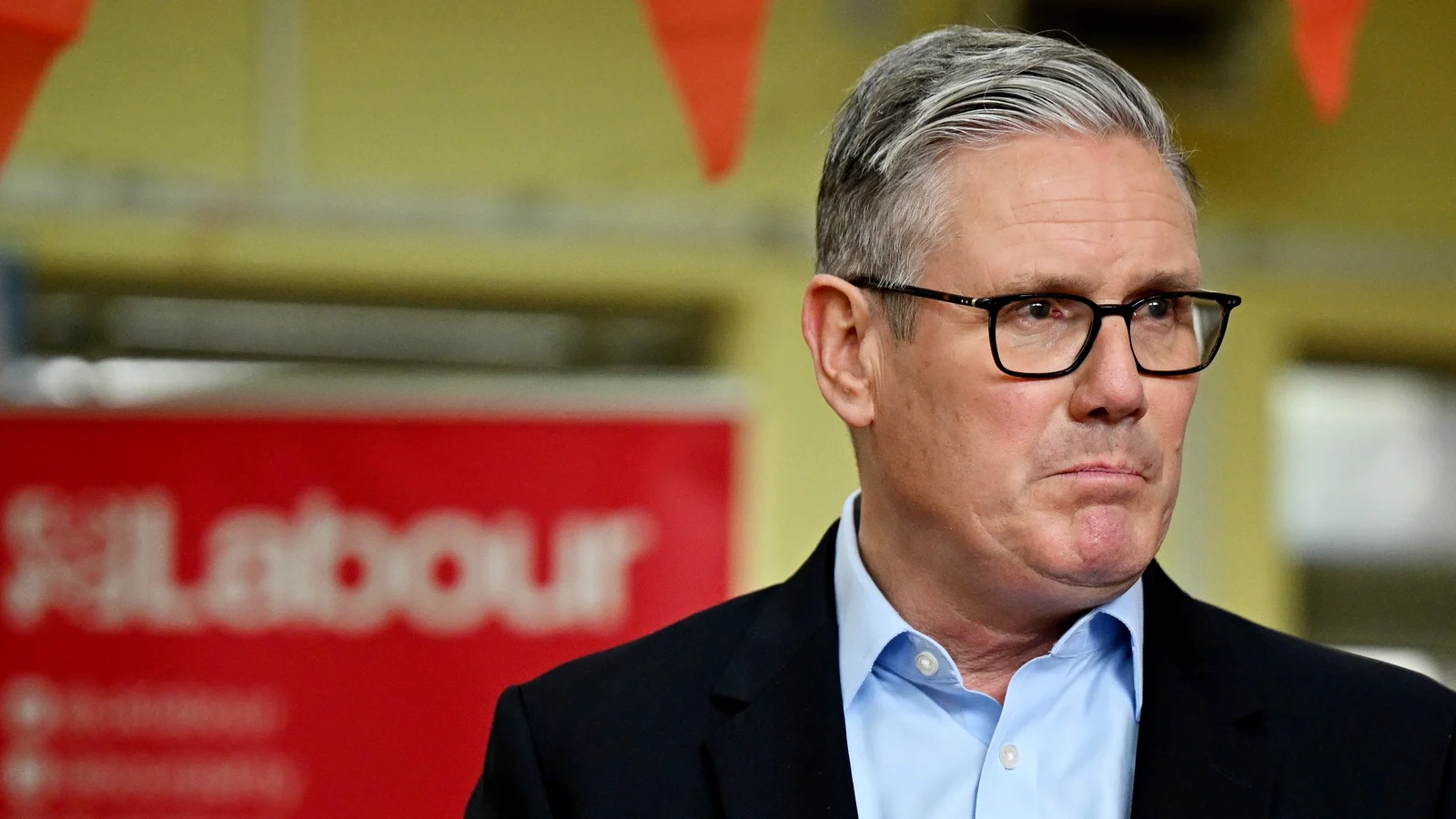
Keir Starmer has been adamant: he will not “walk away” from Number 10. He plans to face his ministers and colleagues today in a new-look cabinet — a visible act of continuity. Yet the questions hanging over the room are big and political, not administrative. What does a prime minister do when a once-loyal minister resigns and publicly urges them to quit? What happens when a popular regional leader flirts with a return to national politics?
Andy Burnham, at the heart of this drama, has been clear about his pitch. “A vote for me is a vote to change Labour,” he told crowds on the campaign trail, his voice carrying the cadence of a mayor who talks policy in plain language and wears his northern identity like a badge.
But the story is not yet an open-and-shut leadership challenge. If Burnham wins Makerfield, he would still need the written support of 81 Labour MPs to trigger a formal leadership contest — a threshold that would transform speculation into a full-scale battle for the party’s soul. As one long-serving Labour MP put it to me this morning, under the cover of anonymity: “Eighty-one signatures is a big ask. It’s a filter that separates a hot moment from a real campaign.”
Is he immediate or patient?
Not everyone expects Burnham to pounce instantly. Alex Sobel, the Leeds MP and a Burnham supporter, told LBC that an immediate contest was “not his expectation” — suggesting the mayor might step back into Parliament with an aim to serve if asked, to help “turn this Government round.”
So the narrative splits: a quick, dramatic showdown, or a longer, more tactical game of influence and persuasion that reshapes Labour’s direction without the trauma of an open contest.
What the polls are saying
Numbers matter. Public opinion (and crucially, party membership opinion) is a thermostat for leadership. A YouGov survey released this week illuminated sympathy for Burnham among party members and voters.
- 47% of Labour members named Burnham as their first choice for leader.
- 31% preferred Starmer.
- Angela Rayner polled at 8% as a first choice.
- Wes Streeting attracted 4% as a first choice, with 57% saying his resignation was the wrong move.
- In a head-to-head between Burnham and Starmer, 59% favoured Burnham to 37% for Starmer.
Such figures are not destiny. They are a map: showing where sentiment lies today, not necessarily where it will be tomorrow. Still, the data are a clarion call to the party’s managers and campaigners — and to Starmer himself.
Local color: Makerfield, Manchester and the mood on the ground
Makerfield sits in the broad, rolling patchwork of the North West — terraced streets, former mills, high streets with independent bakers, and a resilience that comes from decades of reinvention. Walk into the café across from the bus depot and you might hear a conversation lift: football, the price of a chip butty, and politics. “People here are fed up with decisions made by folks who’ve never seen the inside of a mill or a council chamber,” says Joanne Patel, a community organiser who has lived in the area for 25 years.
“We want local power,” she told me. “We’re tired of a bloated central state. We want money and decision-making to actually match what our councils need.”
Burnham’s messaging has tapped into that sentiment. In speeches he has described a “bloated national state and a malnourished local one,” arguing for more devolution of power — and pocketbook — to town halls and mayors. It’s a pitch that resonates in places where services are stretched and stories of underfunded councils have become everyday grievance.
Yet Burnham also took care to tamp down one of his prior, more provocative lines. He previously spoke of wanting the UK back in the EU within his lifetime — a statement that played into the national debate over Brexit. More recently he stated he was “not proposing that the UK considers rejoining” the bloc and warned against reopening the agitated arguments of the Brexit years. Locals I spoke with were relieved to see the mayor steady himself on that issue; many want energy on housing, health services and jobs rather than a rerun of the referendum debates.
What’s at stake for Labour — and for the country
At its heart this is a story about identity and direction. Is Labour a cautious, managerial party that governs to steady markets and institutions, or is it an energetic force for redistributing power and resources to the regions that felt left behind in recent decades? The answer will shape not just internal dynamics but national policy on devolution, public services and how the UK positions itself in a changing global economy.
Professor Helen Carter, a political scientist specialising in party politics, told me: “Leadership contests are rarely just about personalities. They crystallise visions. Burnham’s push is as much about policy — localism, devolution, redistribution — as it is about personality. For Starmer, the challenge is to show both competence and imagination.”
And there is a larger question for voters: do we prefer leaders who steady the ship, or leaders who throw the sails wide and try for new destinations? There is no universal answer. The preference depends on where you sit: an office in Whitehall; a council chamber in Manchester; a small business in Makerfield; a nurse in an overstretched hospital ward.
Scenarios and endings — for now
- If Burnham wins Makerfield and secures 81 MPs, Labour faces a leadership contest that could reorient the party.
- If he wins Makerfield but fails to gather support, he may still exert influence as a returning MP and major public figure.
- If he loses Makerfield, Burnham’s national ambitions could be checked, but his critique of centralisation will linger in the party’s debates.
Every political story leaves room for surprise. What felt inevitable a week ago can feel tenuous today. And that’s what makes observing this unfolding chapter in Labour politics — and in British public life — so absorbing. Will voters reward a call for change? Will members rally behind a steady hand? Or will the party find a compromise that blends both impulses?
Ask yourself: in a country still healing from years of economic strain and political upheaval, what do you want your leaders to prioritise — stability or transformation? The answer will help shape not just Labour’s next move, but the direction of British politics for years to come.