Nightfall in Tarsus: When Quiet Streets Became a Flashpoint
They say Tarsus breathes old stories—the Roman road, the citrus trees that scent the night, the slow procession of shepherds moving their flocks at dusk. On a recent evening, as the azan drifted over the olive groves and the sea-salt air from nearby Mersin cooled the pavement, that long memory of calm was broken by gunfire.
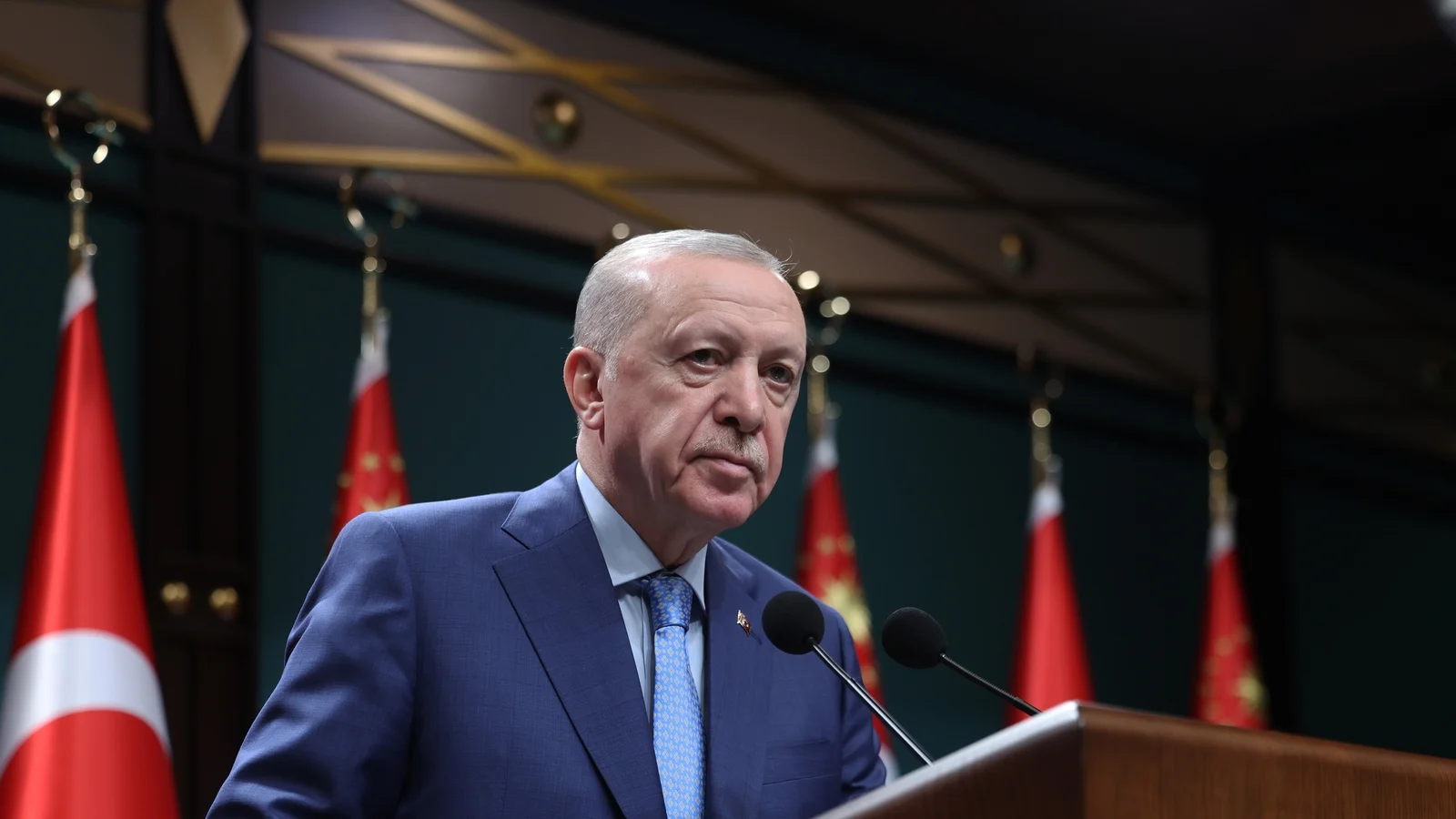
President Recep Tayyip Erdoğan later offered a terse public response: “We ask for God’s mercy on those who lost their lives,” he said in a broadcast statement, revealing that six people had been killed and eight wounded. The details, he said, were still being pieced together as security forces raced across the landscape to find the shooter.
Snapshots from the scene
What emerged in the hours that followed felt at once intimate and terrifying—a pattern that repeated itself in small towns and big cities across the globe. Local reports, amplified by state media, said the suspect, a 37-year-old man, began by killing his ex-wife at their home. From there, investigators say he moved to a nearby restaurant where he shot the owner and an employee. He then allegedly killed two more men: a shepherd keeping an eye on his animals and a passing truck driver.
“He came in without a word. We thought he was getting his telephone out, but he brought out a pistol,” said Mehmet Han Topal, a restaurant employee who was wounded in the leg and was quoted by local news agencies. “I got down. He fired at me.”
Helicopters crisscrossed the sky as police combed fields and back roads for a manhunt that stretched across the province. For a community used to the comforting regularity of evening prayers and market chatter, the sudden presence of sirens, spotlights and armed officers was a shock that rippled through families and neighborhoods.
Faces, Names, and the Small Details That Matter
It’s easy in the hours after an attack to talk only about numbers. Six dead, eight wounded—these are the stamps headlines need. But behind each figure is a life: a restaurant owner who greeted regulars with a familiar nod, a shepherd who tended his flock the way his father taught him, a truck driver moving goods along the coastal road.
“He was the kind of man who brought juice to kids in the summer,” said Ayşe, a neighbor who asked that only her first name be used. “You don’t expect that in this town. Not from someone you see every day.”
Stories like this force us to sit with uneasy contradictions. Tarsus is a place where traditions are strong and neighbors still borrow sugar over courtyard walls. Yet it is also subject to the same frictions that confront modern life—broken relationships, easy access to weapons, the slow erosion of social supports.
What the statistics tell us
Numbers alone cannot convey grief, but they can help us understand scope. Turkey’s population is roughly 85 million people, and according to a local non-governmental organization, there are tens of millions of firearms held by civilians—many, the group claims, without permits or registration. Independent observers and criminologists point out that unregulated weapons in circulation complicate policing and increase the likelihood of impulsive violence turning fatal.
The Tarsus shooting also comes after a troubling month: two separate attacks by teenagers shocked the country, one injuring 16 people and another claiming 10 lives, most of them young schoolchildren. Those incidents have fueled debate about youth alienation, mental health services, and social media’s role in radicalizing or amplifying violent impulses.
Voices from the ground
“We need to talk about how someone can go from a domestic dispute to killing strangers,” said Dr. Elif Yılmaz, a sociologist based in Ankara who studies violence in rural communities. “There are patterns: unaddressed trauma, social isolation, and—for too many—easy access to a firearm.”
A local police commander, who spoke on condition of anonymity because the manhunt was ongoing, told me, “Our priority is to bring closure to the families and to stop anyone else getting hurt. But these kinds of incidents are tests of coordination—between local officers, forensic teams, even the municipality.”
On the street corner near the restaurant, a tea vendor folded his hands and looked toward the hills where the shepherds kept their flocks. “We are small people,” he said. “We work with our hands. We know each other’s stories. This is a wound.”
Culture, control, and the rural landscape
Turkey’s Mediterranean belt—Mersin province, with its port and orchards—reflects a tapestry of livelihoods. Shepherding still threads the countryside. Tobacco and citrus are common crops. Coffeehouses hum with chess players and old men arguing over football. In many such places, informal dispute resolution and family networks once served as cushions against escalation.
But modernization, migration to the cities, and economic strains have frayed those networks. When that happens, domestic disputes can escalate, and firearms—if present—can change the outcome from an argument to a tragedy.
Questions worth asking
What responsibility do we bear as societies when weapons and unresolved personal trauma meet on a street corner? Can better gun regulation, more robust mental health services, and stronger community networks actually prevent the next attack?
“We cannot just react with words after every shooting,” said Leyla Demir, a Mersin-based activist who works with survivors of domestic violence. “We need structural change: enforcement of weapons laws, support for women at risk, hotlines, shelters, and education in schools about conflict resolution. Otherwise we are rearranging deck chairs.”
These are not new arguments. What often stalls them is political will, resources, and competing priorities. Still, the human cost—the funerals, the families who will carry this loss forever—generates pressure for action.
Beyond the headlines: a community’s reckoning
In the days to come, Tarsus will bury its dead, treat its wounded, and replay the night in endless, private ways. The manhunt may end with an arrest or may conclude with other unresolved questions. Either way, the town will be marked.
Readers around the world, who may be far from Turkey but not immune to its patterns, might ask themselves: have we become numb to these stories? Or can we let them prod us into conversations about how we structure safety, care for the vulnerable, and prevent violence from seeping into ordinary life?
“We are angry, we are sad, we are scared,” said a schoolteacher who stood in a small courtyard where children had once played freely. “But anger must become action. Not revenge. Not more guns. Real change.”
For now, Tarsus waits—waiting for answers, waiting for justice, waiting for a measure of peace that will allow its citrus trees to keep perfuming the evening air and its tea vendors to call out names as customers come for their cup. In that waiting there is grief, yes, but also the quiet hope that a community can learn, rebuild, and insist on a life in which violence is not the final word.