Smoke over the Volga: A Drone Strike Brings War to Syzran
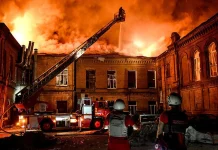
There is a strange intimacy to the way conflict arrives in towns like Syzran — not with a thunderous invasion, but with the mechanical whir of a drone, an explosion that rattles teacups, and the slow, unbearable counting of the dead. On a cool morning in Russia’s Samara region, that quiet horror unfolded: two people killed, several wounded, and an oil refinery — a low, humming presence on the city’s edge — startled into the harsh light of a battlefield reality.
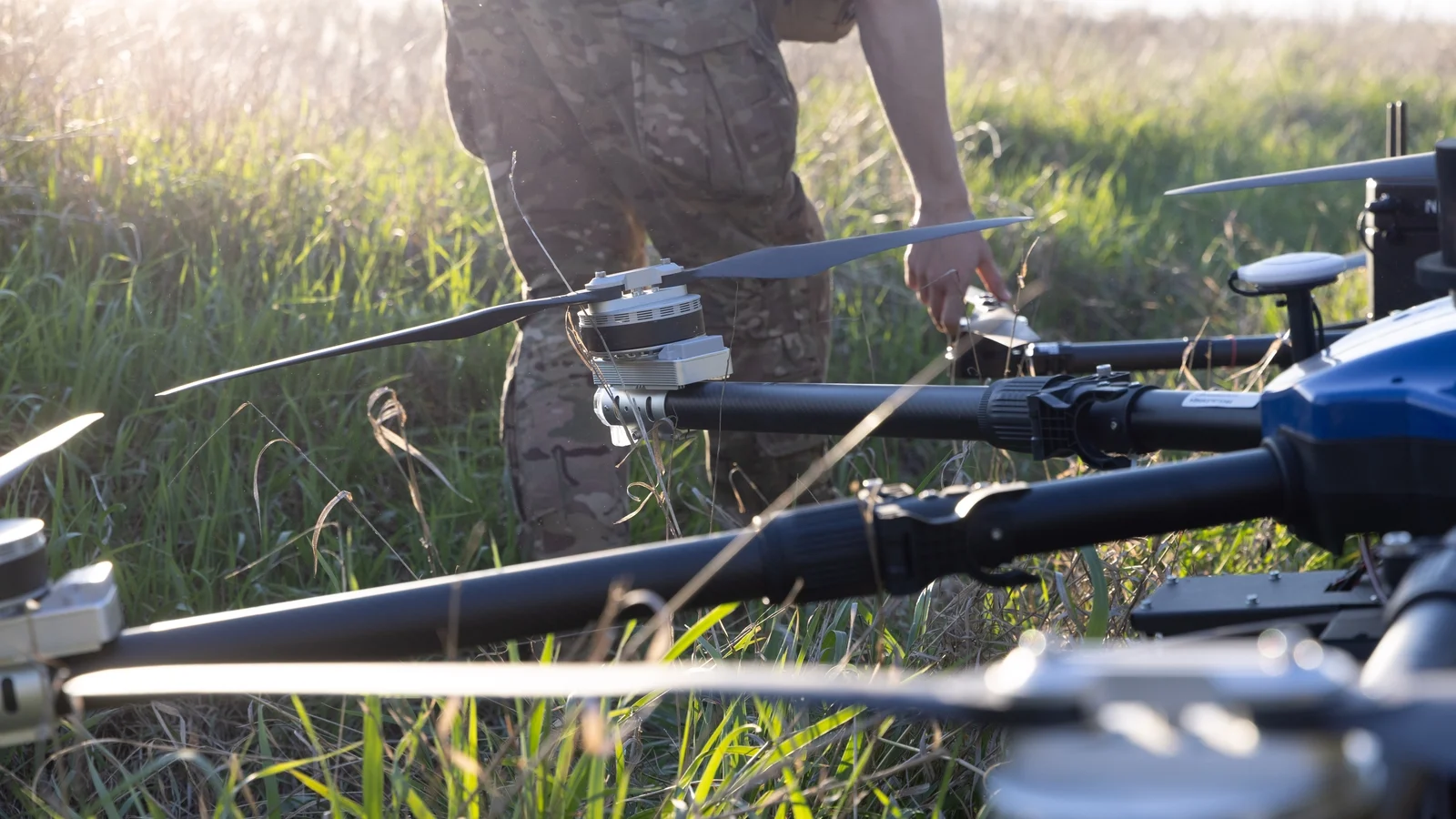
“The Ukrainian armed forces are attacking the city of Syzran with drones,” Governor Vyacheslav Fedorishchev wrote on Telegram, the official tally concise, clinical: two dead. Yet a tally is only numbers. Behind them are lives interrupted — a fishmonger who lost a son, a bus driver with shrapnel wounds, a neighborhood that will now watch the western skies with a new, permanent suspicion.
On the Ground
Walk through Syzran and you feel the town’s history underfoot: riverside promenades overlooking the Volga, Soviet-era apartment blocks, the occasional onion dome catching morning light. The oil refinery, a massive hulk of pipes and chimneys, is both lifeline and target. “We’ve always worked with that refinery in the background,” said Marina, a local nurse who asked that I use only her first name. “Now it feels like a target and a threat. You never expect to duck cover in your backyard.”
Outside a corner shop, Konstantin, a retired teacher, tapped his cigarette and watched a TV mounted on the wall play distorted footage of the strike. “This war was supposed to be over there,” he said. “I thought it would not reach us. But we can see that for both sides, geography has loosened like a map that no longer makes sense.”
From Tactical Drone Strikes to Nuclear Drills: The Escalation Thread
Syzran’s strike is not an isolated incident but a filament in a much larger weave of reciprocal attacks. Ukrainian strikes inside Russia have increased in frequency amid what Kyiv calls necessary retaliation for near-daily Russian bombardments of Ukrainian cities since the invasion that began on 24 February 2022. Kyiv says its operations target military infrastructure and energy installations — aiming to erode the finances Moscow draws from oil and gas to sustain its offensive.
Yet while drones can puncture a refinery’s veneer, other moves in this conflict recalibrate the global stakes. In recent days, Moscow announced that nuclear munitions were delivered to field storage facilities in Belarus as part of a three-day exercise. Footage from the Russian Defence Ministry showed trucks threading through forest tracks, cargoes unloaded under the cover of lightning-like searchlights. The specifics were shadowed in official language — but the message was stark.
The exercises involve the Iskander-M missile system, a mobile platform NATO calls “SS-26 Stone.” Its guided missiles boast a range of up to 500km and can carry conventional or nuclear warheads. For many analysts, the choreography — moving munitions to storage, loading onto mobile launchers, practicing clandestine redeployments — is a deliberate show of capability. “This is strategic signaling,” said Dr. Emilija Novak, a security analyst in Vilnius. “It’s meant to reassure domestic audiences while warning external ones: our reach persists.”
Kaliningrad, Lithuania and the Geography of Fear
Geography matters. The Russian exclave of Kaliningrad, wedged between Poland and Lithuania on the Baltic coast and home to roughly one million people, has been transformed into a militarized outpost. When Lithuania’s foreign minister suggested NATO should demonstrate the ability to penetrate Kaliningrad’s defenses, the Kremlin responded with fury, calling the remarks “verging on insanity.” Few things harden resolve like threats to what a country perceives as its defensive perimeter.
“Everyone here knows someone in the military or someone whose job relates to the region’s defenses,” said Liudmila, who runs a small café in a Samara suburb. “You feel the world squeezing — like pieces on a chessboard that keep moving and no one knows who will be taken next.”
Diplomacy on Hold, Risks on the Rise
On the diplomatic front, the path to de-escalation looks rocky. Washington — long the principal broker of assistance and pressure — has been pulled in multiple directions, including a separate crisis involving Iran. Ukrainian President Volodymyr Zelensky has said there were promising contacts with the United States and urged a return to “meaningful trilateral communication” that would include European partners and pressure Moscow to engage openly. “For our part, we are ready for such steps,” he said, urging transparency and accountability.
Yet political attention is a finite resource. With the United States and its allies juggling multiple global hot spots, the dedicated diplomatic energy required to resolve or de-escalate the conflict in Ukraine is harder to marshal. Without a clear channel for negotiation, military signaling — from drone raids to nuclear drills — fills the vacuum.
What This Means for Everyday People
For residents of Syzran and towns like it, the arc of the conflict has shifted from distant headline to lived experience. Local economies, already sensitive to global oil prices and supply chains, now face new uncertainties. Schools make contingency plans; hospitals stock emergency supplies. The collective mood hardens in ways that statistics cannot capture.
Consider these realities:
- Since the invasion in 2022, millions of Ukrainians have been displaced, reshaping families and communities across Europe.
- Energy infrastructure has become a strategic lever: attacks on refineries or pipelines reverberate far beyond local borders, affecting markets and heating bills across the continent.
- Nuclear rhetoric — whether signaling exercises in Belarus or strategic posturing over Kaliningrad — raises the temperature of international discourse and forces policymakers to weigh risks in new ways.
Questions Worth Asking
As you read this, ask yourself: what does endurance look like in a modern, protracted conflict? Is the normalization of strikes on infrastructure a quiet acceptance of a new wartime logic? And how should the international community balance deterrence with diplomacy so that the next provocation does not become the last?
These are not only geopolitical questions; they are the kinds that ripple through a bakery in Syzran, a hospital corridor in Kyiv, and a NATO briefing room in Brussels.
Looking Ahead
The scene in Syzran — smoke lifting off the river, men and women whispering about evacuation routes — might feel isolated. But it is emblematic of a broader truth: modern conflict blurs the line between front and home. As states deploy new tactics, from clouded drone strikes to nuclear drills shared across borders, the human cost grows in ways that cannot be fully compensated by strategy papers or press releases.
“We want peace,” said Marina, the nurse, returning to her cup of tea as if it could anchor her to a calmer world. “Not slogans. Not calculations. Just the chance to wake up without sirens.”
Perhaps that simple wish — ordinary, urgent, universal — is the clearest compass we have. If policymakers, neighbors, and readers can hold it in mind, maybe the next chapter of this war will be written with fewer explosions and more negotiation. The alternative is a future where normality is defined by readiness for the next strike, and where towns along the Volga learn to live under a sky that never feels entirely safe again.