When a Prime Minister Turns Up to a By-Election: Unity, Unease and the Taste of Northern Rain
There is a particular wind that runs through the streets of north-west England in early summer—sharp, full of the smell of wet asphalt and frying chips from the chippy on the high street. It moves through rows of brick terraces, past pubs with framed football scarves, and into the faded poster boards of campaigners setting up for a by-election. It was into that wind that Labour’s leader stepped this week, promising more than a speech: a visible pledge of solidarity.
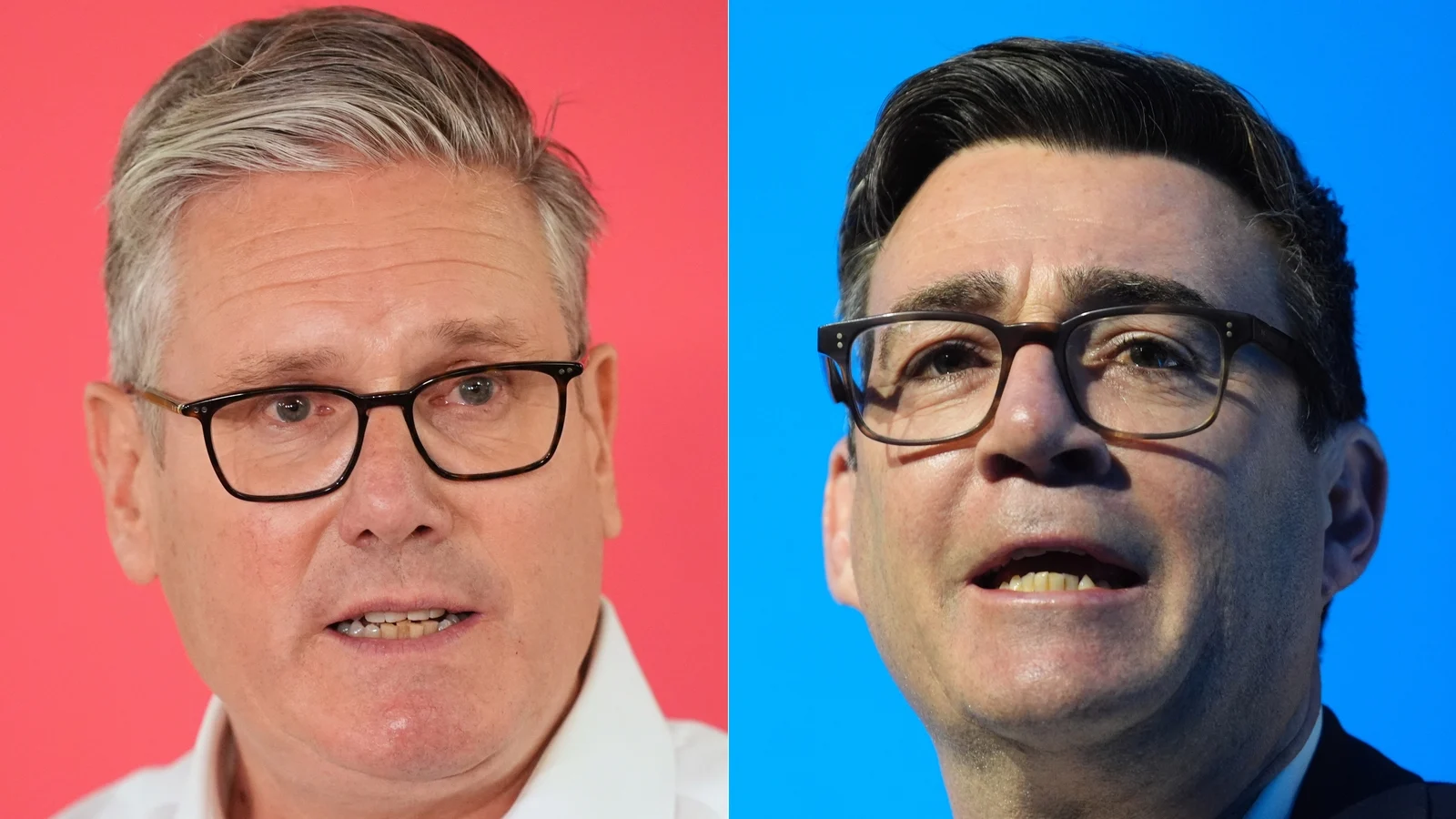
At the centre of the swirl is a simple political act that has grown heavy with symbolism. Keir Starmer, the British prime minister and leader of the Labour Party, has said he will campaign for Andy Burnham, the popular Mayor of Greater Manchester, ahead of the Makerfield by-election on 18 June. On its face, it is a classic party moment—one senior figure rallying behind another—but in the current climate it reads like a deliberate attempt at damage control, outreach and reassurance all bundled into one.
Why this matters
Labour’s recent setbacks in local and devolved polls have left a residue of unease that can be felt in Westminster and in kitchen conversations across towns like Wigan, Leigh and St Helens. Rumours of internal contests and leadership restlessness have been doing the rounds, and Starmer’s decision to throw his weight behind Burnham is as much about optics as it is about the battle for a single seat.
“It’s the language of unity,” said Rachel Moreno, a campaign strategist who has worked in several northern campaigns. “When a leader turns up in person it sends a message: we are not splintered, we will prioritise what unites us. But of course, people read between the lines. They ask: is this because you believe in the candidate, or because you need to show strength?”
Burnham, a familiar face across Greater Manchester—known for his steady presence in town halls and community centres—welcomed the support. His team emphasised the obvious: the contest is a fight between Labour and Reform UK, and every local doorstep conversation will matter. “Anyone who wants to embrace Andy’s campaign message is welcome on the campaign,” a spokesperson said, a line that reads both gracious and strategic.
On the doorstep: mood and colour
I walked the campaign trail for an afternoon and listened. At a bakery near the market, a woman named Linda, who has lived in the area her whole life, wiped flour on her apron and spoke with the blunt warmth of someone used to telling it like it is.
“If Starmer comes, it shows he’s not hiding,” she said. “We want to know who’s backing us. But what we want more is action—good buses, decent wages, clean streets. Words are fine, but show me the bus timetable that actually works.”
Down the lane, a young teacher with a Mancunian lilt pointed to the bee emblem stitched into a charity shop jacket—Manchester’s enduring worker-bee symbol of community resilience. “The north isn’t about slogans,” she said. “It’s about people actually feeling looked after. If the Party wants to prove it, it needs to mean it.”
Leadership whispers and a simmering contest
Behind the scenes, the air is thicker. Some within Labour have been openly speculating about leadership alternatives. Two names have lingered in conversations: Andy Burnham—whose local roots and high public profile make him a natural rallying point for northern voters—and Wes Streeting, the former health secretary, who has voiced policy positions that diverge in tone from the leadership on certain economic questions.
Streeting’s view on tax reform landed like a pebble that made small but widening ripples. He has advocated equalising Capital Gains Tax with Income Tax—a policy aimed at addressing what he sees as a fairness gap between income earned from labour and money generated through asset ownership. “We need a wealth tax that actually works,” a supporter of Streeting told me. “It’s about sending a clear signal: hard work and investment should be taxed fairly.”
That argument taps into a broader global debate: the scramble by governments to balance growth with inequality, to tax wealth without scaring off investment, and to answer voters who feel that the system privileges the few. In the UK, as elsewhere, this conversation is especially loud in post-industrial towns where the memory of manufacturing work and union halls is still vivid.
What the polls and pundits say
Analysts caution against reading too much into a single by-election, but the framing matters. “By-elections are magnifying glasses,” said Dr. Aisha Banerjee, a political scientist who studies party systems. “They’re not predictive, but they are diagnostic. If the national party looks fractured while trying to defend a seat against a populist challenger, that tells you something about voter confidence and party messaging.”
Reform UK, the rising right-wing challenger in many northern seats, has gained traction by tapping into frustrations over immigration, austerity-era memories, and a sense of betrayal by traditional parties. For Labour, the risk is twofold: losing the seat itself and allowing a narrative of disunity to harden in the public imagination.
More than politics: questions about identity and trust
Pause a moment and consider what this skirmish represents beyond the tallying of votes. This is a story about identity—regional pride, class memory, and the changing meaning of “Labour” in the age of service economies and platform work. It is also about trust: who do people believe when they hear promises about fairness and stability?
“People are asking whether the political class gets them,” said Marcus Elliot, a community organiser in Makerfield. “They have lived through factory closures, hospital cuts, and pay freezes. A leader showing up helps, but it’s the next move—policy, investment, visible improvements—that will decide trust.”
That is why Starmer’s repeated emphasis on “the steps we’ve taken to stabilise the economy” matters. It is a claim aimed at the centre ground: reassuring investors and voters alike that the government can manage the ledger and the lives that depend on it. For those who remember the financial shocks of past decades, that reassurance is not trivial.
What should you watch next?
Keep an eye on turnout, on the tone of door-knock conversations, and on whether Labour manages to translate national stability into local credibility. Watch for how Starmer and Burnham speak together—are they offering a shared vision, or simply a tactical alliance? And watch Wes Streeting’s moves: will he build a substantive policy platform or stoke leadership speculation?
These are not just Westminster games. They are the architecture of how towns in the north see their future. They will shape public services, tax burdens, and the stories that parents tell their children about what it means to belong in modern Britain.
Final thought
Politics is theatre and it is policy, theatre and plumbing. A prime minister on the doorstep can warm a room, but it’s the material changes—the buses, the schools, the jobs—that keep a light burning in people’s windows. So ask yourself: when a leader steps into your town, do you see an act of solidarity or a spectacle? Which will you believe—the promise of unity, or the daily evidence of better lives?