Bondi’s Quiet Broken: A Beach, a Minute’s Silence, and the Aftermath of Violence
On a raw, gray morning at Bondi Beach, the city held its breath. Waves moved in indifferent rhythm toward the sand, gulls circled, and 7.47am arrived like a metronome: one minute of silence for a community that, in the space of a single night, saw its ordinary life shattered.
Fifteen people were killed during a Hanukkah gathering on the shore — the deadliest mass shooting Australia has seen since the 1996 Port Arthur tragedy. The number landed in people’s throats and in headlines; it has also become the fulcrum for immediate, furious questions about how a country long proud of its post‑Port Arthur gun laws could be wounded so deeply again.
Scenes and Allegations: Training, Tactics, and Symbols
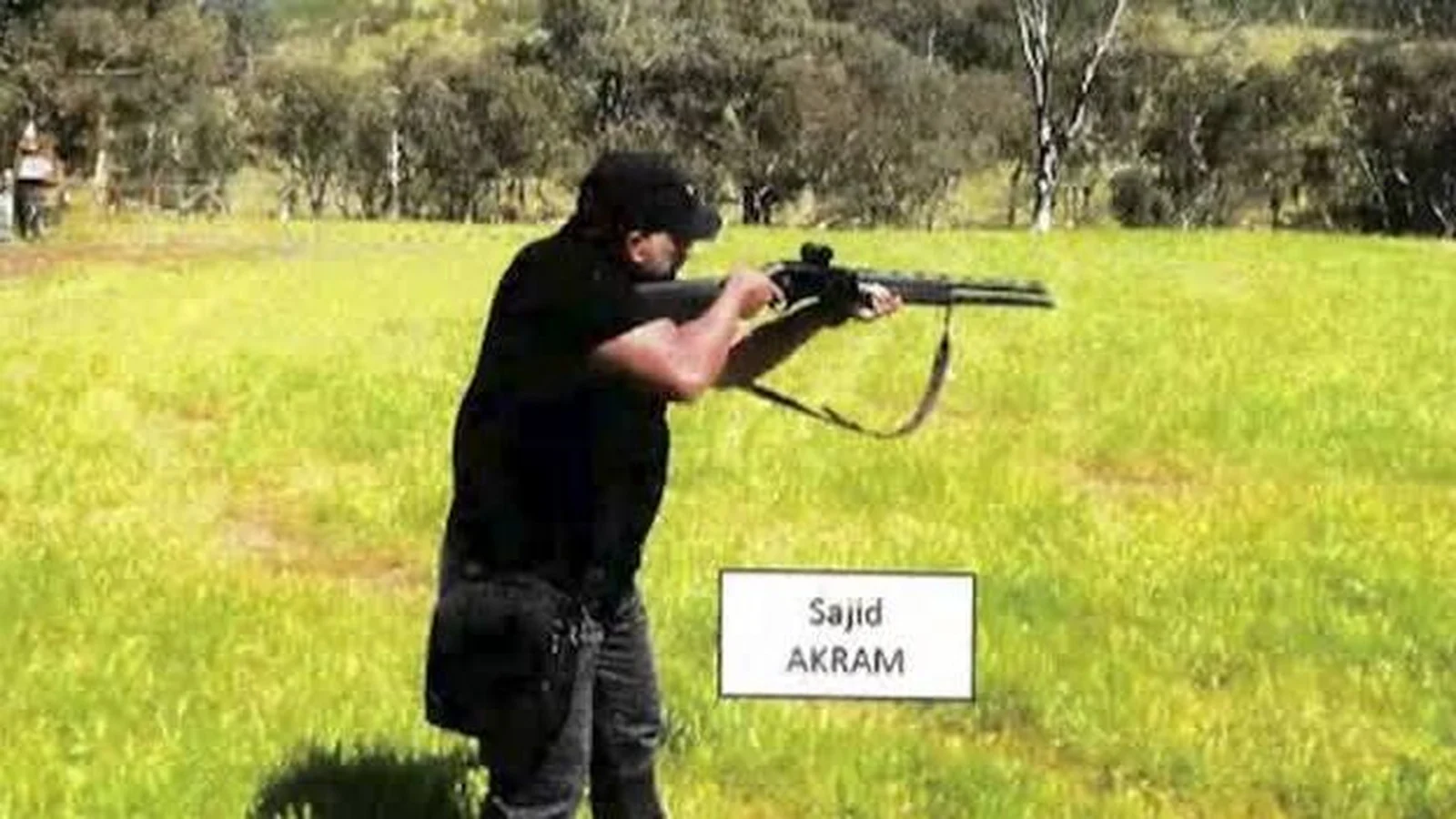
Police documents now allege that the two accused — a father and son — did not simply act on impulse. Investigators say the pair travelled into the New South Wales countryside to practise with firearms, and images released by authorities reportedly show them shouldering shotguns and moving in what officials called a “tactical manner.”
They are accused of scouting Bondi under cover of night days before the attack and of recording a manifesto-style video, sitting beneath an Islamic State flag, railing against “Zionists” and explaining their motives. CCTV footage has been cited showing them hauling “bulky items” in the hours leading up to the killings.
One of the accused, the father, died after being shot by police at the scene. The younger man, his son, was transferred from hospital to jail. In the press conference that followed, New South Wales police cautioned the public: these are allegations under active investigation, but the picture the authorities are painting is stark and deliberate.
A Country’s Response: Laws, Buybacks, and the Politics of Protection
Within days, Canberra and the New South Wales Parliament moved into crisis mode. Prime Minister Anthony Albanese — visibly shaken and calling the massacre “an atrocity” — promised a suite of legislative changes: tougher rules on hate speech and “an aggravated offence for hate preaching,” a new, large-scale gun buyback, and a review of the intelligence and policing systems that failed to prevent the attack.
“We’re not going to let the ISIS inspired terrorists win. We won’t let them divide our society, and we’ll get through this together,” Mr Albanese told reporters. He also expressed personal sorrow: “As Prime Minister, I feel the weight of responsibility… I’m sorry for what the Jewish community and our nation as a whole has experienced.”
New South Wales Premier Chris Minns announced what he called “the toughest firearm reforms in the country,” recalling parliament and pledging a cap on the number of guns an individual may legally own — four, with higher limits for some exempt categories, like farmers. Officials say there are more than 1.1 million registered firearms in the state, and Canberra described the buyback as the largest since the sweeping 1996 program that followed Port Arthur and collected roughly 650,000 firearms.
What the Reforms Would Mean
- Caps on private ownership and a large-scale buyback scheme.
- Bans on public display of “terrorist symbols” such as the Islamic State flag.
- Expanded powers to prohibit protests for up to three months after a terrorism incident.
- New offences targeting hate preaching and organised incitement to violence.
All of these moves raise immediate questions: Will stricter speech laws chill legitimate protest? How will authorities balance civil liberties with community safety? And can gun purchases be reduced quickly enough to matter?
Voices from Bondi: Shock, Solidarity, and a Community Recalibrating
Walking the promenade, you hear variations on the same stunned refrain. A lifeguard who’d kept watch over Bondi for 17 summers, Jemma Hart, wiped her hands on a towel and said, “I’ve seen surfers take risks every day — rough tides, storms — but never this. It feels like a breach of the ordinary trust we have with one another.”
Rabbi Daniel Weiss, who has led synagogue services in Sydney for decades, spoke with a mix of grief and resolve: “We are mourning our dead, and yet we must also insist on living fully and practicing our faith. If hatred is emboldened, then our answer must be to strengthen the ties between communities.”
On a small café terrace, an Afghan-born teacher, Lila Rahman, watched the sea and said, “We are all immigrants or children of immigrants here. I feel sorrow for the victims, and fear that some will use this to blame entire communities. That would be a second violence.”
Experts in radicalisation and security urge care before leaping to permanent policy decisions. Dr. Simon Keller, an academic who studies extremism, warned, “Tightening police powers and banning symbols can be useful tools, but they’re not substitutes for long-term social investment: education, integration, and digital counter-messaging. Violent radicalisation is often a social pathology as much as a security problem.”
Beyond Bondi: What This Moment Asks of Us
Australia has long been held up as a case study in how decisive legislative action — notably, the post‑Port Arthur gun reforms — can alter a nation’s fate. The specter of Sunday’s attack forces a reassessment: How do liberal democracies confront ideologically motivated violence when it intersects with online radicalisation, diasporic political passions, and the easy circulation of images and rhetoric?
Bondi’s remembered minute is a small and piercing ritual. But to prevent another, politicians are promising structural changes; citizens are calling for community dialogue; and neighbours who once passed each other with a nod now exchange worried, longer conversations. The moment is both legislative and intimate.
What kind of society do we want to be when the worst happens? Do we double down on law enforcement alone, or do we pair it with investment in prevention — schools, mental‑health services, community mediators, and platforms that remove inciting content quickly? Those are the arguments that will unfold in the coming months.
Questions for the Reader
When you think about safety in your own community, what trade-offs are you willing to accept between civil liberties and security? How should governments balance the urgent need to respond to violence with the equally urgent need to protect freedoms of speech and assembly?
Bondi’s sand will keep shifting underfoot, and the sea will keep telling the same old story of arrival and retreat. What has changed is our awareness that violence can arrive where we least expect it — during a celebration, at a beach, in broad daylight. The challenge now is to ensure that remembrance leads to meaningful change, not merely to rhetoric or fear.
As Australia retools laws and searches for signs of missed signals, the people of Bondi — lifeguards, shopkeepers, clergy, and kids who once built castles on that shore — are left to pick up the pieces. They are also, as they always have been, tasked with imagining a future that refuses to let terror rewrite who they are.