When a Vote Echoes Beyond the Chamber: Niigata’s Nuclear Crossroads
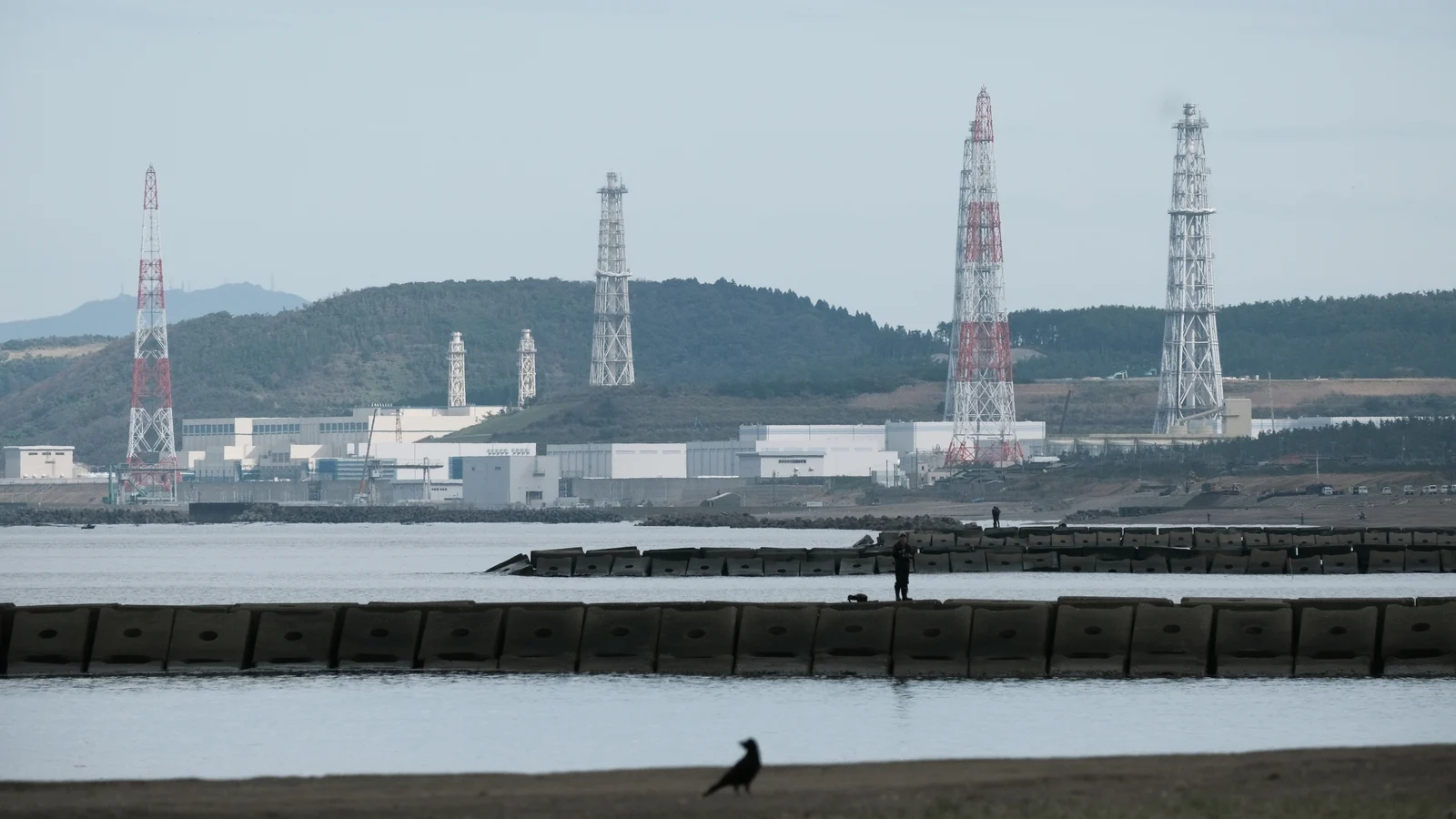
On a gray morning in Niigata, beneath clouds that promised snow and a wind that carried the metallic tang of the Sea of Japan, the prefectural assembly voted. It was a small room for a decision that feels anything but small: to endorse the restart of the Kashiwazaki-Kariwa nuclear complex, the world’s largest by capacity, and the first to be operated again by Tokyo Electric Power Company (TEPCO) since the 2011 Fukushima calamity.
The motion passed. It read like the end of one chapter and the uneasy beginning of another. Outside the hall, the air was full of chants, banners and the brittle patience of a community that has lived through a disaster most of the world can still picture: water, power, meltdown, evacuation.
At Ground Level: Voices from the Square
“It’s a political settlement, not a reconciliation,” said Aiko Saito, a young teacher who waved a hand-drawn sign reading “Never Again.” Her voice carried the weary steadiness of someone who spends evenings explaining complex history to curious children. “People here want safety, not promises wrapped in yen.”
Kenichiro Ishiyama, 77, came to the assembly from Niigata city with a cardboard placard and a memory as raw as it is long. “If something happens, it will be us who pay the price,” he told me. “We have nowhere else to go. This place is our home.”
Ayako Oga, 52, is both a resident and a living reminder of what went wrong in 2011. She grew up in a town inside the 20-kilometre exclusion zone around Fukushima Daiichi and fled with tens of thousands of others. “I can’t forget the sirens,” she said. “I still flinch at the sound of a heavy truck. We carry the fallout inside us.” Oga is one of many who have organized and marched in Niigata, insisting the lessons of Fukushima be written into policy, not footnotes.
Why Kashiwazaki-Kariwa Matters — Locally and Globally
To grasp what’s at stake, imagine a power station whose total capacity is 8.2 gigawatts — enough electricity to serve several million homes on a temperate night. Kashiwazaki-Kariwa’s seven reactors were all idle after the 2011 earthquake and tsunami; the restart plan would bring one 1.36 GW unit online next January, with another of the same size projected about a decade later.
TEPCO, the operator once at the center of international scrutiny following Fukushima, now stands at the helm of a project that could shift Japan’s energy balance. Prime Minister Sanae Takaichi and other national leaders frame these restarts as answers to two urgent problems: energy security and the crushing cost of imported fossil fuels. Japan spent roughly 10.7 trillion yen on liquefied natural gas and coal last year — about a tenth of its total import bill — and fossil fuels still account for an estimated 60–70% of the country’s power mix.
“This restart is more than local politics,” said Joshua Ngu, vice-chairman for Asia Pacific at consultancy Wood Mackenzie. “It’s a critical pivot if Tokyo wants to keep emissions goals within reach while meeting growing demand for electricity from data centres and industrial electrification.” He added, “Public acceptance of Kashiwazaki-Kariwa will be watched closely in capitals from Seoul to Washington.”
Money Talks — and Still Doesn’t Soothe All Fears
TEPCO has tried to sweeten the deal: a pledge of 100 billion yen (about $641 million) spread over a decade to the prefecture to support local infrastructure, jobs, and disaster preparedness. For farmers and fishers running generational trades in Niigata — famous for its Koshihikari rice and cold-water fisheries — such promises carry weight.
Yet pledges have failed to quiet the majority’s doubts. A prefecture survey in October found roughly 60% of residents did not believe conditions for a safe restart had been fulfilled, and nearly 70% expressed concern about TEPCO as the operator. Figures like these do not evaporate when checks are written.
The Political Landscape: Fragile Consensus, Fractured Trust
Governor Hideyo Hanazumi’s support for the restart was the hinge on which the assembly’s decision swung. “This is a milestone, but not the end,” he told journalists after the vote. “We must continue to protect the lives and livelihoods of Niigata residents.” His stance was backed in the chamber — but the closeness of the vote, and the tenor of the debate, underscored a deep cleavage within the community.
“We’ve held 14 restarts out of 33 operable reactors nationwide since Fukushima,” a government official said during a background briefing, reminding me how painfully slow and politically fraught Japan’s nuclear return has been. For many, the memory of evacuations — some 160,000 people displaced in the wake of 2011 — colors every policy decision.
Safety, Skepticism and the Shadow of 2011
TEPCO insists that the industry has learned its lessons. “We remain committed to never repeating such an accident,” said Masakatsu Takata, a TEPCO spokesperson, speaking in carefully measured tones. “We will keep investing in safety systems, training and transparency.” But to the protesters fasting outside the assembly, words are thin armor.
“I never imagined TEPCO would operate a plant here again,” Oga said. “We want answers that go beyond slogans. We want verifiable, independent oversight and a real plan for evacuation and compensation that doesn’t leave people in limbo.”
Broader Questions: Energy, Trust and the Future
The return of Kashiwazaki-Kariwa is not just a local story. It sits at the intersection of global debates: how to balance decarbonization targets with energy security, how to rebuild trust after institutional failure, and how to weigh the costs of fear and displacement against the quantifiable demands of households and industry.
Japan has set a target of doubling the share of nuclear power to around 20% of its electricity mix by 2040 — a bold aim in a country where the political and social calculus around nuclear energy remains unsettled. And while the nation’s population is shrinking, energy demand could rise as data centres and artificial intelligence services expand, sucking power like new digital leviathans.
What happens in Niigata will be watched not only by Tokyo but by cities and capitals around the world that face similar trade-offs. Can a company once synonymous with failure be trusted again? Can a community that remembers radiation accept a future that includes it?
On the Ground: The Human Cost and the Human Resolve
Walking the streets of Kashiwazaki after the vote, it’s easy to find neighbors who see the restart as pragmatic. The plant promises jobs, higher tax revenue and potentially lower electricity bills. “If it means a stable future for my son and fewer cold bills in winter, I’m for it,” said Masaru Takahashi, a factory foreman who paused to light a cigarette outside a bakery.
But even among supporters there was a wish for humility. “Don’t make us relearn what we lost in 2011,” a middle-aged nurse told me. “If you restart, fix everything that was broken — not just the machines.”
Final Thoughts: Which Way Forward?
As the night drew its curtain and the protesters drifted away, the questions remained. Can technical fixes alone heal a community’s trauma? Can economic incentives make up for the absence of trust? And as rich nations and developing ones alike wrestle with energy transitions, will this vote in Niigata be remembered as a pragmatic pivot or a missed opportunity to pursue safer, more resilient alternatives?
There are no simple answers. But there are people — farmers, teachers, evacuees, officials — who will live with them. They deserve plans that are rigorous, transparent and rooted in the lived experience of those who carry the scars. As the world watches, Niigata’s choice feels like a test not only of technology, but of democratic repair and moral imagination. What would you decide if those stakes were yours?