A cloak over Downing Street: how a high-profile envoy appointment turned into a crisis of trust
There is a particular kind of silence inside corridors that know they have been hurried. It’s the hush of civil servants who once moved at the deliberate pace of statecraft but who, for weeks, found themselves being pulled along at someone else’s agenda. That silence has become the soundtrack of Britain’s latest political storm: the short, scandal-strewn tenure of Peter Mandelson as the UK’s envoy to Washington and the difficult questions now ricocheting through Westminster, Whitehall and beyond.
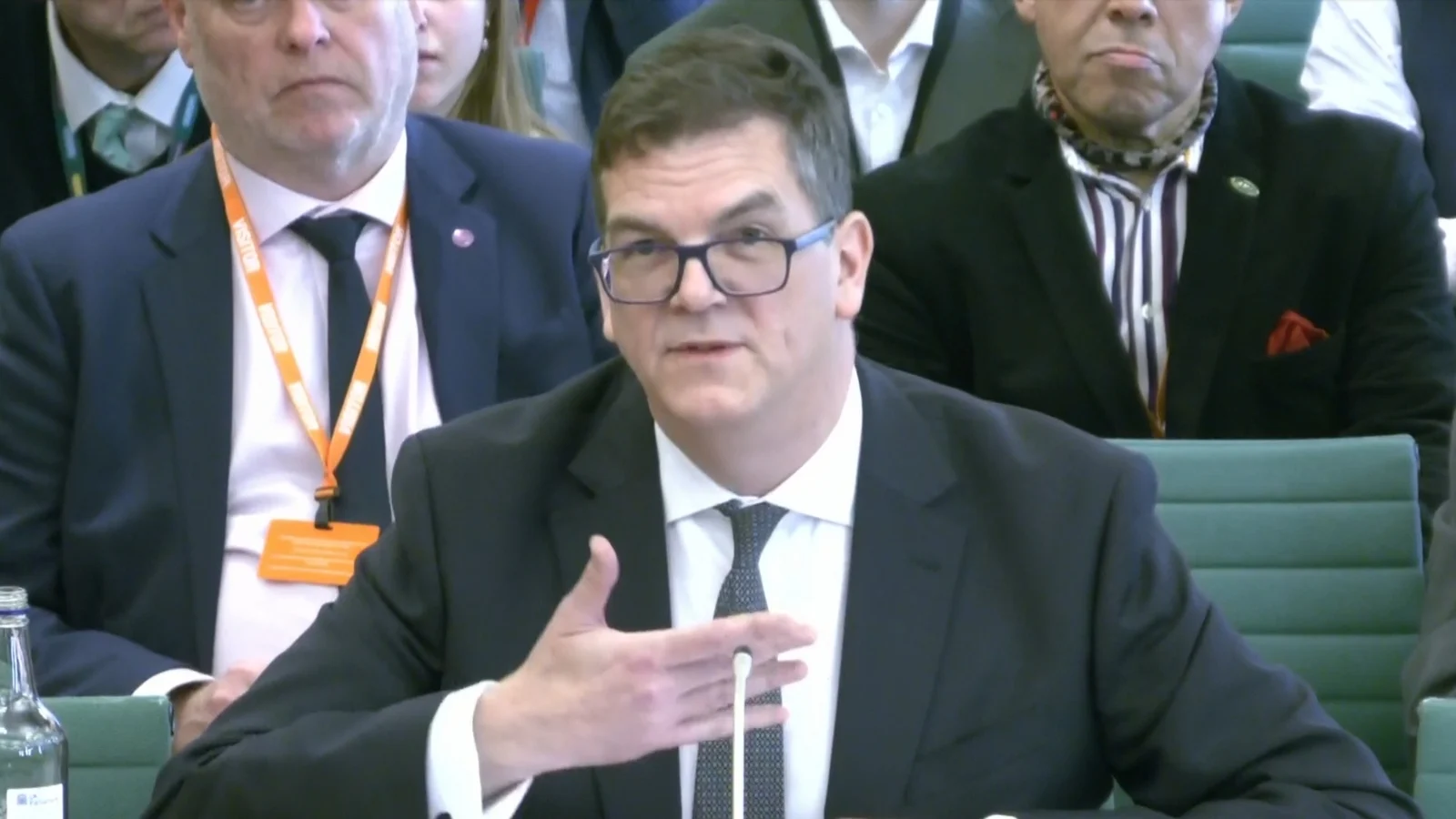
On a grey Tuesday in Parliament, Olly Robbins — until recently the most senior official at the Foreign Office — described a Whitehall environment bruised by pressure from the very top. “There was a very strong expectation coming from Number 10 that he needed to be in post and in America as quickly as humanly possible,” Robbins told MPs. “For my team it felt like constant chasing. That atmosphere influenced how we approached the vetting.”
The anatomy of a diplomatic appointment gone wrong
It sounds procedural, but vetting is the fulcrum on which national security and diplomatic credibility balance. For the highest posts — ambassadors to key allies like the United States — UK vetting typically runs through several stages, including Baseline Personnel Security Standards (BPSS), Security Check (SC) and the rarefied Developed Vetting (DV) for those with access to the most sensitive material. These aren’t boxes to tick; they are designed to identify risks that could be exploited by foreign intelligence or others.
In Mandelson’s case, the drama was not only in the mechanics of the process but in what the process flagged. Independent vetting officials reportedly leaned toward recommending denial of clearance. The Foreign Office security team, however, judged the risks manageable — and Downing Street, eager to see the appointment proceed, ratcheted up the pressure.
“We were told the risks could be mitigated,” Robbins said. “I was also told the risks did not relate to his relationship with Jeffrey Epstein.” It is a difficult sentence to parse because it contains both reassurance and warning; both are meaningful. Epstein, who died in a US jail in 2019 while facing sex-trafficking charges, throws a long and ugly shadow. Mandelson’s known past ties to Epstein were part of the public discomfort from the moment the appointment was announced in December 2024.
Why this matters: trust, transparency and the cost of haste
Why did Downing Street press so hard? The answer lies at the intersection of geopolitics and politics. An ambassador to Washington is not a ceremonial posting — the job is a pressure valve for the relationship between two powerful democracies. Yet speed can be a false economy. A refusal to grant clearance is not only inconvenient; it’s a blunt diplomatic fact that could rile an ally or reveal internal turmoil. “You have to weigh the immediate diplomatic hit against long-term integrity,” said Dr. Amina Chaudhry, a security analyst who has studied vetting processes in democracies. “But circumventing or sidelining independent risk assessments corrodes public confidence in those systems.”
There are also questions about the appearance of influence and access. Reports suggested that concerns about links between Mandelson’s now-shuttered lobbying firm and Chinese companies were among the security worries — not solely his associations with Epstein. Whether real or perceived, such connections matter in an era when Beijing’s economic reach is often viewed through a security lens by Western capitals.
Voices from the ground
Outside Parliament, reactions mixed between anger, bewilderment and a weary, familiar cynicism. “This is the same playbook we’ve seen before — appoint, defend, wait for the noise to die down,” said Tom Ellis, a junior diplomat who asked not to use his real name for fear of reprisal. “But there’s nothing routine about someone whose name keeps appearing beside one of the most toxic figures of the last decade.”
In a north London café, a passerby shrugged and asked, “Why does it feel like facts are negotiable now?” A former career ambassador, sitting over tea, was more blunt: “You don’t ship a top posting to Washington while the vetting team is telling you ‘don’t.’ That’s not boldness — it’s negligence.”
How this played out politically
The fallout was rapid. Mandelson, 72, who took up the post in February 2025, was sacked by Prime Minister Keir Starmer in September 2025 after fresh revelations about his ties to Epstein emerged. UK police now have an open investigation into alleged misconduct in office related to actions from more than a decade ago; Mandelson has been arrested and released and denies wrongdoing. The episode has triggered calls for greater accountability, with opposition figures arguing that the prime minister must explain what he knew and when.
Political theatre intensified when former US President Donald Trump — no stranger to weighing in on allies’ domestic affairs — commented that Mandelson “was a really bad pick,” while quipping that there was “plenty of time to recover.” Whether meant as advice, insult or both, it landed in a UK debate already heavy with questions about who in government calls the shots.
Broader themes and a moment of reckoning
This is not just a Westminster story. It touches on global anxieties about revolving doors between politics, lobbying and foreign business; about how democracies handle scandals tied to transnational figures; and about whether the impartial civil service can withstand political heat.
How should we think about the balance between political prerogative and institutional safeguard? When ministers override or discount independent security advice, is that democratic accountability or a perilous short-cut? And what does it say about a political culture if the first instinct is to accelerate an appointment instead of pausing for clarity?
“Institutions are more than a collection of procedures,” said Professor James Whitaker, who studies governance and public trust. “They are the assurance that the state will put country before convenience. Undermining them corrodes trust — not just in government, but in the country’s ability to stand by its own rules.”
Where do we go from here?
Starmer has launched a review of the vetting process, an acknowledgement that procedure needs scrutiny. But for many, a review does not feel like enough. “We need not only reform, but also a culture that respects the independence of those who do the vetting,” Robbins warned in his testimony. “If political actors view vetting as an obstacle rather than a safeguard, that’s a systemic problem.”
What would a reformed system look like? It might mean firmer legal protections for vetting bodies, clearer public explanations when exceptions are made, a more robust whistleblower framework — and perhaps most difficult — a political class willing to accept that sometimes the right answer is to say no.
As the sun sets on another Westminster day, you can almost see the outline of the questions left behind: Can institutions hold the line when politicians push? Will insiders be held to account, or cast aside as convenient scapegoats? And for citizens — at home and in friendly capitals like Washington — will the next appointment feel like a cautious, considered choice or another momentary fix?
These are not merely procedural queries. They speak to a deeper inquiry about who governs, how decisions are made, and whether the systems meant to protect the public interest are more than the sum of their parts. In the end, that is the question voters will want answered — not just by bureaucrats, but by the politicians who ask them to trust the process.