On the Brink: A Two-Week Truce and the Fragile Breath Between War and Wider Catastrophe
In a Tehrani alley where the sun bakes the tar and samovars hiss in storefront windows, life feels suspended — not peaceful, but waiting, like a city holding its breath before the next stanza of an old, violent song.
The latest lifeline — a two-week ceasefire between the United States and Iran — is due to expire. And with it, the small hope that the grinding, costly spiral of tit-for-tat attacks might be paused long enough for ordinary people to catch up on the groceries, repair broken pipes, or sleep through the night without bracing for the sound of explosions.
Delegations That Never Left
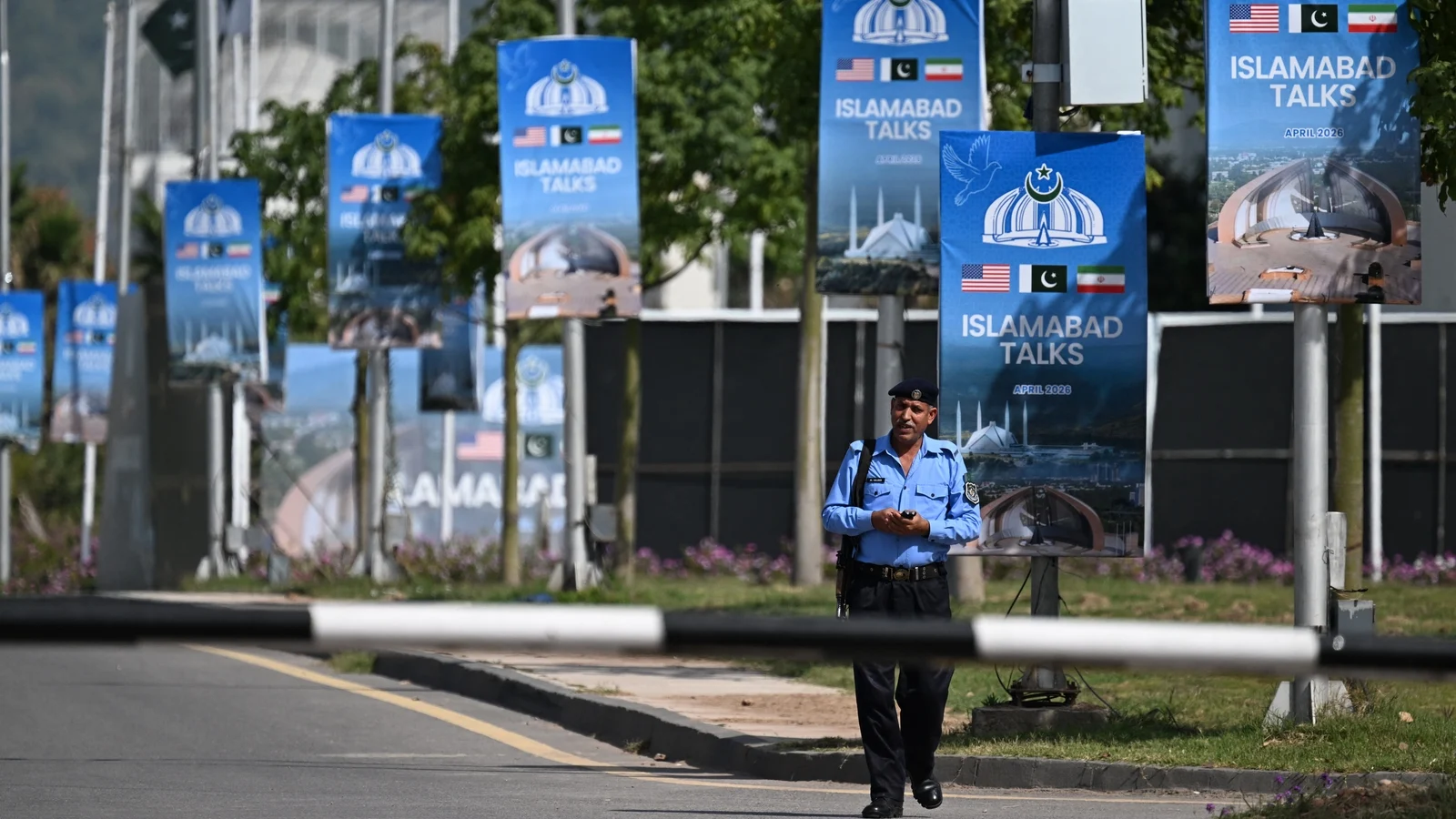
Officially, Iran insists it has not dispatched a delegation for follow-up talks in Islamabad. State television was blunt: no main, no subsidiary, no secondary group had departed for Pakistan. Across town, diplomats and analysts parsed that claim like an old book, looking for hidden footnotes.
The peace talks in Pakistan earlier this month were the highest-level conversations between Washington and Tehran since 1979, and for a moment they shimmered with possibility. Delegation seniority, observers said then, was a sign that both sides might be ready to stitch together a workable bargain. Yet the conversations collapsed without a deal.
“We came to the table because we had to, not because either side was ready to surrender its core demands,” said a foreign-policy analyst who has tracked the region for decades. “Now those core demands look immovable, and the truce sits like a bandage on a wound that someone keeps picking at.
Accusations, Blockades and the Strait of Hormuz
Since the breakdown of the talks, both sides have levelled public accusations of violations. The United States says Iran has fired on commercial vessels; Iran counters that US seizures and a declared blockade of Iranian ports have breached the agreement. Tehran, in turn, has closed the Strait of Hormuz once more — a chokepoint through which vast quantities of the world’s seaborne oil flow.
To put that in perspective: during ordinary times, the narrow channel sees roughly 120 transits a day, according to Lloyd’s List, the shipping intelligence service. In recent weeks the waters have been crowded not just by commercial tonnage but by a flotilla of what observers call “shadow vessels” — more than 20 of them, Lloyd’s reported, skirting and testing the edges of a US-enforced maritime perimeter.
“The sea has become a chessboard,” said a shipping captain who asked not to be named for fear of reprisals. “You’re watching for fast-moving craft in the dark and a radio signal that’s not answering. The danger is no longer just lasers and missiles; it’s confusion.”
The Mosquito Fleet: Small Boats, Big Disruption
One of the most unnerving realities is Iran’s so-called “mosquito fleet” — an irregular armada of speedboats, small corvette-like vessels, jet skis and other low-signature craft that specialize in asymmetric maritime warfare. Kevin Rowlands, who headed a strategic studies center connected to the Royal Navy, explained how such forces can make life at sea terrifyingly complicated.
“It’s guerrilla warfare on the water,” Rowlands told reporters recently. “The fleet uses speed, surprise and numbers. They may deploy missiles, gunboats, mines; they’ll slip out from behind an island, disappear among commercial traffic, and reappear. Against a conventional navy designed to fight peer competitors, this is deeply disruptive.”
Rowlands and others estimate that a sustained campaign by these small craft could keep the Strait of Hormuz effectively closed for weeks or even months. Imagine a vital global artery — already vulnerable and heavily insured — hemming up trade and energy shipments while the world watches and reacts.
Life Under Strain: Voices from Tehran
Back on the ground in Tehran, the war’s toll is not measured in tonnage or strategic gains but in grocery bills and quiet dread. Market stalls that once spilled with cilantro and pomegranate now do brisk business in rationed flour and gas canisters. Streets hum with conversation, but the talk is tired.
“This supposed pause has been a punishment,” said Leila, a 34-year-old primary-school teacher who has lived through sanctions cycles and supply shortages. “We were promised relief; instead the economy is tighter. I know parents who can’t afford the bus fare for their children. I know shop owners who closed because there’s no supply.”
Another resident, a 45-year-old taxi driver named Amin, shrugged when asked what would happen if the ceasefire crumbled. “Oscillation,” he replied. “We used to think of peace and war as different countries. Now it’s the same street with different weather.”
The Wider Front: Lebanon and the Shadow of Hezbollah
Meanwhile, on Israel’s northern border, the conflict’s other flank is fragile. Hezbollah has been engaged in deadly exchanges with Israeli forces; the group announced mass funerals for 44 fighters killed over six weeks of fighting. Israel’s defence chief has described the campaign in Lebanon as a mix of military pressure and diplomatic maneuvering aimed at disarming Hezbollah — “to remove the threat to our northern communities,” he said.
Despite the recent localized ceasefire, Israeli troops remain on the ground in southern Lebanon, and warnings continue for civilians not to return to evacuated homes — a grim echo of the ordinary calculus of modern asymmetric conflict, where civilian space is disputed and never entirely safe.
Markets, Oil and the Global Ripple
The economic reverberations are immediate. Oil prices, reacting to both the risk of renewed fighting and glimmers of hope for a negotiated extension, have bounced up and down; recently they fell while stock markets rose on lingering hopes of a deal. But those shifts are cosmetic compared to the structural risks.
- About 120 vessel transits typically move through Hormuz every day (Lloyd’s List).
- Over 20 “shadow vessels” have been tracked near the US blockade (Lloyd’s List).
- Estimates from maritime experts suggest Iran’s small-boat tactics could disrupt the strait for weeks or months.
In practical terms, disruption at Hormuz affects refineries, shipping insurance premiums, and national energy strategies from Tokyo to Rome. It forces countries to consider alternatives — pipelines, longer shipping routes via the Cape of Good Hope — all of which cost time and money in an already tight global market.
Why This Matters — Beyond the Headlines
So what should we notice beyond missiles and soundbites? First, this is not a conflict limited to combatants. It reaches into kitchens, classrooms and hospitals. It pressures fragile economies and tests the seams of alliances. Second, the form of the fighting matters: asymmetric tactics — from shadow vessels to speedboats — level certain playing fields and complicate traditional military advantages.
And finally, diplomacy — slow, messy, imperfect — remains the only mechanism that can realistically stop escalation. The absence of a delegation in Islamabad is not merely bureaucratic; it is symbolic. It tells a story about mistrust, negotiating leverage and the hard-to-bridge demands on either side.
Questions to Sit With
As a global reader, ask yourself: how would a longer closure of Hormuz affect the price of heating fuel this winter where you live? What would prolonged instability mean for supply chains that already creak under pandemics and climate shocks? And perhaps most importantly: who pays the steepest price when diplomatic talks stall — commanders in capital cities, or the families in the alleys and markets who simply want to live?
The ceasefire may end tonight, or it may be extended. Whatever happens, the choices made in the coming hours will ripple far beyond the sites of firefights. They will reshape the everyday lives of millions, determine the steadiness of global trade routes, and answer, at least for a moment, whether restraint can outlive rhetoric.
For now, Tehran polishes its windows and counts its losses quietly. The world watches, waiting to see whether the fragile pause will hold — or whether it will shatter, and with it a chance to step back from a wider, bloodier horizon.