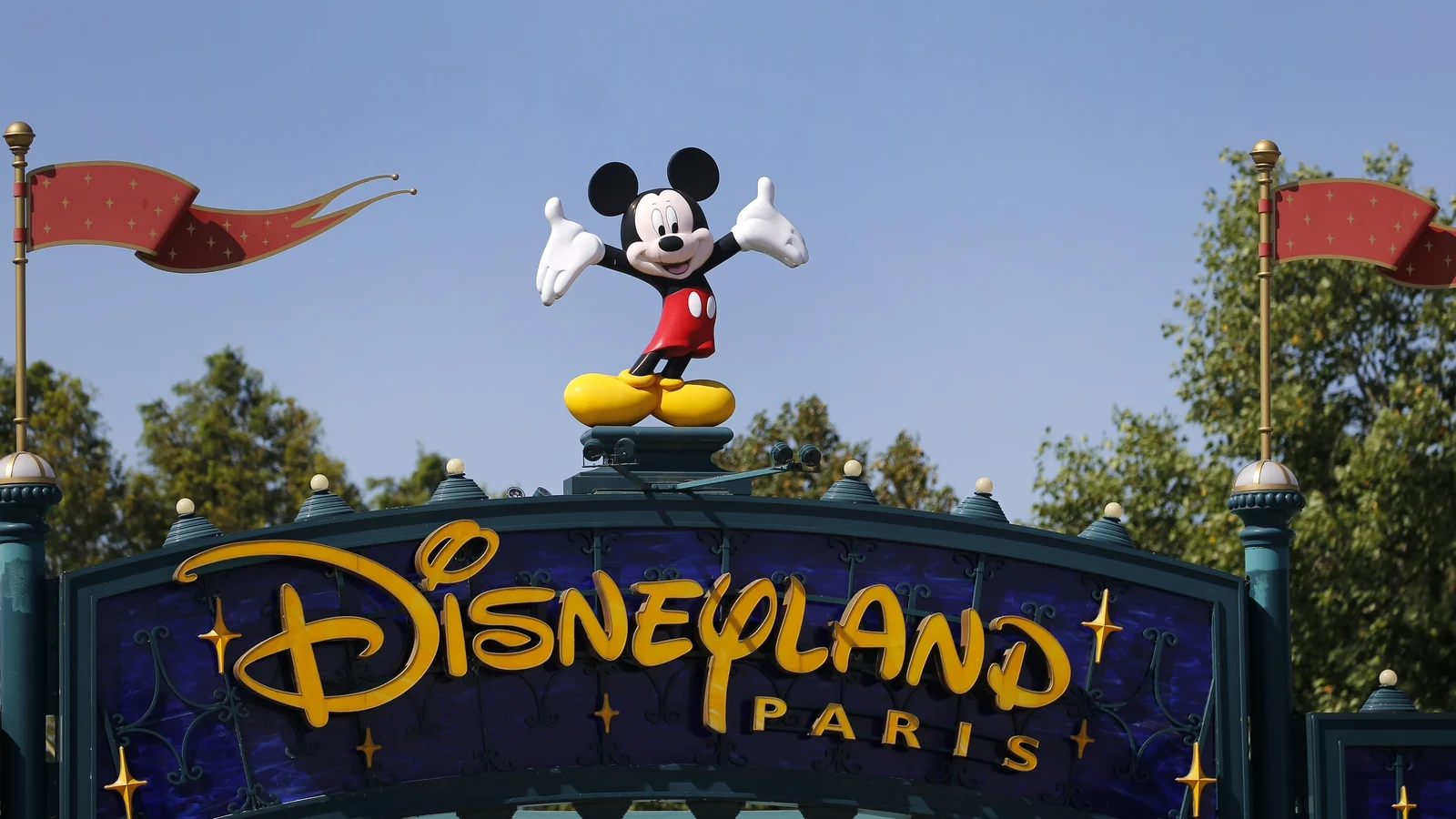
The Hidden Engine Behind the Mouse: How Disney’s Parks Became the Profit Powerhouse
There’s a smell that walks ahead of you at a Disney park—burnt sugar and cinnamon, a sweet, rehearsed nostalgia that follows families down Main Street U.S.A. It’s a scent that’s been bottled and sold, commodified into plush toys, streaming shows, and, increasingly, the hotels, restaurants and experiences that sit behind the turnstiles.
Most conversations about Disney begin—and sometimes end—with the movies and streaming numbers. Did the latest blockbuster cross a billion? How many new subscribers did Disney+ add this quarter? Those are headlines. But if you step past the marquee and into the balance-sheet, you find a different story: the parks and resorts—the Experiences arm—are the financial heart that keeps the rest beating.
Numbers that Speak Louder Than Fireworks
In the most recent financial year, Disney reported roughly $94.4 billion in revenue across its sprawling empire. Break that down and you find three broad geographies of business: Entertainment (movies, TV, streaming), Sports (principally ESPN and related networks), and Experiences (parks, resorts, cruises, retail and vacation clubs).
On the surface, Entertainment draws the most revenue—about $42.5 billion—yet profits tell a different tale. Of Disney’s $17.5 billion in operating profit, Experiences contributed almost $10 billion—around 57% of the total. Sports added about $2.9 billion and Entertainment just under $4.7 billion. Even if you strip out merchandising—consumer products accounted for roughly $2.18 billion of that Experiences profit—the parks and travel business remains the dominant margin generator.
Translation: the films and streaming content are extraordinarily valuable, mostly because they feed a deeper objective—turning viewers into visitors.
A World Built to Pull You In
Walk the map and you see how deliberate this is. Disney operates major resorts in California, Florida, Paris, Tokyo, Shanghai and Hong Kong; a planned presence in Abu Dhabi is on the horizon. There’s a cruise line—six ships at a time—vacation clubs and a handful of remote properties from Hawaii to Vero Beach. There are packaged ‘adventure’ trips tied to National Geographic and, more recently, an experiment in fully planned residential developments—“Storyliving by Disney.”
Each film, every show, and the ceaseless drip of nostalgia from reboots and classic character merchandising funnel attention into a single goal: an on-site experience where the company captures the diner, the hotel room, the FastPass (or its paid successor), and the selfie. That funnel is extraordinarily efficient.
Local colour
“People come for the castle but they stay for the little things,” says Sophie Martin, a primary school teacher from Paris who brings her two children to Disneyland Paris every few years. “The little shops on Main Street, the parades. We spend on food, on a princess dress, on photos—each one is small, but they add up.”
Ask a cast member and you’ll hear the mechanics: “We sell them a moment and then 100 ways to extend it,” says Carlos Rivera, a former attractions lead in Orlando. “It’s immersive and brilliant, and it’s designed to get you to open your wallet again and again.”
The Slow Burn of Price Hikes
That brilliance has a grit side. Over the past half-decade, ticketing and on-site prices have climbed in a way that many families have noticed. A one-day adult ticket to Disneyland Paris that averaged about €74 in 2019 is now commonly north of €100—and peak summer days often exceed €130. Child tickets rose in step. Dynamic pricing, introduced more widely across parks, makes an exact cost a moving target.
The guest experience has also been redesigned. Free FastPass systems that once allowed families to book ride times without additional cost have largely been replaced by user-paid queue-skipping options. Complimentary perks—some breakfasts, occasional shuttle or parking benefits—have been trimmed. Add steep hotel rates, pricier food, and incremental fees, and the day’s total can morph from a treat into a small mortgage.
“We saved for years for our kids’ Disney trip,” confesses Maya Patel, a mother of two in Mumbai. “When we went, the price of food alone was shocking. It wasn’t just the tickets; it was everything once you’re there.”
Who Pays—and Who Gets Priced Out?
That friction has two outcomes. One, Disney still draws crowds. People who treat a visit as a rare, celebratory purchase—or those who are deep fans—accept the price because the memory economy is persuasive. Two, a new demographic has emerged: the “Disney Adults,” childless singles and couples who visit frequently, combining fandom, nostalgia and disposable income into repeat business.
“We’re seeing more adults who can afford to spend on experiences rather than goods,” explains Professor Anna Müller, a tourism economist at the University of Amsterdam. “But there’s a ceiling. If the parks become the preserve of the wealthy, Disney risks losing a crucial middle-income audience whose long-term loyalty matters for merchandise and media views.”
And then there’s an uncomfortable story of overreach: anecdotal reports and long-form pieces have highlighted people running up debt to finance regular park visits. Spending becomes part of identity—an expensive hobby rather than an occasional treat.
Leadership, Strategy, and the Road Ahead
Disney’s board recently elevated Josh D’Amaro—the executive who ran the Experiences division and shepherded the parks through a tumultuous pandemic—to a top leadership role. That move underscored a truth few in the industry dispute: the parks are not merely a division; they are the company’s economic engine.
“He understands the alchemy,” says industry analyst Marcus Lyle. “He can design experiences that drive economic behavior. But design is different from stewardship—if strategy tilts too far into extraction, it can erode the goodwill that makes the brand valuable.”
There’s evidence the company knows this. Leadership discussions have reportedly flagged worries about losing middle-class customers. CEO statements have stressed value and attendance metrics, but concrete turnarounds on pricing remain limited. The balancing act is delicate: preserve profitability without hollowing out the emotional bond with fans.
What This Says About Our Times
Disney’s playbook illuminates a larger trend: in an era where streaming makes content ubiquitous, companies are monetizing scarcity via place. In-person experiences—authentic or staged—have become premium commodities. Nostalgia, too, is a market force, driving people to pay for the past to feel settled in the present.
But as we funnel more of our emotional lives into branded environments, questions multiply. When a childhood icon becomes a luxury product, what does that do to cultural memory? When moments are monetized, who gets to own them?
So I ask you: when you smell popcorn over a fireworks show, does it feel like magic, or like a well-priced product? And if the cost becomes too high, where does our collective nostalgia live?
Final Thoughts
Disney’s business is a lesson in modern capitalism—entertainment as acquisition funnel, experience as profit center. It’s also, undeniably, a masterclass in emotional design. The company has turned stories into infrastructure and nostalgia into nightly revenue.
Whether that model endures depends on limits that are economic and emotional. Price too much and you lose the middle that makes the brand a shared cultural touchstone. Price too little and you fail the markets that demand growth. Somewhere between those two lies the future of the house of mouse—a future that will require imagination, yes, but also restraint.