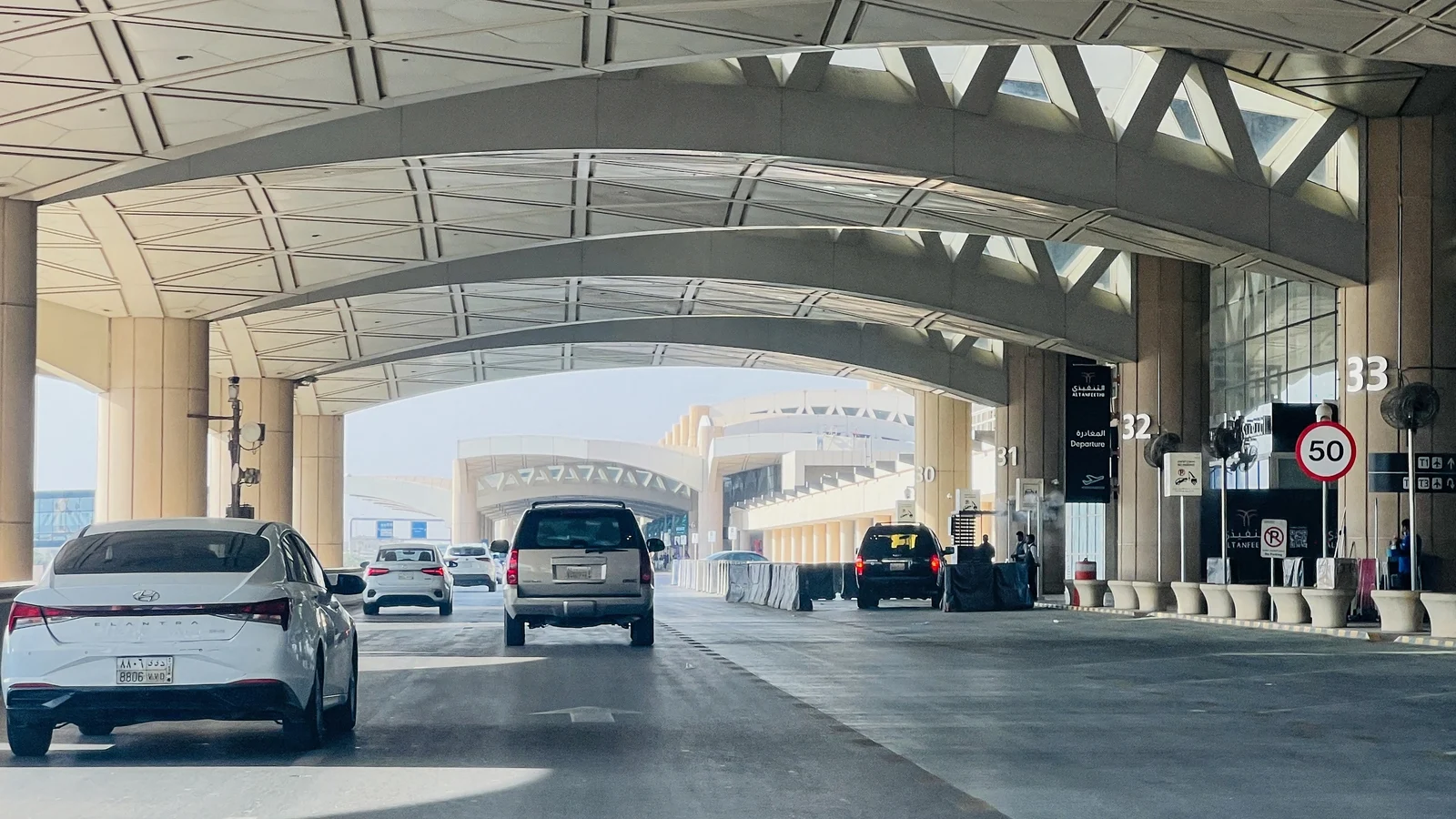
A fresh claim of a missile strike on Saudi Arabia’s main airport in Riyadh has intensified scrutiny of an escalating cross-border campaign tied to Yemen’s widening war.
Yemen’s Iran-aligned Houthi group said today that it had attacked King Khalid International Airport in the Saudi capital Riyadh with a ballistic missile.
The announcement came just hours after Saudi Arabia reported deadly strikes earlier in the week on the same airport, as well as a separate attack on Abha International Airport.
Saudi authorities had not immediately confirmed the Houthis’ latest claim.
In recent weeks, the Iran-backed Houthis have repeatedly said they were hitting Saudi civilian infrastructure, a series of claims emerging as Riyadh-backed forces pushed a counter-offensive against the group’s territorial gains.
The fighting has also driven a growing humanitarian toll. Since Yemen’s civil war reignited in July, more than 200,000 people have been displaced within the country, the United Nations said yesterday.
After today’s statement about King Khalid International Airport, the Houthis again issued what they called a final warning to airlines — “for the last time” — urging them to avoid Saudi airspace.
Saudi Arabia’s civil aviation authority detailed the earlier incidents in a statement last night, saying: “On Tuesday and Wednesday… Abha International Airport and King Khalid International Airport were subjected to attacks targeting their facilities.”
The authority said an Egyptian and an Algerian national were killed at Abha airport, while a Sudanese national was killed at Riyadh airport, adding that the attacks wounded 36 people.
The civil aviation authority did not specify which airport was hit when.
In a subsequent statement, the Saudi-led coalition — which backs Yemen’s internationally recognised government in its fight against the group — directly blamed Houthi fighters for the strikes and promised retaliation.
“The brutal attacks by the Terrorist Houthi Militia on civilian and civilian objects in the Kingdom, most recently targeting (the two airports) will not go unpunished,” it wrote on X.
The coalition said it responded by striking 82 “legitimate military targets”, including missile facilities, command centres, communications systems and Houthi gathering sites.
This week, Yemen’s government announced a major counter-offensive against the Houthis, saying it had driven the fighters from strategic areas on the Red Sea and from the port city of Mocha.
The Houthis, however, say they continue to control their positions, and military sources have not reported major shifts on the ground.
With developments moving quickly and access for journalists difficult, competing claims from the warring sides have been impossible to independently verify.
Syria weighs military aid for Saudi Arabia
Syria is carefully considering providing military assistance to key ally Saudi Arabia amid the escalating war against the Houthis, a US official and a Syrian military official briefed on the matter said.
The sources said the options under review range from defensive support aimed at shielding the kingdom from attacks to deploying forces in an offensive capacity to assist Saudi-backed Yemeni troops battling the Houthis.
The US official said Saudi Arabia had requested that Syria deploy forces to fight the Houthis — an assertion denied by the Syrian president’s media adviser, Ahmad Zaidan, in a post on X following the publication of this story.
Asked for comment, the Syrian foreign ministry was contacted and a Syrian diplomat responded that Syria stood firmly with Saudi Arabia in the face of Houthi attacks, while stressing that the government’s main attention remained on domestic priorities, including recovery from the country’s civil war.
“Should Saudi Arabia request any military cooperation or exchange of expertise, this would take place exclusively through official channels and within the framework of the bilateral agreements governing relations between our two brotherly countries,” the diplomat said in a statement.