Morning at Bondi, and the world went sideways
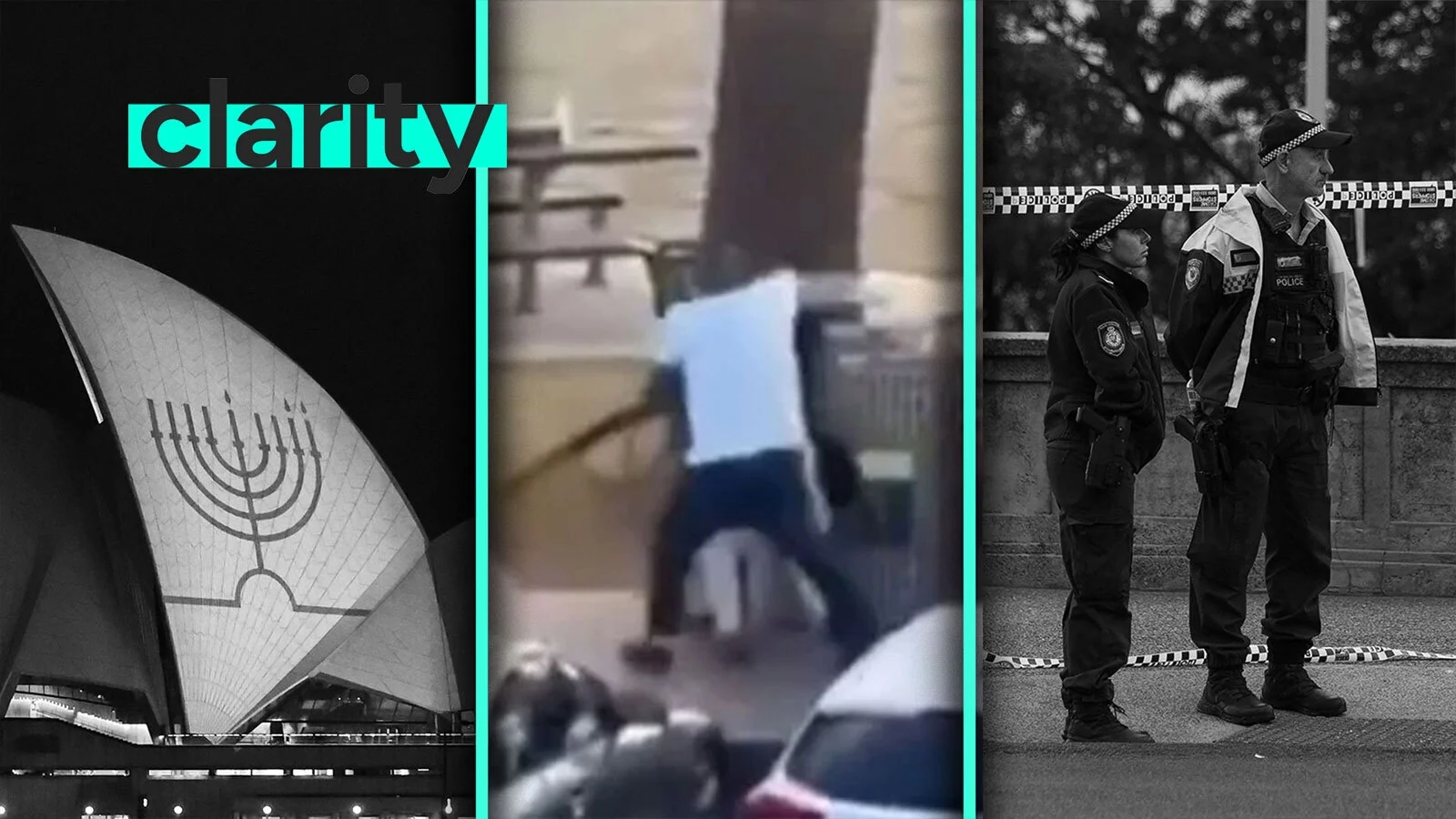
Sunrise at Bondi is usually a soft, salt-scrubbed ritual: joggers thread along the cliff path, cafés steam milky flat whites, and the sea lays down a mirror. On Sunday, 14 December, that familiar rhythm shattered. Two gunmen opened fire on a Hanukkah gathering on the beachfront, leaving at least 15 people dead and dozens wounded. Authorities quickly labeled it a terror attack. The grief was immediate; so was the confusion.
Within hours, a clip swept across phones and feeds—a breathless, shaky video of a man grappling a rifle from one of the shooters. In an instant the footage became the anchor in a storm of images, statements, and claims. People wanted a hero. Some found one: Ahmed al Ahmed, a Syrian-born fruit shop owner, who appears in the video wrestling the weapon away. But the same speed that uplifted Ahmed’s courage also accelerated a darker current: misinformation.
When a hero becomes a headline—and a fake name
As praise poured in online, another narrative unfurled just as quickly. A story on a site posing as a national outlet—calling itself ‘The Daily’—identified the hero not as Ahmed, but as “Edward Crabtree.” The article read like an exclusive: an “interview” from a hospital bed, details of a routine walk interrupted by terror. The byline credited a “Rebecca Chen.”
“I just acted,” the supposed interview quoted Crabtree as saying. The piece spread. It was shared, screen-grabbed, and repeated—by ordinary users, by influencers, and by an AI assistant embedded in X, which echoed the false name when asked who had disarmed the shooter.
But the story was a construct. Investigators discovered the domain name for the site had been registered the very day of the attack, masked behind a privacy service in Reykjavik. Images on the page flickered between different headshots with each refresh. A careful look revealed the hallmarks of machine-generated content—text that smelled real but didn’t hold up to scrutiny.
How and why falsehoods stick
“In moments of crisis, people don’t just want information—they want certainty,” said a media researcher I spoke with, who asked to remain unnamed because she consults for multiple newsrooms. “That desire gets exploited. False narratives are engineered to be simple, emotionally compelling, and shareable.”
Researchers at MIT and elsewhere have shown that false news often travels faster and further on social platforms than truthful reports. A 2018 study of Twitter found that falsehoods spread more rapidly than the truth—an insight that remains relevant today as networks and algorithms favor novelty over nuance.
The Bondi aftermath followed the same pattern. Within the swirl, other dubious claims took root: that a suspect’s name had cropped up in Google searches before the shooting—implying foreknowledge or conspiracy—and that images showed “crisis actors” being made up with fake blood. Screenshots of Google Trends were waved as proof; AI-rendered images were trotted out as evidence. Each new claim added a layer of noise that made it harder to see what actually happened.
Machines misled us too
Perhaps the most troubling feature of this wave of misinformation was the role played by artificial intelligence. X’s AI assistant—Grok—initially misidentified the viral video, suggesting it showed an old, unrelated clip of a man climbing a palm tree. In other instances, AI amplified the fake-news site’s made-up details.
“Large language models are trained on patterns in data; they’re not arbiters of truth,” explained a digital verification expert. “They can echo rumors, and when they do, those echoes get amplified because people assume a polished, AI-generated response is authoritative.”
At the same time, generative AI was used to fabricate images that lent a grotesque plausibility to the idea of staged victims. In one widely shared example, an image supposedly showed a man having fake blood applied by a makeup artist. Technical analysis and metadata checks showed the image bore the fingerprints of AI generation: the text on a t-shirt looked scrambled, and an AI-detection tool flagged the image as likely synthetic.
The human cost of viral confusion
False identification also turned real lives upside down. A Sydney resident with the same name as one alleged shooter found his photographs being circulated as “proof” of guilt. He posted a video insisting he was unrelated; fact-checkers later confirmed the pages and photos belonged to different people. “I woke up to calls from friends and family asking if I’d been arrested,” he said in the clip. “I’ve never felt so frightened and invaded.”
For the Jewish community on Bondi Beach, the damage wasn’t only reputational—misinformation can inflame prejudice and elevate danger. “Every rumor, every conspiracy, is like pouring fuel on a fire,” said a community leader who has been coordinating support for survivors. “We’re grieving and trying to be safe. This noise makes it harder for police, for journalists, and for neighbors to help.”
Peeling back the misinformation: what actually checks out
Several facts did hold steady as reporters and investigators worked methodically: the video of Ahmed al Ahmed was verified by multiple media outlets and authorities; the site that invented “Edward Crabtree” had been created the same day as the attack; Google Trends timestamps can mislead viewers who don’t account for time-zone differences; and AI-generated images can often be spotted by telltale quirks—garbled text, inconsistent shadows, or odd anatomy.
“Verification takes patience,” said a fact-checker at a European outlet tracking the Bondi misinformation. “It means cross-referencing timestamps, checking domain registration data, contacting hospitals and police, and sometimes—most importantly—speaking with witnesses.”
What readers can do now
If you felt bewildered scrolling through your feed that morning—trust that feeling. Here are a few practical steps to separate signal from noise:
- Pause before sharing. Emotional content spreads fastest; it’s often designed to provoke.
- Look for multiple, independent sources. Verified photos, official statements, and on-the-ground reporting are stronger than anonymous posts.
- Check domain and publication dates for suspicious sites; newly registered domains that appear out of nowhere are red flags.
- Be wary of images with distorted text or mismatched lighting—common clues of AI generation.
- When in doubt, rely on established local authorities and newsrooms with a track record of verification.
Beyond Bondi: what this moment tells us
The Bondi tragedy is a stark reminder of how emergencies now unfold on two planes: the physical and the informational. Both can maim. Both demand different kinds of response. While first responders tend to bodies and wounds, digital first responders—journalists, fact-checkers, platform engineers—must patch the ruptures in public understanding before falsehoods harden into accepted narratives.
We can ask ourselves: in an era when anyone can publish and AI can fabricate, how do we sustain a shared sense of reality? How do communities recover when grief is amplified by rumor? These are not questions for tech companies alone; they touch on media literacy, education, civic institutions, and law.
On the sand at Bondi, someone left a candle in the wet, cooling sea. It bobbed for a while, then blew out. The physical memorials will be rebuilt. So must our habits of attention—more careful, a little slower, a little kinder—lest the next viral falsehood compound the next real-world harm.
What will you do the next time a sensational story arrives on your phone? Will you pass it on, or will you pause—and ask the smallest, most radical question: how do I know this is true?