At the narrowest throat of world trade, calm never lasts
The Strait of Hormuz is a sliver of sea—just 21 nautical miles at its narrowest—that for decades has felt like the planet’s pulse point. Ship captains whisper about it in port bars; oil traders watch it on screens across three continents. This week it has become once again the centre of a geopolitical tug-of-war, closing and opening like a shuttered door as diplomats try to stitch together a fragile truce between Tehran and Washington.
“When the strait breathes, so does the world economy,” said Leila Mansouri, who runs a small logistics firm in Bandar Abbas. “When it stops, even for hours, prices tilt and people on the other side of the planet notice—farmers, truckers, mothers buying fuel for school runs.”
A brief opening, a quick reversal
After a temporary ceasefire paused fighting between Iran and its enemies, Tehran briefly declared the Strait of Hormuz open. Market relief was swift: oil prices eased and shipping routes flickered back to life. But the reprieve was short. Iran’s powerful parliamentary speaker, Mohammad Bagher Ghalibaf, told a televised audience that progress with the United States had been made, yet “many gaps and fundamental points” remained unresolved. In his words, the final settlement was still “far.”
Within days Tehran made clear it would not let the vital waterway stay fully open until Washington lifts what Iran describes as a blockade of its ports. “If the blockade remains, traffic in the strait will be limited,” Ghalibaf said.
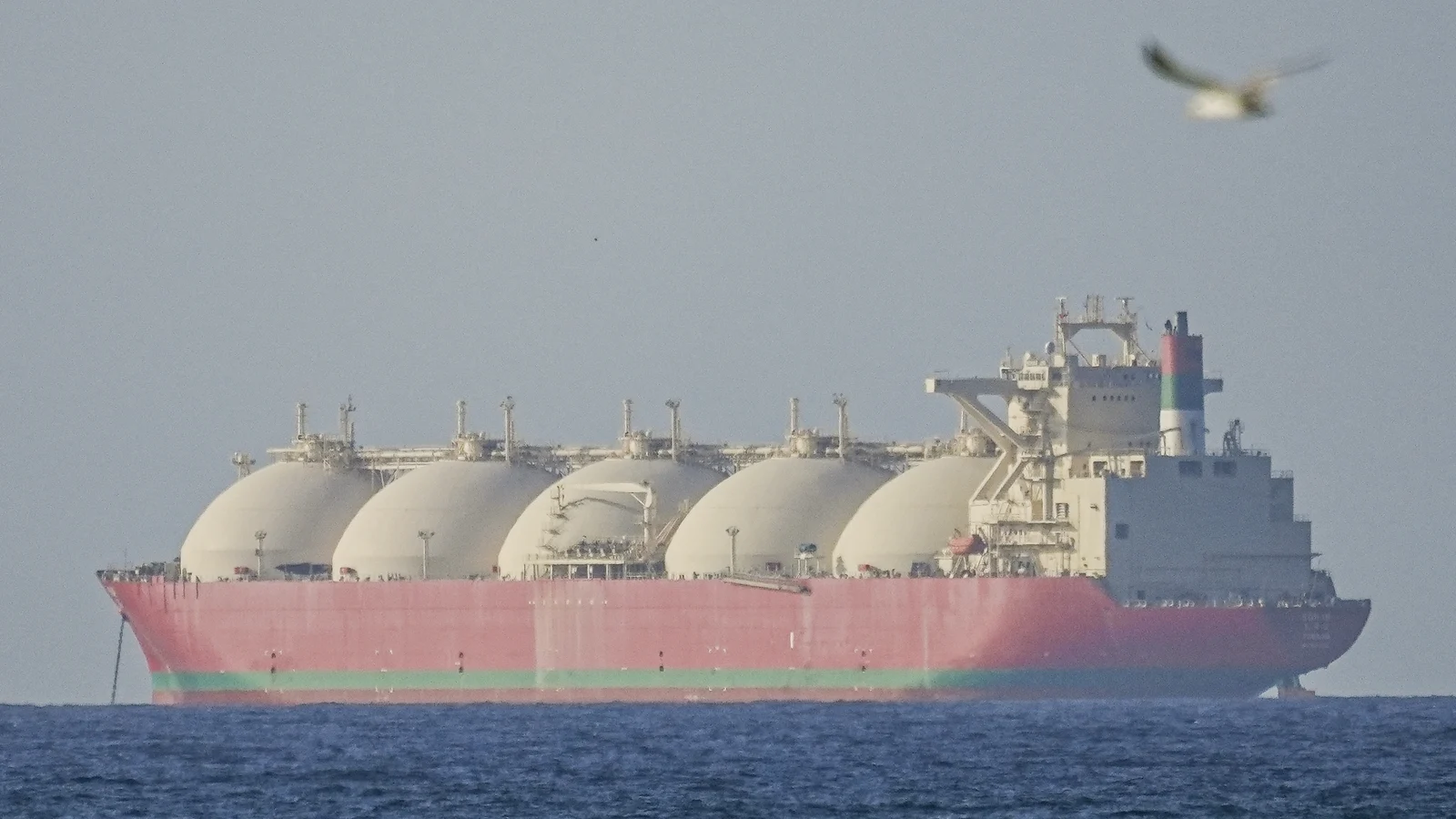
The stakes are simple and massive: roughly one-fifth of the world’s seaborne oil and a significant share of liquefied natural gas transit this narrow choke point. Analysts estimate that at peak times more than 20 million barrels of oil per day have moved through the strait. A closure—even a partial, intermittent one—ripples through economies and households worldwide.
Incidents at sea and rising tension
When the strait reopened briefly, a handful of tankers made the transit, tracking platforms showed. Many others turned back or loitered in safer waters. Maritime agencies reported a string of confrontations: warning shots, a vessel damaged by an unknown projectile, and threats aimed at an empty cruise ship trying to escape the Gulf.
“We saw a flash—we felt the hull vibrate,” said Captain Arjun Patel, who was aboard an Indian-flagged tanker that reported being targeted. “There was no missile, thank God. But the message was clear: do not pass without permission.” New Delhi summoned Iran’s ambassador to protest what it called a “shooting incident” involving two Indian ships.
The Islamic Revolutionary Guard Corps issued blunt warnings that any ship transiting without explicit permission “will be considered cooperating with the enemy” and could be targeted. The language is chillingly transactional: permission, or peril.
Diplomacy plays a long game
Behind the dramatic maritime moves there is an equally fraught negotiation table. Officials from Pakistan hosted talks that did not produce a final deal. Egypt—working alongside Islamabad in mediation—sounded cautiously hopeful. “We expect to conclude an agreement in the coming days,” said Egypt’s Foreign Minister Badr Abdelatty, a phrase meant to steady markets and temper alarm.
From Washington came a contrasting tone. “Very good conversations are going on,” President Donald Trump told reporters, while warning Tehran not to try to “blackmail” the United States. The White House says it will maintain pressure—insisting that any port blockade will only lift as part of a comprehensive settlement.
For many observers the most combustible issue is not the strait itself but what it represents: leverage. Iran sees control over the Hormuz transit as bargaining power. The U.S. sees restrictions on Iranian ports as a tool to force compliance on other fronts. Mediators are trying to thread a needle between pride, security imperatives, and practical realities.
What’s really at issue: the uranium question
At the heart of the talks is a volatile, technical, and political asset: Iran’s enriched uranium stockpile. Washington has publicly said Tehran agreed to hand over roughly 440 kilograms of enriched material; Tehran has flatly rejected the premise, saying any assertion that the stockpile could be “transferred” to the U.S. was never on the table.
“The number sounds alarming, but the danger depends on enrichment level and form,” explained Dr. Hannah Reyes, a non-proliferation analyst at a London think-tank. “If it’s low-enriched uranium, it is a different problem than if it’s near-weapons-grade. Conversion, concealment, and technical impracticalities also matter. You don’t unload kilos of enriched uranium like crates of oranges.”
President Trump, trying to flag political victory, jokingly—or perhaps pointedly—said they would recover it “with lots of excavators,” an image that underscored the murkiness around where the material is stored. Tehran countered that some of the material might be buried beneath rubble from last year’s bombings in their facilities—another obstacle to any simple handover.
On the ground: people living the uncertainty
In the port towns that depend on shipping, life has become a ledger of risk. Small traders watch freight rates. Fishermen avoid the crowded lanes where tankers and naval vessels now jostle. A Lebanese woman in the south, whose town was shelled in the opening days of the conflict, spoke of a different kind of anxiety: “We traded rockets for silence and silence for the fear of what comes when the ceasefire ends.”
The ceasefire that calmed the first week of fighting is set to lapse unless renewed. That ticking clock infiltrates everything: the optimism of negotiators, the reading of naval cables, and the nervous calculations on energy desks from Tokyo to Tulsa.
Why the world should watch closely
- Economic impact: Even short disruptions in the Strait of Hormuz can spike oil and gas prices, fueling inflation globally.
- Security risk: Escalation can draw in regional and global powers — a localized maritime incident could become a wider military entanglement.
- Human cost: Civilians in Lebanon, Iran, and neighbouring Gulf states have already borne the immediate consequences of the conflict in displacement and loss of life.
So what do we do as onlookers? We read the cables, listen to the negotiators, and know that the safety of trade routes is inseparable from people’s lives ashore. We ask whether short-term military advantage is worth the long-term economic pain of a blocked chokepoint. We wonder whether diplomacy can be quicker than the engines that feed the world’s markets.
“What we want is normalcy,” a port worker in Fujairah told me through a crackle of interference on a phone call. “Normalcy means wages that arrive on time, prices that don’t jump overnight, and kids who can go to school. For that, the captains need to be able to move without fear.”
The coming days will test whether mediators can turn cautious hope into durable agreement. Or whether, once again, the strait will oscillate between open and closed, a slender line on a map that manages to pull at the threads of global life. Where do you stand when a narrow waterway holds so much of your world? The answer may depend on whose lights you can see on the horizon, and whether they’re steering toward peace or toward another night of waiting.