Irish man named as killer of Canadian girl in 1968 case
 Caalamka
Nearly six decades after a 16-year-old girl was killed in London, Ontario, police say modern DNA science has finally put a name to the person responsible — an Irish man who moved to Canada just a year before the murder.
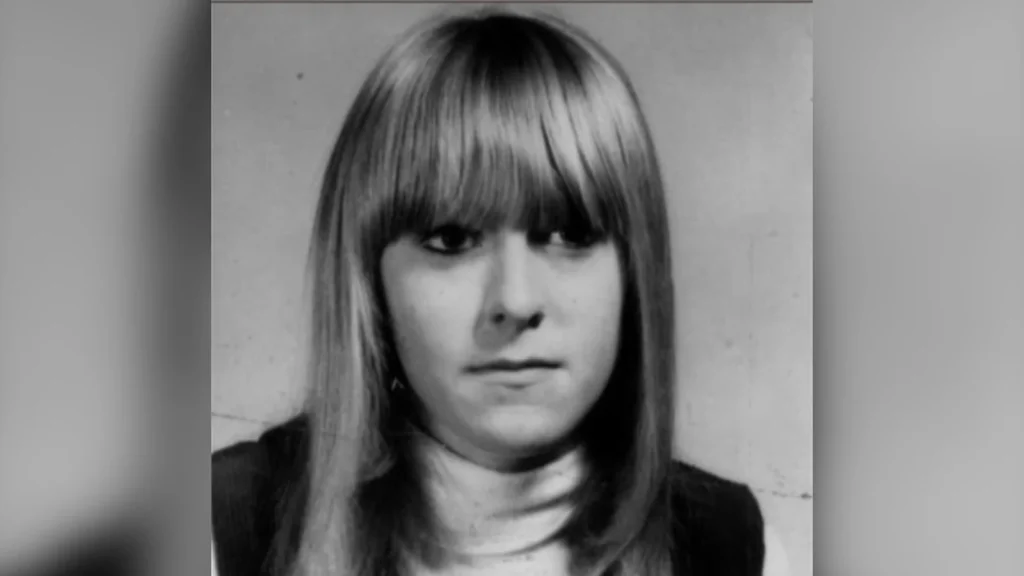
Investigators with the London (Ontario) Police Service have identified Michael Joseph Moore as the killer of Jacqueline ‘Jackie’ Dunleavy, who was murdered in 1968.
Moore emigrated to Canada in 1967 and had been living there for less than a year when he murdered the teenager. He was 25 years old at the time of the killing.
Moore died on 3 March 2018, before he was identified as the man who killed Jackie.
Members of the London (Ontario) Police Service Major Crime Section identified Moore as the killer “following an extensive review of historical evidence and the use of modern forensic DNA technology and Forensic Investigative Genetic Genealogy”.
Detective Mike Budzyn said investigators relied on DNA testing and analysis of preserved evidence, combined with genealogical research, to tighten the focus of the investigation until only one suspect remained.
Michael Joseph Moore emigrated to Canada in 1967
“Our investigators conducted additional interviews, gathered new evidence, and obtained DNA samples for comparison. Those samples were submitted to the Centre of Forensic Sciences for analysis,” he said.
He added: “Based on the evidence obtained through this investigation, we are confident that the evidentiary threshold to support criminal charges was met.
“Had Moore been alive today, he would have been arrested and charged in relation to Jackie’s murder,” he said.
Police said Jackie was last seen alive leaving work after she finished her shift at a local shop on the evening of 9 January 1968.
She was found a few hours later by three young people on the grounds of a school and was pronounced dead at the scene by emergency services.
Police officers at the scene where Jackie Dunleavy was discovered
“The investigation determined that Jackie had been murdered. While she had suffered a head injury, the cause of death was determined to be strangulation.
“At the time, investigators conducted an extensive homicide investigation. Numerous leads were pursued, witnesses were interviewed, and forensic evidence, including biological material, was collected and carefully preserved.
“Despite those efforts, the person responsible was not identified, and the case remained unsolved,” a police statement said.
It added technological advances in the decades since the murder opened new avenues for investigators to come back to case and explore new leads.
Detective Sergeant Micah Bourdeau said detectives at the time did everything they could to solve the crime with the techniques and technology available to them in 1968.
“The evidence they carefully collected and preserved ultimately allowed investigators decades later to continue that work.
“This investigation shows the importance of preserving evidence and continuing to revisit historical cases as new technology becomes available,” he added.
Police said in a statement that the decision to publicly identify Moore as the murderer “was not made lightly”.
“It followed careful consideration of the evidence, the public interest and the responsibility of the London Police Service to be transparent about the outcome of an investigation that had remained unresolved for nearly six decades.
“While criminal proceedings are no longer possible due to Moore’s death, that does not diminish the strength of the evidence or the confidence investigators have in the conclusion reached through this investigation.
“Publicly identifying Moore provides an accurate historical record and answers that Jackie’s family and the community have sought for decades,” the statement added.
Moore was described by police as “white, around six feet tall and had dark hair. Typically, he was clean shaven, but he would sometimes grow out a beard when he was on vacation”.
Police also appealed to the public to come forward with any “historical information” they may have about the incident.
“Hearing the name Michael Joseph Moore, or learning information about him today, may bring back memories for people who knew him, had contact with him or were familiar with him during that time.
“Information that may not have seemed significant at the time could have meaning today.”
“I want to acknowledge the tremendous work of our Major Crime Section and the investigators, forensic specialists, and partner agencies, the Ontario Provincial Police and Toronto Police Service, who contributed to this outcome.,” said Chief Thai Truong of the London Police Service.
“Their collective efforts reflect the professionalism, persistence, and commitment that serious investigations demand.”