When Pop and Panic Collide: Vienna’s Empty Stadium and a Trial That Reverberates
The summer air in Vienna was supposed to smell of sunscreen, pretzels and the faint electric tang that precedes a stadium singalong. Instead, it smelled of closed gates and unanswered tickets—after three nights of Taylor Swift’s record-shattering Eras tour were abruptly cancelled in 2024. What followed was not just a logistical nightmare for fans and promoters, but a criminal case now unfolding in an Austrian courtroom that reads like a grim echo of our fraught global moment.
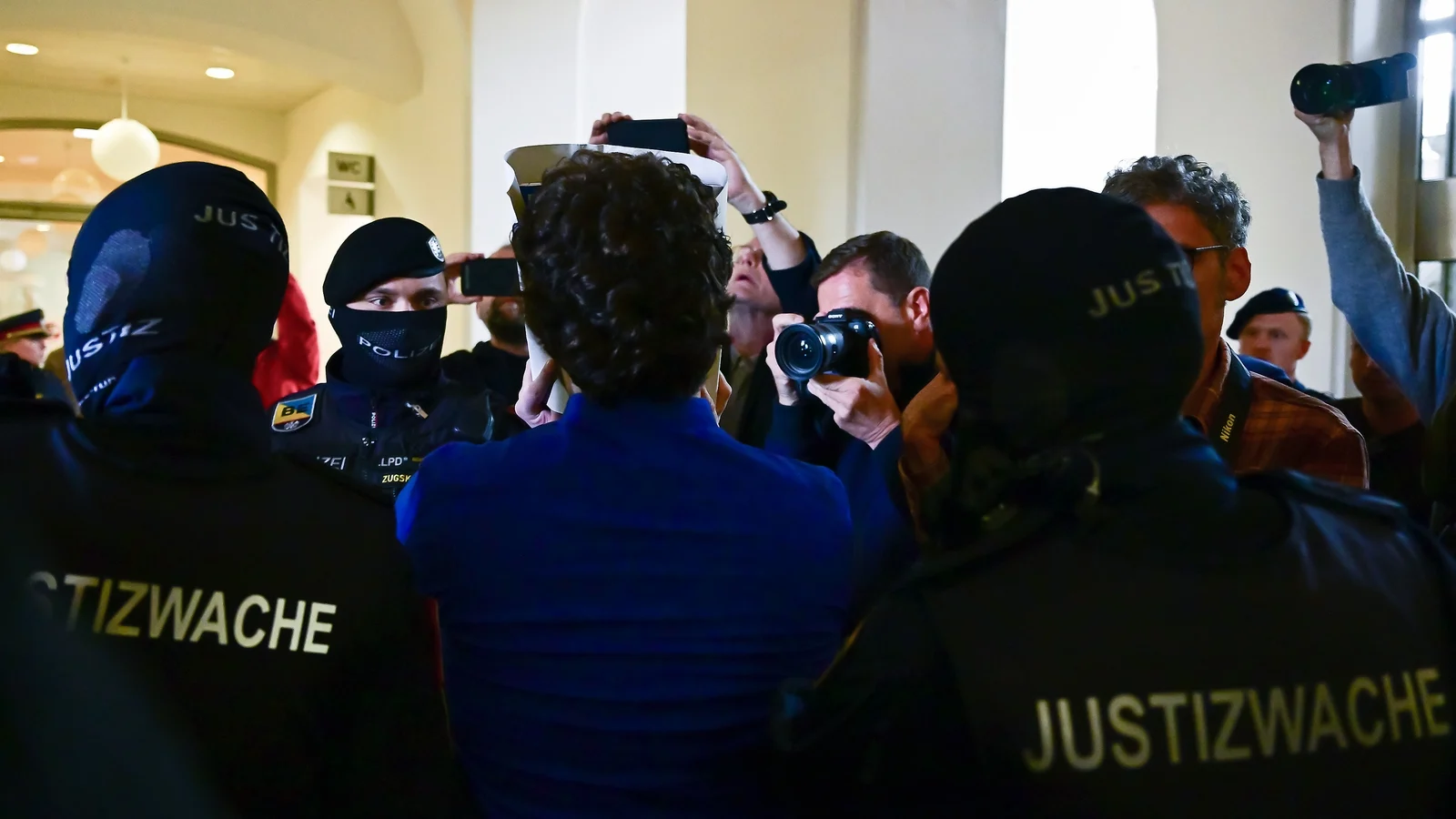
On a grey morning in court, a 21-year-old man identified as Beran A. was led in by masked police officers. He has been in detention since his arrest in August 2024 and now faces a raft of charges, including terrorism offences for allegedly planning an attack on one of the concerts at Vienna’s Ernst-Happel-Stadion. Prosecutors say he acted as part of an extremist network aligned with Islamic State (IS), sharing propaganda, seeking weapons and working on a shrapnel-type explosive.
The case in brief
Here are the essentials you need to know, laid out plainly:
- Three Taylor Swift performances at Vienna’s Ernst-Happel-Stadion were cancelled in summer 2024 after authorities warned of a planned attack.
- Beran A., 21, has been detained since August 2024 and is standing trial on terror-related charges; prosecutors say he faces up to 20 years in prison if convicted.
- Authorities allege he was part of a cell that shared IS propaganda and planned multiple attacks, with alleged plots stretching beyond Austria to cities such as Dubai and Istanbul.
- Two other suspects have been linked to the case: a second 21-year-old, Arda K., who is on trial with Beran; and a third defendant, Hasan E., who is imprisoned in Saudi Arabia.
- In a related strand of the investigation a Berlin court sentenced a Syrian teenager to an 18-month suspended sentence for contributing to the same plot — authorities say US intelligence helped uncover the scheme.
Voices from the emptied stands
<p“People came from all over—fans from Italy, Poland, Turkey,” remembers Martina, a 34-year-old concert-goer who had planned to see the show with friends. “We’d booked flights, hotel rooms, time off work. The cancellation felt like someone had reached into summer and taken a piece out.”
At a café near the Danube, a stadium vendor named Omar, who sells scarves and soft drinks at events, tapped his clipboard and shook his head. “We depend on those nights,” he said. “A stadium full of singing people is a small economy: buses, kebab stands, hotels. When the shows were cancelled, it wasn’t just disappointed fans. Families who plan a month to work those nights lost income.”
Security staff and police officers, speaking to reporters at the time, framed the cancellations as a painful necessity. “The intelligence we had was specific enough that we could not risk going ahead,” one official told the press. “Our job is to protect people, even when protection means let-downs.”
From chatter to charges: How authorities say the plot developed
Prosecutors say the plot was more than online bluster. They allege that the defendants shared IS propaganda across messaging platforms, publicly aligned themselves with the extremist group, sought weapons, and worked on the construction of a shrapnel device described in court papers as “specific to IS attacks.” Investigators also say the defendants received instructions from other IS-affiliated individuals on handling explosives. The accused deny wrongdoing or offer limited comment; the trial is expected to last four days.
These are serious allegations with a dangerous logic: large-scale live events like stadium concerts are attractive to terrorist groups because of the density of potential victims and the global publicity an attack would create. The cancellation of three nights at a single venue may have been a small tactical victory for security services, but it also sparked a cascade of consequences that are only now being litigated and debated.
Beyond Vienna: a pattern and a test
Concerts and mass gatherings are increasingly complex to protect in an era of decentralized extremist networks and encrypted messaging. Since 2015, intelligence agencies across Europe and beyond have documented the use of social media and messaging apps by IS sympathisers to disseminate propaganda and operational advice. Publicly available figures on extremist content removal show spikes in takedowns correlated with geopolitical crises, but those numbers rarely capture the private channels where real plotting can take place.
“This case is emblematic,” said a Vienna-based analyst who studies radicalisation, speaking on background. “It brings together online radicalisation, transnational networking, and the targeting of cultural events. The offensive capacity may be limited, but the symbolic effect—fear inflicted on the populace, disruption of ordinary life—is precisely the point.”
Artists, audiences and the currency of safety
Taylor Swift herself addressed the cancellations on social media at the time, writing: “the reason for the cancellations filled me with a new sense of fear, and a tremendous amount of guilt because so many had planned on coming to those shows.” Her words landed like a confession from an artist who has spent her life in front of roaring crowds—acknowledging both vulnerability and responsibility.
For many performers and event organisers, the Vienna episode has prompted a reassessment of what it means to tour in the 2020s. Will more shows require heightened security checks, restricted bag policies, or even rerouted tour calendars? These measures can add cost, inconvenience and a sense of being policed that changes the live-music experience in ways fans and artists don’t relish.
“People come to concerts to feel free,” says Ana, a 22-year-old student who follows the Eras tour closely. “When security tightens, it’s necessary, but you can feel the loss of spontaneous joy.”
Wider questions: freedom, fear and resilience
We must ask ourselves what we are willing to alter in daily life in the face of sporadic but devastating threats. Do we accept the cancellation of cultural nights and the economic ripple effects that follow, as the price of safety? Or do we search for a different balance—better intelligence, smarter protection technologies, community resilience, and clearer public communication—so that fear does not become the victor?
There are no easy answers. What the Vienna trial forces upon us is a moral and practical examination: how to preserve the pulse of communal life—concerts, markets, festivals—without letting those very gatherings become instruments of terror.
Looking ahead
The trial of Beran A. and his co-defendant Arda K. will play out over the coming days. If convicted, Beran could face up to 20 years in prison. For the families of victims, concert-goers who never made it to the stadium, stadium workers who lost shifts, and a global fan community that watched a summer unravel, the verdict will be another turn in a long, wrenching conversation about safety and freedom.
As readers around the world scroll past this story, perhaps between playlists and dinner plans, ask yourself: when was the last time you felt truly safe in a crowd? And what would you change in your city, your concert venue, or your own habits if you could? The balance between living boldly and living cautiously is not just a political debate—it is a personal one, stitched through the lives of those who sing together under the open sky.