A Summer of Fragile Promises: Peace Talks, Bombed Buildings and the Heavy Cost of Compromise
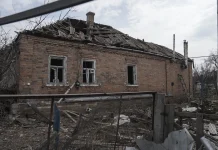
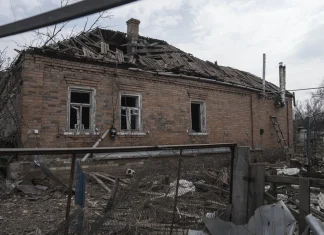
The smoke still clings to the facades of a Kyiv apartment block where a drone struck last night. Neighbors sift through a pile of rubble and laundry, looking for anything that once made their life ordinary: a chipped enamel mug, a school photograph, a winter scarf. Outside, a tram clanks past a storefront boarded up months ago. Inside a bright, air‑conditioned conference room in Miami, a very different sound is heard: the hum of translation headsets and the rustle of papers bearing the contours of a new peace proposal.
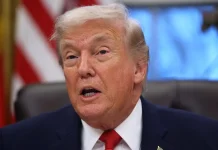
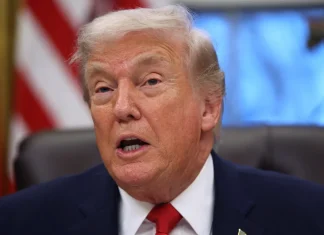
These two images—one of ruined domestic life and the other of diplomatic choreography—tell the same story in different tongues. For more than three years now, the war that began with Russia’s 2022 invasion has been writing itself across the lives of ordinary people in eastern Ukraine. Tens of thousands have died, cities have been shattered, and millions have fled their homes. And now, in a turn that feels at once hopeful and perilous, a U.S.‑led draft to end the fighting has been shuffled between presidential envoys, Russian intermediaries, and Kyiv’s leadership.
What’s actually in the draft—and why it matters
At the center of the storm is a 20‑point U.S. initiative—an effort whose stated aim is to halt the bloodshed without producing a victory for either side. According to summaries released by Kiev, the latest iteration removes several immediate demands that had been non‑starters for Ukraine: there is no requirement for Ukraine to legally renounce its NATO aspirations, and the plan does not force an instant withdrawal from the parts of Donetsk Kyiv still controls. Instead, it appears to open the door to phased troop redeployments, demilitarized zones, and the creation of special economic zones—concepts that sound technical on paper but translate to vast human consequences on the ground.
“This draft might let us breathe for a while—but breathing cannot mean giving up our dignity,” said one Ukrainian municipal official in Donetsk, speaking on condition of anonymity. “You don’t hand over your childhood playgrounds and expect to come back to the same life.”
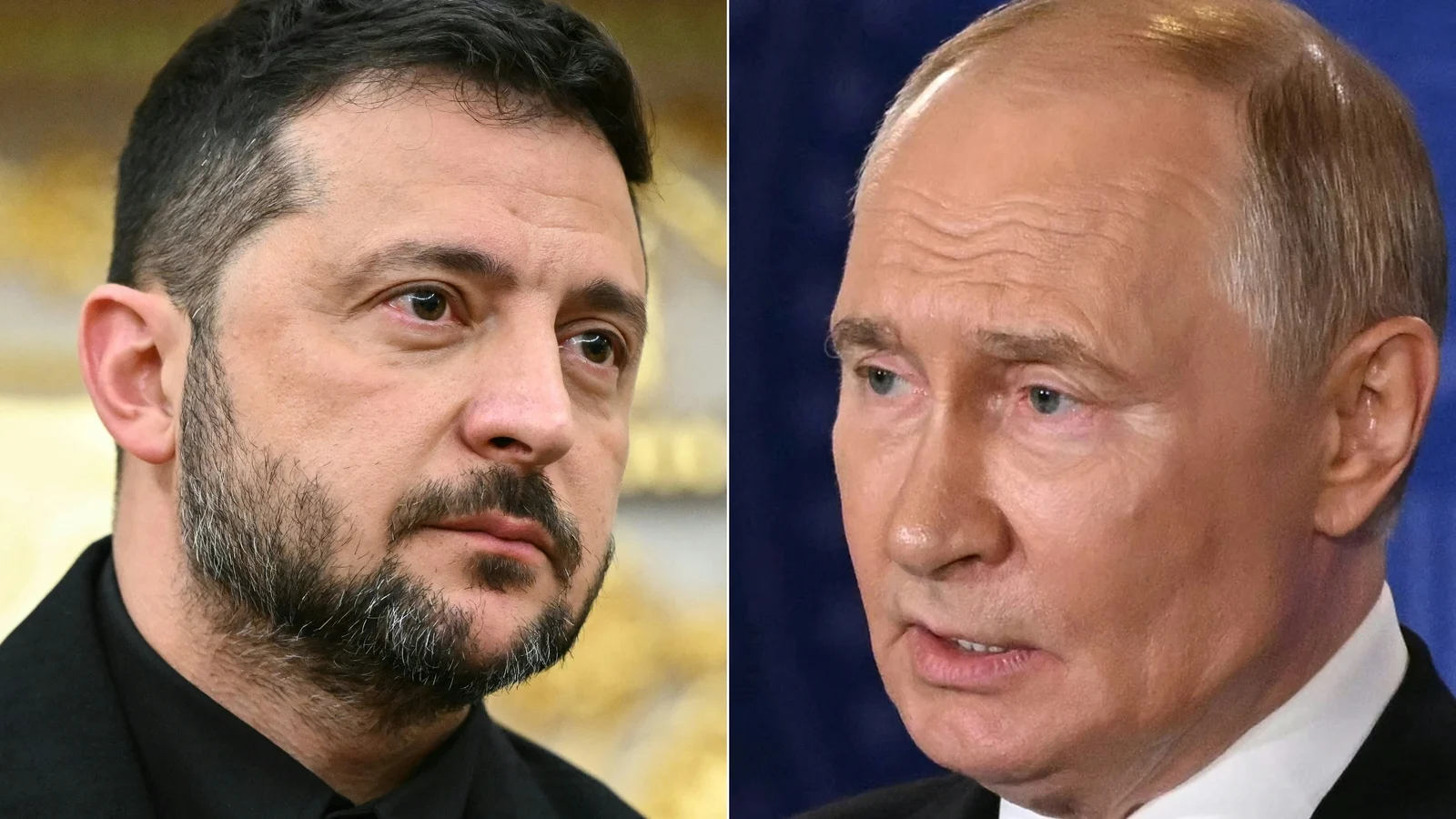
President Volodymyr Zelensky, in a carefully staged briefing, read from a marked‑up copy of the document and said Kyiv had managed to excise some of the most punitive demands. He framed the plan as one that could allow certain pullbacks—alongside guarantees for elections and economic arrangements—only if Ukrainians themselves approved them via referendum. That insistence on popular consent is more than a procedural detail: it is an attempt to anchor any agreement in democratic legitimacy.
Key features that carried through
- Recognition—de facto rather than de jure—of current lines of troop deployment as a basis for negotiations.
- Creation of demilitarized zones and workgroups to map redeployments.
- No immediate legal renunciation of NATO accession by Ukraine.
- Proposals for joint oversight of strategically sensitive sites, notably the Zaporizhzhia nuclear power plant.
- Reference to holding national elections after a peace agreement is signed—an insistence both Moscow and some mediators have been making.
Moscow’s response: silence, calculation, and old demands
In Moscow the signals have been careful and codified. Kremlin spokespeople confirmed that President Vladimir Putin had been briefed after a Russian envoy met with emissaries from the former U.S. administration in Miami. But there was no immediate embrace of the compromise on offer. “All the main parameters of the Russian side’s position are well known,” a Kremlin representative said, adding that Moscow would take time to formulate a formal response and continue channels of contact.
That is not mere bureaucratic caution. Since 2022, Russian official demands have tilted toward sweeping territorial concessions, political guarantees and limits on Ukraine’s future alliances—conditions Kyiv and many of its partners have called unrealistic. Moscow’s annexation claims over Donetsk, Luhansk, Kherson and Zaporizhzhia—and its earlier seizure of Crimea in 2014—are still on the table as geopolitical facts that complicate any settlement.
On the ground: fear, pragmatism, and the cost of compromise
Walk through a village in Zaporizhzhia and you’ll see the ragged outline of sunflowers that once nodded in the breeze; now their heads are blackened, stunted by shelling. A farmer there, Mykola, shrugged his shoulders when asked about negotiation. “We plant, then we run,” he said. “If they tell us to leave, we will leave. If they tell us to come back, we’ll try. But who will pay for the seeds?”
That question—who pays to rebuild a nation—has been echoing through European capitals. There is growing anxiety among Kyiv’s allies that if a deal is brokered largely through U.S. diplomatic channels and tailored to secure a peace quickly, the long, costly task of reconstruction could be left to Europe while the United States claims the laurels of mediation. “We support Ukraine because we believe in sovereignty and deterrence,” a senior EU diplomat said. “But we are wary of being asked to foot the bill for a settlement that doesn’t secure the future.”
Dangerous sticking points
- Territory: Any arrangement that changes who administers land—even temporarily—raises deep questions about the return of displaced people and property rights.
- Nuclear safety: Proposals for joint management of the Zaporizhzhia plant are fraught with mistrust; Kyiv opposes Russian oversight of the site.
- Referendums: Popular votes are democratic in theory, but held under the shadow of occupation or displacement they can become instruments of coercion.
What this means for the wider world
Beyond the immediate lives in Donetsk or Kherson, the negotiation has strategic implications. It is a litmus test for how the world balances the hunger for an end to violence with the imperative not to normalize conquest. It is a moment when populist ambitions—an American former president seeking to burnish a peacemaker legacy—intersect with cold geopolitical calculations. And it is a reminder that even well‑intended mediation can leave ordinary people feeling like they were the last to be consulted.
Consider the Zaporizhzhia plant. Global watchdogs have warned that any instability near nuclear facilities risks wider catastrophe. Who oversees such sites? Who verifies safety? These are not abstract technicalities. They are immediate matters of life and death—not only for Ukrainians but for neighboring states that share air currents and rivers.
Questions we should all be asking
As readers around the world, what do we think justice looks like after a crushing war? Is a pause in the shooting worth tradeoffs that may embed occupation into law? Can compensation and reconstruction be guaranteed in ways that restore dignity, not dependence? And finally, whose judgment should decide the fate of contested lands—the bargaining table of superpowers, or the people who live there?
In Kyiv a grandmother clutching a bag of bread paused when asked whether she would vote in any referendum about her neighborhood. “If it means no more rockets, I will think about it,” she said slowly. “But if it means my grandson cannot come home for school, what kind of peace is that?”
Where do we go from here?
The next days will be decisive. Moscow will answer through its channels; Kyiv must reconcile military realities with political imperatives; Western capitals will balance strategic solidarity with domestic politics. All the while, cities like Bakhmut and towns around Zaporizhzhia keep counting losses in the evenings, when the lights go out and the silence is the loudest thing.
Peace is not an object to be cut from a single draft and handed over. It is a living thing grown from justice, security, and the consent of the people it’s meant to protect. Any accord that does not acknowledge that will be, at best, a fragile ceasefire—and at worst, a pause before the next terrible chapter.