Home Blog Page 32

Glasgow Central Station Set to Partially Reopen After Blaze

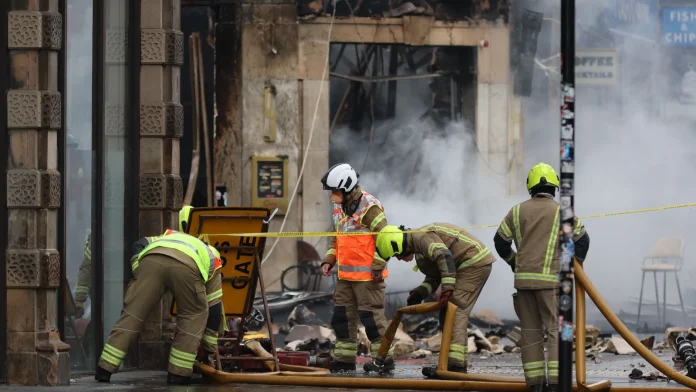
Glasgow Central station to partially reopen after fire
The main part of the station has been closed since 8 March after the fire destroyed much of the building

Glasgow Central: A City’s Great Station Cautiously Creaks Back to Life

When you stand on Gordon Street at dawn and look toward Glasgow Central, you still feel the city’s heartbeat—bass from the subway, the clatter of tram-serviced buses, the cry of a fishmonger opening up for the day. But for weeks that rhythm has been uneven, punctured by the sight of scaffolding, the tang of smoke, and the slow, stubborn presence of emergency crews. Now, after a fire ripped through a neighbouring Victorian block and forced the station’s closure on 8 March, the high-level platforms are beginning to reopen—partly, cautiously, and with a city holding its breath.

The comeback is not cinematic. It is logistical, painstaking, and human. Concourse flow is reduced. Some platforms remain shuttered behind hoardings and steel beams. But staff in high-visibility jackets are back at the information desks, and a trickle of commuters, tourists and students are once again stepping under the station’s great glass roof toward trains that will take them north, south and east beyond the city—albeit with changed timetables and the kind of uncertainty only a recent shock can instill.

“It’s a relief—not the same, but a relief”

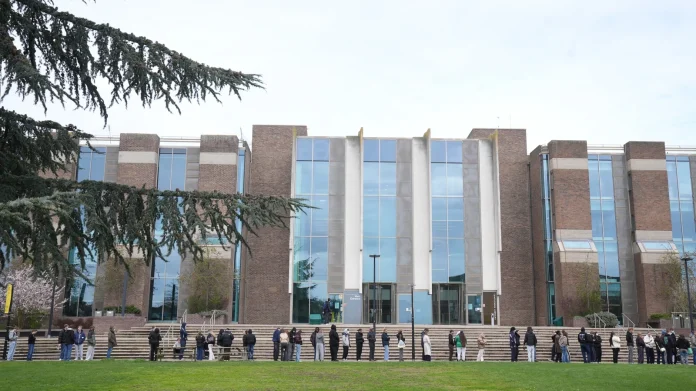
On a cool morning inside the partially reopened high level concourse, a queue forms at the ticket machines. “It’s a relief,” says Aisha Khan, a university lecturer, tugging her scarf tighter. “It’s not the same as before—the signs and the routes all feel new—but at least we can get home by train again. I’ve had to leave earlier, and sometimes take the bus. Today, it feels a bit normal.”

Transport Scotland’s chief executive Alison Irvine, speaking in a short video posted to X, framed the reopening as practical and collaborative. “We’ve brought teams together to make sections of the station usable again,” she said, capturing the mixture of pride and pragmatism that has marked the response. “It will improve access to parts of the network we haven’t been operating from.”

ScotRail’s operations team emphasised safety above all. “Every platform, every corridor has been subject to rigorous checks,” one senior manager told staff briefings. “We won’t ask customers back until we can guarantee they’re safe.” The tone is apologetic and firm—apologetic for the disruption caused to thousands of journeys, firm on the need for patience.

The building that wouldn’t stand—at least not safely

How do you balance two competing instincts—protecting a cherished piece of urban fabric and protecting the public? Glasgow City Council answered that in stark terms after engineers declared the remaining Victorian flank of the affected building “very unstable.” Demolition teams have been working methodically, bringing down dangerous sections brick by brick, controlled and deliberate. The ornate facade at the junction with Gordon Street remains like a theatrical backdrop—beautiful but hollowed out.

Near the site, windows of independent shops show damage from soot and heat. A café across the street has turned part of its seating into a donation point for rail staff and displaced shop workers. “People here look after each other,” said Ewan McIntyre, the owner. “There’s always been a bit of grit in Glasgow’s soul, and you see it now. Commuters swap tips and timetables. Drivers know when to give way. It’s community as much as infrastructure.”

What caused it—and what it tells us

The fire started in a vape shop on Union Street before spreading through adjacent floors and around the corner into old commercial properties. Investigators point to how quickly a small ignition can leap between old timber floors and modern materials, and to the risk posed by lithium-ion batteries in vaping devices. Fire safety specialists have warned for years that the combination of cramped retail units, mixed-use Victorian construction, and powerful portable batteries is a volatile one.

“This wasn’t an isolated technical failure,” says Professor Lorraine Gillespie, an urban safety expert at the University of Glasgow. “It’s a system failure: buildings designed in the 19th century, repurposed without modern compartmentalisation; retail units packed into dense streets; and new technologies—like e-cigarettes—with risks that outpace regulations. We need policies that bridge those gaps.”

Across the UK and internationally, urban centres are wrestling with similar challenges: how to preserve heritage architecture while bringing it up to 21st‑century safety standards. Glasgow’s sandstone façades and ironwork balconies are part of its identity, yet those same features can impede emergency access and conceal hazards.

Practicalities: what passengers should expect

The partial reopening means trains will run with reduced capacity and altered boarding arrangements. ScotRail and Network Rail have urged passengers to check journeys in advance, arrive early, and allow extra time for transit through the station. Staff will be visible and available to guide travelers through temporary signage and alternative routes.

  • Expect fewer platforms in operation and altered timetable times.
  • Allow at least 20–30 extra minutes for your journey until full services resume.
  • Follow instructions from staff and temporary signage—some entrances and exits will be closed.
  • Check ScotRail and National Rail Enquiries for live updates before travelling.

For daily commuters, the disruption is more than an inconvenience—it is a reshuffle of routines. “I used to grab a coffee and brain-storm on the concourse,” said Leo Burns, a software developer. “Now I have to time my train, my coffee, and sometimes work from a friend’s desk. Still, it’s worth it to have the trains moving again.”

Wider lessons and a city’s response

This episode raises broader questions about resilience in transport hubs worldwide. Stations like Glasgow Central are not just transit points; they are civic spaces with shops, offices, and homes nearby. When one node falters, the ripple effects are felt in buses, taxis, deliveries and people’s daily lives. Pre-pandemic, major rail stations in the UK served tens of millions of passengers a year; even a partial closure can cascade economically and socially through a city.

There are opportunities embedded in the rubble. City planners and community groups are talking about retrofitting firebreaks, modernising evacuation routes and developing clearer guidance for businesses selling high-risk items. Some locals want to see the rebuild turn into an upgrade—better accessibility, clearer signage, more resilient materials—while still honouring the Victorian character that gives Glasgow its distinctive streetscape.

“We rebuild smarter, not just faster,” says a member of a local heritage group, Fiona MacAlister. “This is a chance to prove that we can protect our past and keep people safe.”

What now—and what you can do

As scaffolding creaks and demolition dust settles, Glasgow is limping back toward normalcy. The partial reopening is a sign of progress, not a finish line. For travellers: plan ahead, be patient, and give extra time. For city leaders: consider this an urgent prompt to accelerate safety upgrades. For the rest of us: remember that the built environment is a living thing, requiring maintenance, investment and civic attention.

So, where do you stand? Have you had your daily routine reshaped by a single incident of unexpected scale? How should cities balance the romance of their old buildings with the uncompromising demands of modern safety? Glasgow is asking these questions out loud—and the answers will matter to cities from Lisbon to Melbourne, where stone and steel, memory and practicality, meet every day on busy streets.

For now, the trains are moving again, slowly, like a city exhaling. And somewhere under the vaulted roof, life—messy, resilient, irrepressible—reasserts itself.
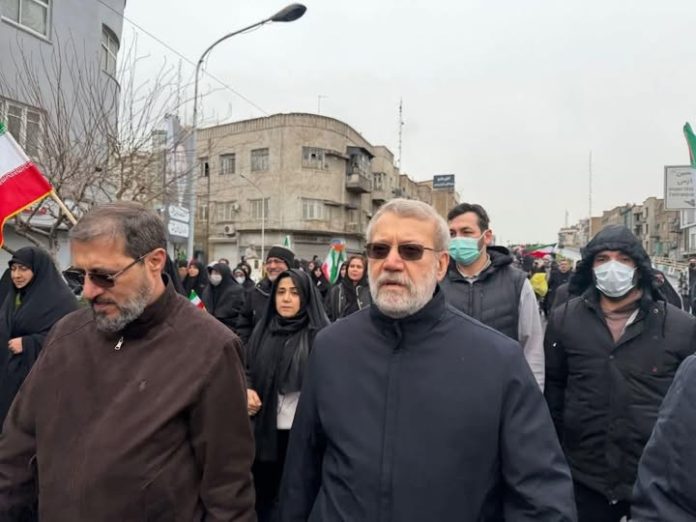
Iran oo xaqiijisay geerida Cali Larajani

Mar 17(Jowhar)-Iran ayaa xaqiijisay Geerida madaxii amniga qaranka Iiraan Cali Larijani, qoraal kasoo baxay taliska ciidamada ilaalada Kacaanta ee dowladda IRAN ayaa lagu cadeeyay geerida Cali Larajani.

UK and Ukraine to commercialize drone technology for global markets

UK and Ukraine look to sell drone technology
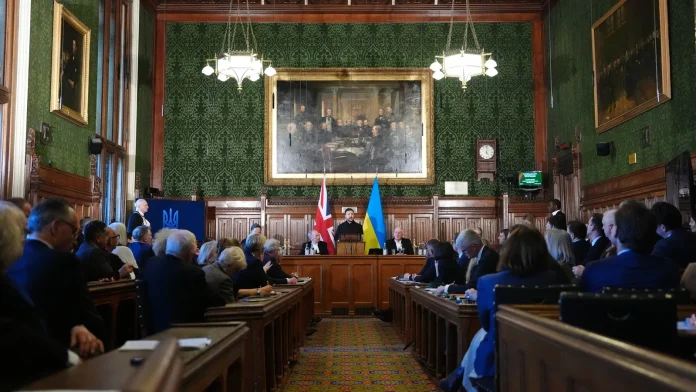
NATO's Mark Rutte, Ukraine's Volodymyr Zelensky and Britain's Keir Starmer met today

When Drones Became Diplomatic Currency: A London Visit That Reverberates from the Thames to the Gulf

On a brisk London morning, under skies the color of an overcast headline, a small but consequential meeting unfolded that feels emblematic of 2026: technology, geopolitics, and the blunt arithmetic of war braided together in a single agenda.

President Volodymyr Zelensky arrived in the British capital not for ceremony, but for commerce of a kind that national capitals rarely advertise so plainly. The talks—held in corridors where ministers habitually trade assurances—were about selling Ukrainian drone know‑how abroad, building supply chains with British manufacturers, and folding artificial intelligence into the machinery of modern defense.

Beyond the diplomatic niceties, there was a practical urgency. The world’s attention has, in recent months, tilted toward the Middle East. That shift has had political and economic fallout: oil prices have ticked up, markets have shivered at the prospect of instability, and Moscow has seen windfall revenues that complicate the pressure that Western sanctions are meant to deliver.

From Workshops to Warzones: How Ukraine Became a Drone Powerhouse

Only four years after Russia’s full-scale invasion, Ukraine is widely recognized as a leader in drone and counter‑drone capabilities. What began as makeshift experimentation in garages and university labs has ripened into an industrial advantage: compact loitering munitions, resilient swarm tactics, and rapid iterative design cycles forged under fire.

“We had to learn fast,” said a Ukrainian drone engineer who recently returned from a deployment advising partners in the Gulf. “Failure is expensive in peacetime, but in war it costs lives. That accelerates everything—design, testing, deployment. Now people come to us because we’ve been tested.”

Kyiv officials say more than 200 Ukrainian specialists are already operating across the Middle East and the Gulf at the invitation of partner states. Those deployments are modest in number but significant in effect: technicians teaching maintenance, tacticians advising on integration, analysts sharing threat data on drones that have become a feature of regional conflict.

Why Britain Wants In

For London, the partnership offers more than goodwill. Britain brings manufacturing scale and defense-industrial heft: production lines, procurement expertise, and financial frameworks—things that can turn Ukrainian innovation into internationally available systems.

A senior British official, speaking on background, described the plan as a “tech diplomacy” play: combine Ukraine’s tactical brilliance with British industrial muscle, export the result to countries facing persistent drone threats, and in the process build a web of security relationships that extend Britain’s influence and help stabilize volatile regions.

“If a Gulf port manager can buy a proven counter‑drone kit that works on day one, that lowers the bar for resilience,” the official said. “It’s more than commerce. It’s a pragmatic way to deter attacks without stationing large numbers of troops.”

AI on the Battlefield: Promise and Peril

AI is threaded through this partnership. London announced a small but symbolic investment—half a million pounds—to seed a new Ukrainian center focused on battlefield AI. The idea is to study how machine learning can refine target discrimination, improve autonomous logistics, and harden systems against electronic warfare.

Not everyone greets the move with unalloyed enthusiasm. A defense analyst in Amsterdam worries about the long arc of such technologies. “We can’t ignore the ethical and proliferation risks,” she said. “Once algorithms see combat and teams scale them up, control becomes the policy question—who governs, who audits, how do we ensure proportionality?”

Her concern echoes a broader debate that stretches beyond London’s meeting rooms: as small, inexpensive weapons like loitering munitions proliferate, the AI tools that make them smarter could also spread, often faster than the export controls meant to govern them.

Local Voices: Cafés, Factories, and Frontline Families

Back in Kyiv, the mood is workmanlike, tempered by weariness and hope. At a café near the river, a barista who volunteers in a drone repair unit leaned on a counter and said, “We don’t romanticize technology. We patch what we have, teach others to fix it, and hope it keeps someone safe. If selling this expertise keeps missiles out of kitchens, then that’s worth it.”

On the other side of the world, a port security chief in the Gulf—who asked to remain unnamed—described repeated, low-cost attacks that have disrupted shipping lanes and strained local economies. “Sometimes the damage is as much psychological as physical,” he said. “If we can buy a system that detects and defeats incoming drones, it lets commerce breathe again.”

Sanctions, Energy Shocks, and the Geopolitics of Attention

The timing of these talks is not accidental. European leaders are anxious that media cycles and political energy have been siphoned away by the Middle East, even as pressure is meant to remain on Russia. The UK and Ukraine publicly critiqued a recent US temporary waiver that allowed the sale of stranded Russian oil—an episode that highlighted how global energy markets can blunt the intended bite of sanctions.

Political leaders made clear they don’t want current turbulence to translate into a strategic bonanza for Moscow. “We must avoid a situation where conflict elsewhere becomes a price windfall for those we’re trying to pressure,” observed a London-based geopolitics professor. “Energy is the vector through which attention translates into advantage.”

Coalitions, Procurement, and the Long Game

Beyond drone sales, the talks touched on broader mechanisms: a so‑called Coalition of the Willing to coordinate sanctions enforcement and a planned joint defense financing and procurement mechanism being discussed with Finland, the Netherlands and others. The aim is straightforward—create demand to justify investment, speed up industrial expansion, and stockpile munitions and systems that the next crisis will otherwise scramble to find.

  • What this coalition offers: pooled contracts, shared logistics, and accelerated investment.
  • What it risks: political fragmentation if member states’ priorities diverge.
  • What it requires: transparency in procurement and safeguards against proliferation.

Questions for the Reader—and for the World

As you read this, consider where your country sits in the map of supply and demand for defense technology. Do you want your tax money underwriting an industry that could deter aggression—or one that might widen the battlefield? How should international rules evolve to govern AI-guided weapons?

Technologies born in conflict rarely stay confined to war zones. The small loitering drone that once patrolled a Ukrainian horizon could tomorrow be repurposed in another region’s contest. That prospect forces a harder conversation about governance, export controls, and the moral calculus of arming allies.

In the end, the London meeting was both pragmatic and symbolic. It signaled that alliances now stitch together not just soldiers and sanctions but engineers, factories, and algorithms. It acknowledged that in a world of diffuse threats—drones, cyberattacks, hybrid coercion—security is increasingly made of supply chains as much as treaties.

“We’re selling more than a product,” the Ukrainian engineer said. “We’re selling a lesson learned under fire: how to make small things matter.”

Maybe that is the true export—hard‑won know‑how that, if managed with care, could make fragile places a little safer. Or, if mismanaged, it could extend the arms race into new and worrisome domains. Which future do we choose?

Meningitis vaccine to be offered to Kent students after outbreak

Two young people die following UK meningitis outbreak
Students queue for antibiotics outside a building at the University of Kent in Canterbury

When A Campus Holds Its Breath: Meningitis B, Vaccines, and the Quiet Panic in Canterbury

There is a particular hush that falls over a university town when something unseen begins to move through its streets. In Canterbury — narrow lanes lined with flint and brick, cafés brimming with students squinting at laptops, the quiet spires of a city used to tourists and term-time bustle — that hush has been edged with alarm.

Officials in the UK have declared an “unprecedented” outbreak of meningitis, and the response has been swift: students living in university halls in Kent are being offered the meningococcal B vaccine. For many, this is both a relief and a jolt — a reminder that even in a nation with advanced public health systems, pockets of vulnerability can suddenly become very visible.

A surge that felt unreal

So far, health authorities report 15 cases linked to the outbreak in Kent, with two tragically fatal. Four of those cases have been confirmed as meningococcal B (menB), and all required hospital admission. Hundreds of close contacts have been urged to take antibiotics as a precaution and several local sites have opened to distribute them.

“This is an unprecedented outbreak,” Health Secretary Wes Streeting told Parliament. “It is also a rapidly developing situation.” He added that the targeted vaccination programme for students living in halls at the University of Kent in Canterbury will begin within days.

For students like Tom — a second-year history student who asked to be identified only by his first name — the news has been disorienting. “One week it’s revision season, pizza and late-night essays,” he said. “The next, everyone’s texting about waiting for a jab and whether they’ll have to miss lectures. It feels unreal, but there’s a serious edge to it.”

Why students are being offered the jab now

The menB vaccine has been part of the NHS childhood immunisation schedule since 2015. Babies routinely receive protection, but many teenagers and young adults today simply missed out because they were born before the vaccine became standard policy. That gap in immunity is one reason the disease can find purchase in university halls, where hundreds of people live in close quarters and share facilities.

“Dormitories are, by design, high-contact environments,” explained Dr. Amina Khan, an infectious disease specialist. “Respiratory droplets, shared utensils, late-night socialising — all amplify transmission risk for pathogens like meningococcus. Vaccination is our most effective tool for interrupting transmission chains in such settings.”

For the public health system, the calculus is painful and precise. The Joint Committee on Vaccination and Immunisation (JCVI) previously ruled that a menB catch-up campaign for older children was not cost-effective. In light of these events, Mr Streeting has requested that the JCVI re-examine eligibility criteria for meningitis vaccines — a move that could reshape vaccine policy if the committee alters its assessment.

What people on the ground are feeling

The mood in Canterbury is a mixture of gratitude and frustration. “I’m relieved the university is acting quickly,” said Aisha, a postgraduate student who lives in campus housing. “But it’s scary to think we were so vulnerable. Some of my flatmates were born in 2001 or 2002 — before this vaccine was routine — and they never had a chance to be immunised as infants.”

University staff and local health workers have been working around the clock. “We set up antibiotic distribution hubs within 24 hours,” said a local public health officer. “Our teams are phoning close contacts, triaging who needs urgent care, and preparing for the vaccination rollout. But people want answers about why this happened and whether more could have been done.”

Practical steps and medical facts

For readers wondering about symptoms and immediate actions, health authorities emphasise vigilance. Typical early signs of meningococcal infection can include sudden fever, severe headache, a stiff neck, nausea, and a distinctive rash that doesn’t fade under pressure. Rapid medical assessment is critical; meningitis can progress quickly.

  • Symptoms to watch for: high fever, severe headache, neck stiffness, sensitivity to light, vomiting, confusion, and a non-blanching rash.
  • Immediate actions: seek urgent medical attention if symptoms develop; close contacts may be offered antibiotics such as ciprofloxacin or rifampicin.
  • Vaccination: the menB vaccine (for example, Bexsero) has been used in the UK since 2015 as part of infant schedules. Universities are targeting students in halls for a catch-up campaign in response to this outbreak.

“Antibiotics are being offered as a short-term protective measure for those exposed, while vaccination will serve as a longer-term barrier,” said Dr. Patel, a GP volunteering at a local clinic. “We want to stop forward transmission and reassure the community.”

Broader questions: policy, preparedness, and trust

This episode raises larger questions about how vaccine schedules and public health strategies intersect with changing demographics. Should catch-up immunisation be more common when new vaccines are introduced? How do we balance cost-effectiveness with the ethical imperative to protect vulnerable populations?

“There is always a tension between what is affordable at scale and what is the safest option for every cohort,” said Professor Jane Ellison, a public health policy researcher. “Outbreaks like this force us to re-evaluate previous cost-benefit calculations. They also remind us that vaccine programmes must be dynamic, responding to epidemiological shifts.”

There is also the human consequence: students interrupting studies, families anxious about loved ones, and communities scrambling to respond. “It’s a blunt reminder that global health isn’t abstract,” Professor Ellison added. “It arrives in your lecture hall, your flat, your kitchen table.”

What this means for you — and the world beyond Canterbury

If you live in a university community, work with young adults, or care for infants and teenagers, this outbreak should serve as a prompt for practical action: check vaccine histories, be alert to symptoms, and follow local public health advice. For policymakers, it is a call to examine whether immunisation strategies are keeping pace with social realities — mobility, dense living, and the way young people congregate.

And for everyone else, it is a moment to reflect on how we build resilient communities. Do we invest enough in preventative health? Do we treat vaccination as a public good rather than a private choice? These are questions with implications far beyond Kent.

In the coming days, the vaccination programme will roll out in halls of residence in Canterbury. For now, the city waits and watches, but it does so with a renewed sense of purpose. “We’re tired, we’re worried, but we’re also determined,” said Tom, the student. “If getting a jab means we can go back to normal life — lectures, music nights, crowded cafés — then it’s worth it. We owe that to the friends we lost.”

What would you do if your community faced a similar sudden threat? How far should public health campaigns go to close immunity gaps created by changes in vaccine schedules? These are the conversations that will shape the next chapter — and perhaps prevent the next outbreak from settling in at all.

Cuba races to restore power amid Trump’s looming takeover threats

Cuba in bid to restore power as Trump threatens takeover
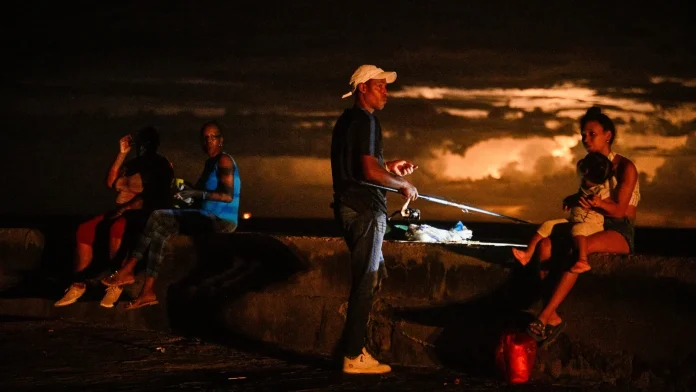
A man fishes during a blackout in Havana

When the lights go out in Havana: power, politics and an island on edge

There is a special hush to a city when the lights go out: the hum of refrigerators falls silent, streetlamps blink into darkness, and Havana’s layered soundtrack — radio boleros, the clack of dominoes, a distant rumble of old Chevrolets — is stretched thin like a string about to snap.

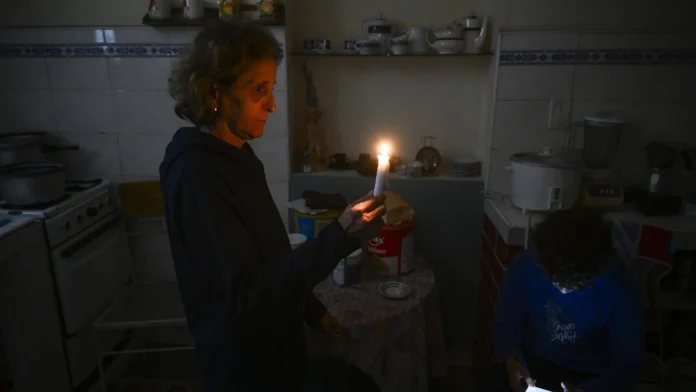
Last night that hush arrived all at once. Families threaded candles through doorways; neighbors shouted across courtyards to check that everyone was all right. By morning, the government said roughly two-thirds of the country had power restored. But the words were thin comfort to people who have learned to live with recurrent blackouts and the brittle economy they expose.

More than a technical failure

The cause of the latest island-wide outage was not specified. Officials offered assurances about restoration work; engineers were pictured in state media clambering over turbines and transformers. But for many Cubans the blackout was less a single event than an expression of a longer decline: an ageing electricity grid, chronic fuel shortages and a vulnerability to the geopolitical winds that buffet a nation of about 11 million people.

“It is never just the lights,” said Elena Rodriguez, a market vendor in the Vedado neighborhood. “Without power, the phones die, the water pumps stop, the little food we have in the fridge goes bad. It is the ripple you feel in your pocket. We cope, yes — but coping has a price.”

Cuba’s power system has been limping for years. In parts of the island, rolling blackouts of many hours — sometimes reported to extend up to 20 hours in a stretch — have become a grim routine. Diesel and fuel shortages mean that even when plants are functional, they often lack the fuel to run. The shortage is economic and political: an island that once relied on subsidized Venezuelan oil saw those lifelines fray when diplomatic and financial pressure on Caracas intensified.

Earth tremors and political tremors

Adding to the unease, a 5.8-magnitude earthquake jostled the waters off Cuba’s coast the same day. There were no immediate reports of injuries or significant damage — but an earthquake’s tremor is not only geological. It also becomes an uncanny metaphor: an entire nation rattled by events beyond its control.

At the same time, diplomatic rhetoric from Washington has escalated in stark, personal terms. “I do believe I’ll be … having the honour of taking Cuba,” President Donald Trump told reporters — words that landed like an old wound being reopened in Havana. For an island whose modern history has been forged against the shadow of a superpower just 150 kilometers away, such proclamations revive memories and fears.

“We don’t need speeches. We need diesel for the plants; we need parts for the grid,” said Jorge Alvarez, a technician at one of Havana’s thermal plants, wiping grease from his hands. “You cannot ‘take’ a country with slogans. You either help it breathe or you let it die.”

Lives in the balance: ordinary people, extraordinary strain

Walk through a Havana neighborhood and you’ll see how politics becomes the matter of daily survival. Olga Suárez, a 64-year-old retired schoolteacher, squints into the sun on a stoop as if measuring the light.

“We are used to it,” she told me. “We go to bed and sometimes we wake up without lights. But the fear now is that the outage will last and the food will spoil — the pantries are small, the refrigerators small, and everything is expensive.”

In the tourism sector, the blackout lands like a blow to an already bruised industry. Before the pandemic, Cuba welcomed millions of foreign visitors a year; tourism has been a crucial source of hard currency. Jet fuel cutbacks and flight reductions, tied to broader oil and financial disruptions, have further hollowed out that sector.

“I used to earn enough from my casa particular to send remittances back to my family in Santiago,” said Luis, a private host who asked that only his first name be used. “Now bookings are thin, and when there is a blackout, guests are uneasy. You can feel the hesitation.”

Policy shifts and promises

In the wake of the power crisis, Havana’s leadership announced a surprising economic olive branch: senior officials declared that Cuban exiles would be allowed greater leeway to invest and own businesses on the island. For decades, the relationship between the Cuban state and its diaspora has been fraught — full of pain, politics and a flow of money that has at times propped up families and, indirectly, the national economy.

“We are trying to open channels to secure investment and technology,” a Cuban economic official told state media. “We need to modernize our energy sector and stabilize supplies.”

Whether such openings will translate into meaningful capital, or merely offer rhetorical cover in a moment of crisis, is unclear. The diaspora remains wary; investors are cautious. And any foreign capital that arrives will face structural obstacles: bureaucratic constraints, U.S. sanctions that complicate international banking, and an economy still organized around state control.

Context: a small island at the intersection of bigger forces

Cuba’s vulnerability is not only domestic. It is a case study in how global geopolitics shapes life in instant and intimate ways.

  • Cuba’s population: roughly 11 million people spread across an island of 110,860 km².
  • Energy profile: an ageing grid, reliance on imported fossil fuels and limited domestic generation capacity have long made Cuba susceptible to shortages.
  • Economic lifelines: remittances, tourism and a trickle of foreign investment — all of which have been disrupted by sanctions, pandemics and shifting alliances.

These data points read like lines on a map of vulnerability. Add to that climate change — rising seas, more intense storms — and the picture is one of an island that must quickly modernize to survive, but which lacks the cash and political breathing room to do so easily.

What does “taking” a country even mean?

When a world leader utters dramatic phrases about conquest and liberation — “I will take Cuba,” for example — it forces us to ask: what does power look like in the 21st century? Military occupation? Economic dominance? The ability to choke a supply chain with sanctions?

“Soft power is not soft when its impacts are felt in a kitchen sink,” said Ana Méndez, a political analyst based in Madrid who follows Caribbean affairs. “Sanctions and isolation are forms of pressure that have real consequences for ordinary people. Any discussion of sovereignty needs to reckon with that human cost.”

Those consequences are visible in the queues for water and bread, in the hush of a blackout, in the anxious scroll of news on battery-powered phones. They are the everyday arithmetic of survival that does not fit neatly into the rhetoric of superpower grandstanding.

After the lights come back on: what then?

When the electrical current returns and the incandescent bulbs bloom in tenement windows, the island will breathe for a moment, and people will reheat whatever can be salvaged. But the deeper questions will remain: how to modernize infrastructure, how to secure reliable fuel and energy diversification, how to navigate relations with a neighbor that has alternated between hostility and engagement for more than half a century.

Will policy shifts toward diaspora investment bring meaningful change? Can Cuba diversify its energy mix — solar farms on its sun-rich plains, offshore wind where the sea allows — to break the cycle of dependence? Or will geopolitical jockeying continue to make the lights an uncertain commodity?

As you read this, consider your own assumptions about power: not the electrical kind alone, but the power that shapes the fate of nations — economic leverage, diplomatic might, the simple, stubborn resilience of communities. What does responsibility look like in a connected world where a blackout on a Caribbean island can be traced back to a web of policies, markets and politics far beyond its shores?

In the courtyard where Olga guards her little refrigerator, a neighbor cracks a joke to lift spirits. They laugh, briefly. It is an island’s small defiance: people making light against the dark, keeping vigil until the lights come back on.

Itoobiya oo diyaarad gaar ah ku geysay Baydhabo madaxweyne Lafta-gareen

Mar 17(Jowhar)-Madaxweynaha maamul Goboleedka Koonfur Galbeed Soomaaliya, Cabdicasiis Xasan Maxamed (Laftagareen), ayaa galabta ka degay Garoonka Diyaaradaha Shaati Guduud ee magaalada Baydhabo.

Cuba power grid collapse plunges 10 million into blackout

10 million people without power as Cuba's grid collapses
Cubans have been experiencing frequent power black outs as oil supplies have run out

When the Lights Went Out: Cuba’s Grid Collapse and the Human Flicker of Survival

On a humid afternoon in Havana, the city’s familiar soundtrack — old jazz spilling from a corner café, the distant cough of chromed American cars, vendors calling out for mangoes — fell into an uneasy quiet. Streetlamps that normally bloom at dusk remained stubbornly dark. In neighborhoods lined with crumbling colonial facades and laundry draped like pennants between balconies, people paused and looked up, as if the sky had decided to stop paying its bill.

The country’s grid operator announced what many had feared: the national electric grid had collapsed. Nearly the entire island was left in the dark — hospitals on emergency generators, schools closed, refrigerators stilled, small businesses that run on thin margins pushed closer to collapse. For millions of Cubans, blackout is not a seasonal metaphor but a lived reality.

Beyond the Switch: A Tangle of Politics, Fuel and Fragile Infrastructure

This is not merely a technical failure. It is the visible, painful manifestation of years of economic strain, a longstanding U.S. trade embargo that has been in place since 1962, dwindling tourism revenue, and the loss of critical oil shipments that once flowed from friendly partners.

“We have power cuts every few weeks, but this is different — this was every light at once,” said Ana López, a nurse who lives near the Vedado district in Havana. “You learn to plan around rolling blackouts, but when the grid dies, the entire rhythm of the day is gone.”

Cuba imports most of its petroleum and refined fuels. For decades, Venezuela supplied preferentially priced oil as part of a political and economic alliance. That lifeline has frayed amid Venezuela’s own crisis and international sanctions. More recently, political pressure and the threat of extra-territorial penalties have discouraged other suppliers, constraining the fuel that keeps Cuba’s aging power plants running.

At the center of this drama is a collision of geopolitics and human cost. U.S. officials argue that sanctions are meant to pressure the Cuban government and its leadership. Cuban authorities counter that these measures punish the population, compounding shortages of medicine, food, and energy. Both positions echo across the empty streets.

Protests, Arrests, and the Fraying Social Contract

When hunger and heat meet darkness, tension finds a voice. In the provincial town of Morón, around 500 kilometers east of Havana, an outburst of discontent turned violent enough for police to detain several people after protesters stormed a local Communist Party office. Furniture was overturned and torches were lit. Regional officials condemned the unrest as the work of “delinquents” and outsiders; residents described a raw mix of anger, desperation and opportunism.

“We’re not thieves,” said one woman who gave her name as Lila, visibly shaken, as neighbors gathered on a sun-baked sidewalk. “We’re tired. My son waited hours at the clinic last week because the lights went out. The medicine ran out. If you ask me why people threw stones, you’d have to ask why we don’t have the basics.”

President Miguel Díaz-Canel acknowledged the “discontent our people feel because of the prolonged blackouts” on social media, while also warning against violence. The message was familiar: sympathy for hardship coupled with a refusal to tolerate unrest. The country’s leaders are trying to thread a needle — manage an energy emergency without allowing it to become a political rupture.

Behind Closed Doors: What Experts Say

Power systems experts say the collapse likely stems from a mix of aging infrastructure, deferred maintenance, and an acute shortage of fuel to operate thermal plants. “When you run equipment beyond recommended cycles and then add irregular fuel supplies, failure becomes a question of when, not if,” explained Dr. Isabel Martínez, an electrical engineer who has studied Caribbean grids. “The system needs predictable fuel, spare parts, and time for maintenance — all of which are in short supply.”

International energy analysts note that small island grids are especially vulnerable. Cuba’s network is large by Caribbean standards and historically reliant on older, centralized plants that lack redundancy. In contrast, many other nations are pivoting toward decentralized renewables, microgrids and storage — long-term strategies that could reduce vulnerability but require capital and political will.

Everyday Life in the Blackout

For front-line health workers, the blackout is a clinical emergency. “We are running on battery packs and whatever diesel the hospital can scrounge. We are administering care, but it is not sustainable,” said Dr. Jorge Almeida, who manages a municipal clinic. “Some essential medicines require refrigeration. When the cold goes, so does efficacy.”

Small entrepreneurs feel the pinch too. The Paladar owners — privately run restaurants that once welcomed tourists by the hundreds — now keep a wary eye on their fuel reserves and food supplies. “We used to sell out dinner every night,” said Marta, who runs a family restaurant in Old Havana. “Now the lanterns are our best investment. People come for food, but if we lose power, the perishables are gone. The bills keep coming.”

For older residents, the blackout revives fears beyond inconvenience. In buildings without elevators, those who are mobility-challenged are effectively confined. For children, the sudden return of the night brings both the thrill of unplanned shadow plays and the dread of unsafe streets.

What This Means for the World

Is this a Cuban story only? Hardly. The blackout is a prism through which we can see broader trends: the fragility of fossil-fuel supply chains, the cascading effects of sanctions, and the way political conflict abroad can transmogrify into humanitarian stress at home.

Ask yourself: what would happen if a major city in your country lost power for days? Would hospitals hold? Would food spoil? Would the social contract fray? Around the globe, leaders and planners are reckoning with these vulnerabilities — from cyberattacks on grids to climate-related storm damage — and Cuba’s plight is a stark reminder that energy security is foundational to public order and human dignity.

Paths Forward — Remedies, Reforms, and Reckoning

There are no easy fixes. Short-term relief requires fuel deliveries and emergency aid, negotiated with sensitivity to sovereignty and political complexities. Medium-term resilience could come from diversifying energy sources: investing in solar, wind, and distributed battery storage that reduce dependence on imported fuels. Long-term stability requires a rethinking of economic policy, international engagement, and the institutional capacity to maintain infrastructure.

“You can’t fix a grid with slogans,” said an economic analyst close to Havana who requested anonymity. “It takes money, expertise, and time. But it also takes political willingness to prioritize systems that serve people’s daily lives rather than symbolic gestures.”

Closing Thought

Walking down the Malecón as night fall finally softened into the horizon, I saw neighbors sharing a single lantern, children tracing shapes on the concrete. People joked, traded bread, compared notes on when the lights might return. There was resilience in the small rituals — but also a palpable weariness. The darkness has exposed more than wires and transformers. It has spotlighted the fragility of systems, the human cost of international quarrels, and the urgent question of how societies protect everyday life.

How should the world respond when geopolitics dims a population’s daily life? And how do citizens, leaders and allies prepare for a future where electricity, once taken for granted, becomes a matter of survival? Cuba’s blackout is a local tragedy with global lessons — and it asks of us, urgently, a kind of common sense and common humanity we have rarely been forced to practice in recent memory.

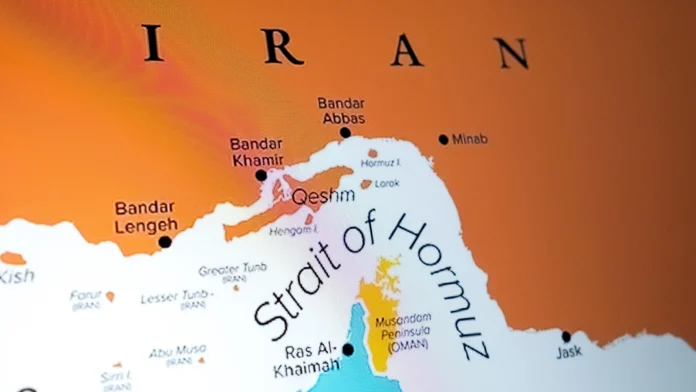
How many vessels have been attacked in Gulf waters so far?

How many ships have been attacked in the Gulf?
There has been significant disruption to global trade through the Strait of Hormuz

The Strait That Tells the World a Secret

Early in the morning, before the dhow nets were hauled in and the coffee stands in Muscat began to steam, fishermen along the rocky Omani coast said the sea felt different — a quiet with the tautness of a string about to snap. “You could see it in the faces of the crew,” said Ahmed al-Harthy, a 56-year-old captain who has plied these waters for three decades. “They watch the horizon like it might move.” What he and many others now watch is the Strait of Hormuz, a narrow artery that hums with the energy of the global economy and, these past weeks, echoes with the thud of explosions.

Why One Waterway Can Upend the World

Imagine a choke point so crucial that a ripple there becomes a storm in markets thousands of miles away. The Strait of Hormuz normally funnels roughly one-fifth of the world’s seaborne oil and liquefied natural gas — millions of barrels a day — through a stretch of water little wider than a Swiss valley. “If traffic slows here, the impact is immediate and brutal,” said Dr. Miriam Clarke, a maritime security analyst in London. “Shipping costs, insurance premiums, energy bills — they all feel it within days.”

From Routine Voyages to Reports of Attack

Since the outbreak of hostilities between the US-Israel coalition and Iran on 28 February, the waterway has been punctured by a series of violent incidents. For sailors and port workers who once took the route for granted, the timeline reads like a grim roll-call: projectiles, fires, evacuated crews, and at least two confirmed fatalities. The United Kingdom Maritime Trade Operations (UKMTO), Omani maritime authorities and port officials in the Gulf have been issuing near-daily alerts, mapping a new geography of danger.

1 March — A Deadly Strike and a String of Fires

The month opened with a shock. The MKD VYOM, a Marshall Islands-flagged crude tanker, was hit by a projectile off the Omani coast — about 50 nautical miles north of Muscat — and a crew member lost their life, managers at V Ships confirmed. “We’re devastated,” said a company spokesman. “This is not an abstract statistic; these are people who left home.”

On the same day, the Hercules Star, an oil bunkering tanker flying Gibraltar’s flag, took a hit northwest of Ras Al Khaimah and caught fire; the blaze was later extinguished. Another Palau-flagged tanker, including the US-sanctioned Skylight, reported damage in the narrowest slices of the Strait near Kumzar; its crew were evacuated. Reports came in like a staccato drumbeat — each message meaning another vessel’s engines had shuddered to silence, another dock faced delays, and another family awaited news.

2–4 March — Ports Under Fire

On 2 March, the Stena Imperative, a US-flagged products tanker, was struck twice while in Bahrain harbor. The crew evacuated as flames licked at the deck. Three days later, the container ship Safeen Prestige, flagged in Malta, suffered a hit near the top of the Strait and caught fire in its engine room; crew members abandoned ship. “I have never seen so many empty moorings in my life,” said Leila Hassan, who runs a small shipping agency in Fujairah. “Normally the port is a forest of cranes and stacked containers. That day, it was a ghost lane.”

5–7 March — Explosive Craft and Drone Warnings

By 5 March the attacks had grown more varied. The Sonangol Namibe, a crude tanker at anchor near Iraq’s Khor al Zubair, suffered a blast thought to have come from an Iranian remote-controlled explosive boat. Two Iraqi port security sources later said the damage matched that profile. A tugboat assisting the damaged Safeen Prestige was hit on 6 March, and on 7 March authorities flagged a possible drone strike north of Jubail in Saudi waters — the majority of that vessel’s crew evacuated.

11 March — Fires, Hull Damage, and Ports Closed

11 March brought a cluster of incidents: the Thailand-flagged Mayuree Naree saw a projectile hit spark a fire and forced an evacuation in the Strait. Japan’s One Majesty and the Marshall Islands-flagged Star Gwyneth both suffered varying degrees of damage off the UAE coast. Perhaps most consequential was the attack on tankers near Iraq that prompted Iraq’s oil ports to halt operations entirely. One port security official told state media that a foreign crew member’s body had been recovered from the water — a grim reminder that these disruptions carry real human cost.

17 March — Ripples East of Fujairah

Later in the month, a Kuwait-flagged liquefied petroleum tanker, Gas Al Ahmadiah, reported minor structural damage after a projectile struck while it was at anchor east of Fujairah. Maritime security sources described the incident as another signal: nowhere in this corridor is truly safe.

Voices from the Decks and the Docks

“We are trained for storms and rough seas,” said Captain Elena Moroz, who recently sailed a container vessel through the Gulf. “We are not trained for being shot at. The rules of the sea assume civility.” For many sailors — from Filipino engine-room hands to Indian deck cadets and Ukrainian officers — the job is the only livelihood their families know. “My son calls every night,” said Ramesh, a chief mechanic who asked to use his first name only. “He asks if I am coming home. I do not always have an answer.”

Beyond the Headlines: What This Means Globally

When ships are deterred from a chokepoint, the consequences are measurable. Trading houses recalibrate risk, oil traders reprice barrels, and insurers ramp up premiums on vessels transiting the Gulf. Shipping companies have already begun rerouting more vessels around the longer and costlier Cape of Good Hope, adding days — sometimes weeks — to voyages. “Every mile added is fuel burned and emissions produced,” noted Dr. Clarke. “There is an environmental dimension to these disruptions that rarely makes headlines.”

Local Color: Markets, Mosques, and Marketplaces on Edge

In Ras Al Khaimah, the scent of cardamom and grilled fish hangs over the fish market, but vendors now check maritime alerts between customers. In Muscat’s Mutrah corniche, elderly fishermen sit with thermoses of tea and a radio tuned to updates, trading grim wry jokes about how the sea had become a newswire. Ports that had once signaled arrival with the clanking of chains and the hiss of forklifts now tacked on soldiers’ patrols and the soft thump of helicopters overhead.

Questions for the Reader — and for Policy Makers

What should a global community do when a single strait becomes a pressure point for wider conflict? Do we accept longer supply chains, higher prices and more pollution as the cost of geopolitical brinkmanship — or do we invest in new routes, diplomacy and protection of the seafarers who keep our world moving? “There are no easy fixes,” said Dr. Jamal al-Khatib, a regional security expert in Beirut. “But ignoring the human dimension — the crew, dockworkers, and local port communities — makes any solution hollow.”

Where We Go From Here

The incidents catalogued in recent weeks are more than a tally of damaged hulls and lost cargo; they are a warning about fragility. Every fired projectile, every evacuated crew, widens the list of people who will carry the cost. On quiet mornings, when fishermen gaze out at a sea they can no longer take for granted, the question becomes intimate: how do we balance security, commerce and humanity in an age where a narrow channel can redirect the fate of nations?

Quick Reference: Incidents Since 28 February

  • 1 March — MKD VYOM hit off Oman (one crew killed); Hercules Star struck near Ras Al Khaimah; Palau-flagged tanker attacked near Kumzar (Skylight crew evacuated).
  • 2 March — Stena Imperative hit in Bahrain port (fire; crew evacuated).
  • 3 March — Minor damage to Libra Trader and Gold Oak off Fujairah.
  • 4 March — Safeen Prestige damaged near the Strait; engine-room fire; crew abandoned ship.
  • 5 March — Sonangol Namibe hit near Khor al Zubair (possible explosive boat).
  • 6 March — Tugboat hit near Oman while assisting Safeen Prestige.
  • 7 March — Possible drone attack north of Jubail; crew largely evacuated.
  • 11 March — Mayuree Naree hit and evacuated; One Majesty and Star Gwyneth sustained damage; attacks near Iraq forced oil ports to halt operations; a foreign crew member recovered from the water.
  • 17 March — Kuwait-flagged Gas Al Ahmadiah struck east of Fujairah; minor damage reported.

These waters will continue to tell their story. We can listen and act — for seafarers, for fragile economies, and for the quiet fishing towns whose lives are threaded to a strait that suddenly matters to us all.

Muxuu noqon karaa doorka Golaha Mustaqbalka ee khilaafka Xasan Sheekh iyo Lafta-gareen?

Mar 17(Jowhar)-Golaha Mustaqbalka Soomaaliyeed (GMS) ayaa si muuqata u taageeraya Madaxweyne Laftagareen marka uu tago Baydhabo kuna dhawaaqo in uu qabanayo Doorasho Dadban, waxa loo badiyey in uu hadda ku sugan yahay Itoobiya oo ciidankeedu nabad ilaalin u joogo Koonfurgalbeed, sida ay xuseen mas’uuliyiin ka tirsan GMS oo intaas ku daray in ay hadda si dhow isaga war-qabaan.

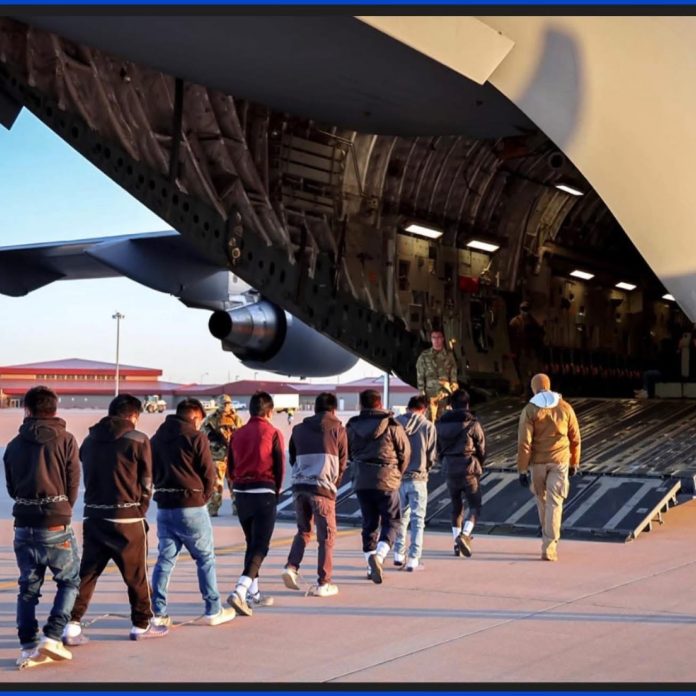
Trump oo loo fasaxay in muhaajiriinta uu u tarxiili karo dalal aysan u dhalan

Mar 17(Jowhar)-Maxkamada Racfaanka ayaa u fasaxday maamulka Trump in muhaajiriinta sharci darada ah ay u tarxiili karaan dalal aysan u dhalan.

Irish man arrested in Spain to contest extradition

Irish national detained in Spain to challenge extradition proceedings

0
On a sunny Canary morning, an arrest that ripples from Lanzarote to Dublin On an island where volcanic stone and turquoise ocean usually draw sunseekers...
Israel launches fresh strikes on Lebanon despite truce

Israel Launches New Airstrikes on Lebanon Despite Ceasefire

0
Nightfall Over Lebanon: A Ceasefire Fraying at the Edges Bombs fell again last night and dawn broke over neighborhoods that should have been quiet—streets littered...
Trump criticises NATO over Iran in meeting with Rutte

Trump criticizes NATO’s Iran approach during meeting with Dutch PM Rutte

0
At the White House Door: A Rift in the Transatlantic Bond Late on a humid Washington afternoon, Mark Rutte — the Dutch prime minister turned...
Bloody day in Lebanon puts fragile ceasefire at risk

Deadly violence in Lebanon jeopardizes fragile ceasefire and peace hopes

0
Smoke Over the City: Beirut at a Pause that Feels Like Nothing The smoke hangs low over Beirut like a bad memory that won’t leave....
Israel carries out extensive strikes across Lebanon

Israel launches widespread strikes throughout Lebanon, hitting multiple locations

0
Beirut in the Shadow of Sudden Explosions: A City That Felt the Sky Collapse There is a particular quiet that follows a sudden, huge blast...