Home Blog Page 46

Khamenei: The Iron-Fisted Revolutionary Steering Iran’s Islamic Republic

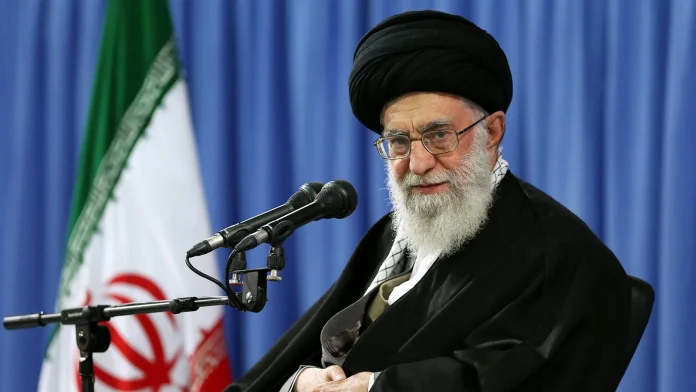
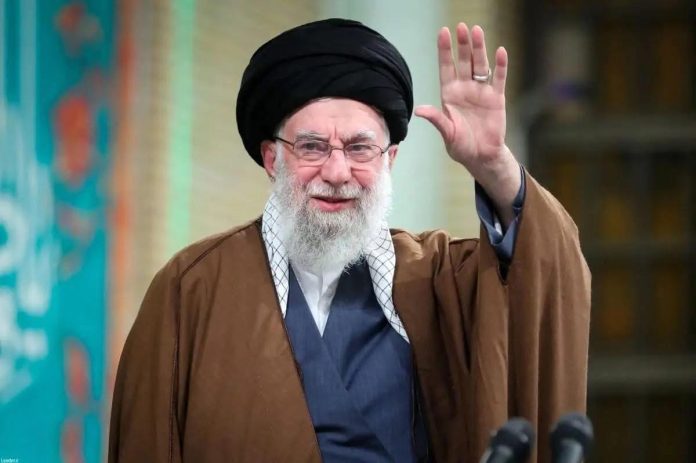
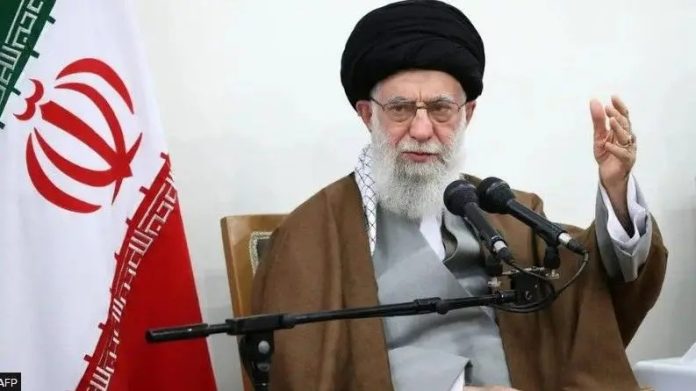
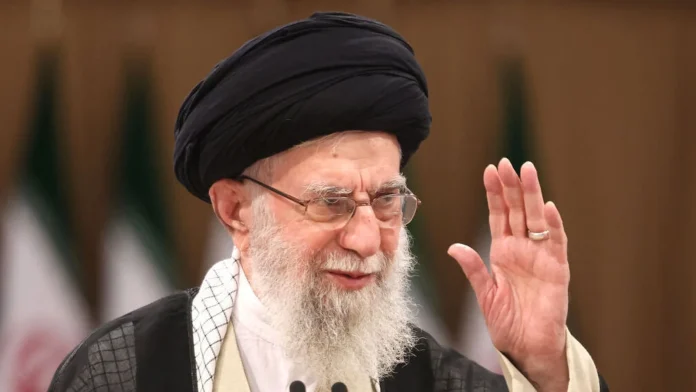
Khamenei: ruthless revolutionary of Islamic republic
Ali Khamenei saw off a succession of crises throughout his rule (file image)

A Life Built of Shadow and Ceremony: The Enigmatic Figure at Iran’s Pinnacle

I have watched Iran from afar for decades and up close for years. Few figures have shaped its modern story as thoroughly as the man who has sat at the apex of its theocratic system since 1989: a cleric whose supply of rituals, edicts and sealed-off appearances made him at once omnipresent and impenetrable.

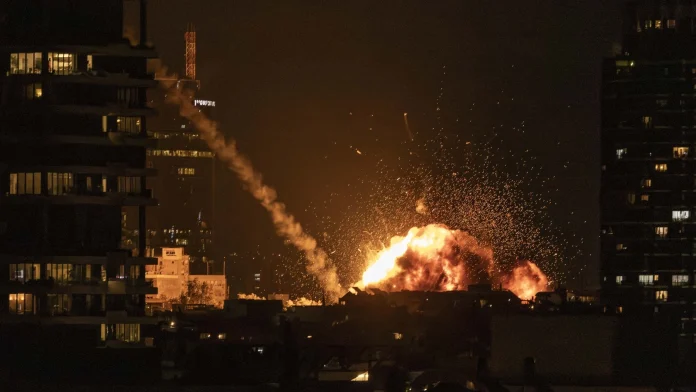
In recent days a flurry of dramatic online posts — including a message on Truth Social by Donald Trump that called him “one of the most evil people in history” and claimed his death — set off a storm of speculation. Reports also circulated that American and Israeli strikes had struck sites across Iran. At the time of writing, many of those claims remain unverified; in a world of instant messages, images and propaganda, certainty is hard-won.

From Seminary Halls to the Supreme Office

He rose from the seminaries of Mashhad and Qom, a product of the mid-20th-century clerical intelligentsia that blended religion and politics. He was long a figure in the revolution’s inner circle, repeatedly detained in the years of the Shah for anti-imperial agitation and later fighting on the frontline during the Iran-Iraq war.

When Ayatollah Ruhollah Khomeini died in 1989, the Assembly of Experts chose his successor in a decision that surprised many. The man initially resisted the nomination — an image that was frozen in the national memory, an elder cleric murmuring, “I am opposed,” as the room pressed on — and yet history took him to the center of power, where he remained for more than three decades.

As supreme leader he became the ultimate arbiter: the commander-in-chief of the armed forces, the overseer of the judiciary, the guardian of the revolution’s ideology. He was, in many ways, the state’s constant while presidents came and went — reformers and hardliners alike — working with six elected presidents who sometimes tested, sometimes chafed at his limits.

Surviving Waves of Dissent

To watch the trajectory of Iran under his watch is to watch a country in perpetual tension. The late 1990s and the early 2000s saw student movements and reformist pushes. In 2009, disputed presidential elections provoked mass protests — the Green Movement — and the state’s response hardened.

More recently, in 2019 and again in 2022–23, streets across Iran were filled with voices chanting for change. The “Woman, Life, Freedom” movement that crystallized after the death in custody of Mahsa Amini carried echoes of a deepening social struggle: many young Iranians pushing against strict dress codes and a system that tightly polices public life.

“We were not asking for revolution,” an organics seller in Tehran told me at a cramped market stall, nodding toward a group of customers wrapped against winter. “We were asking for a place to breathe. For dignity.”

Human rights organizations documented hundreds killed and thousands detained during waves of unrest; others put the figures higher. The protests did not topple the regime, but neither did they disappear into silence. They reshaped the politics of a country where a growing share of the population is under 30 and where social media — despite extensive filtering — is a powerful forum for dissent.

Security, Ceremonial Life and the Unseen

He lived like a man in a fortressed realm. Public appearances were tightly choreographed, never broadcast live and rarely announced in advance. He never set foot abroad after becoming supreme leader — a precedent harking back to Khomeini, who returned from exile with a triumphant procession in 1979. His last known foreign trip had been many years earlier, when he visited North Korea.

There were telltale signs of an older body. His right arm was often inert — a reminder of an assassination attempt in 1981 that left a permanent mark. He was a cleric who also acted as a political general: president in the 1980s after a succession of violent attacks within the revolutionary movement, then the ideological linchpin of a republic that blurred faith and statecraft.

“He has always been the axis,” said an exiled scholar of Iranian politics in Paris. “Even those who disagreed with him calibrated their language around his influence. That created stability of a sort, but it also concentrated the pressure: any fissure beneath the top becomes seismic quickly.”

The Family, the Backstage Power and the Question of Succession

Power in Iran has always been complex, a mosaic of institutions, networks and personalities. He had children, but only one — Mojtaba — ever reached public prominence, a figure that Western sanctions singled out in 2019 for his influential role behind the curtain. Family disputes spilled into public view at times: relatives who fled during the Iran-Iraq war, a sister whose children became critics abroad — reminders that private fissures often mirror political ones.

Who might succeed a supreme leader remains both a constitutional and a political question. The high clerical body, the Assembly of Experts, is technically charged with selecting and supervising the supreme leader. In practice, a successful transition requires the alignment of security organs, religious elites and political factions. Will the next era be more open? Or will the system reinvent itself around a new figure who doubles down on the old approach?

Lines on a Map, Lives in the Streets

Walk through Tehran’s grand bazaar at dawn and you hear saffron and cardamom, tea mugs clinking, merchants bargaining — the rhythms of daily life that persist under the political drama. Go to a university courtyard and you find younger Iranians speaking English, studying algorithms and migration patterns, planning futures that might take them abroad. Two Irans coexist: one rooted in revolutionary institutions and ritual; another impatient, connected and outward-looking.

“When I teach, the students ask about freedom, about whether they can shape their lives,” said a humanities professor at Tehran University. “They do not talk about ideology the way their parents did. They ask practical questions: Can I open a business? Can I travel? Can my daughter marry the person she loves?”

What This Moment Means — For Iran and the World

Whether the recent internet storm signals a definitive end to an era or simply another chapter in a long-running drama, the broader story matters. Iran is home to roughly 85–90 million people, a regional power with deep global entanglements — nuclear diplomacy, regional alliances, economic sanctions and a vast diaspora who watch events with bated breath.

So ask yourself: how do we understand change in an age when social networks can declare an event before governments confirm it? How do external powers influence internal dynamics without misreading the texture of local life? And, crucially, how do the men and women who live their days in Tehran, Shiraz, Mashhad or Isfahan imagine their future amid the reverberations of high politics?

In the end, this is not a story of one man alone. It is a story about a system and the millions who live under it — about resilience and repression, about longing and calculation. The rituals will continue, as will the bargaining of power. The markets will keep humming, poets will keep writing, and young people will keep trying to carve out space for their lives. That, perhaps, is the most vivid truth beneath any headline.
Masar oo lasii ogeysiiyay weerarka lagu qaaday Iiraan

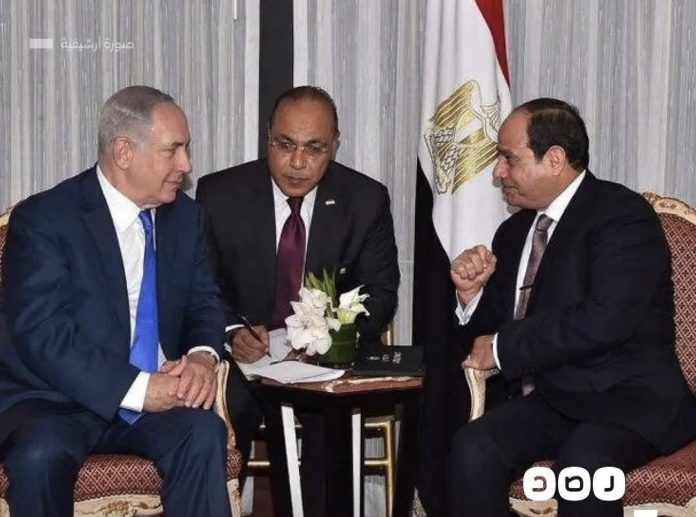
Mar 01(Jowhar)-Wargeyska Haaretz ee laga leeyahay magaalada Tel Aviv ayaa daabacay warbixin sheegaysa in Israa’iil ay si rasmi ah Masar ugu sii sheegtay qorshe weerar oo lagu beegsanayo bartilmaameedyo ku yaalla gudaha Iran, 48 saacadood ka hor inta aan howlgalkaasi la fulin.

Trump Warns Iran He Could Use Unprecedented Military Force Against Tehran

Trump threatens Iran with force never been seen before

When Words Become Weapons: A Rallying Cry That Reverberates From Washington to Tehran

In a rollicking campaign rally under stage lights and flag-waving supporters, a single line can land like a thunderclap. “Force never been seen before,” the words snapped into the microphone and then into the global news cycle—an escalation not just of tone but of anxiety across cities and bazaars, embassies and oil markets.

Whether you call it theatrical posturing or a deliberate provocation, the effect is unmistakable. Markets twitch. Diplomats pick up phones. On the streets of Tehran, in the cafes of Basra, in the living rooms of American veterans, people try to translate rhetoric into real-world risk.

Echoes of a Fraught History

This moment did not arrive out of nowhere. U.S.–Iran relations have been frayed for more than four decades—revolution, hostage-taking, proxy conflicts, and sanctions are all in the ledger. Donald Trump’s 2018 withdrawal from the JCPOA, the landmark nuclear deal of 2015, was a turning point that reintroduced biting economic sanctions and drove Tehran to incrementally expand its nuclear activities.

Then, in January 2020, the killing of Qassem Soleimani, the powerful commander of Iran’s Quds Force, marked a new low. It made the personal and the geopolitical shockingly concrete, and it made the calculus of retaliation and restraint into a daily calculus for military planners.

“You can’t decouple words from the drums of past actions,” said Dr. Laila Mansouri, an Iranian foreign-policy analyst based in London. “For many in Iran, such language recalls a time when the U.S. used force in the region with few constraints. It hardens domestic political positions and gives hawks room to maneuver.”

On the Ground: Voices From the Region

Walk through Tehran’s Grand Bazaar and you hear more than politics: the clink of teapots, the bargaining for spices, the cadence of river-long history. Yet below that daily life is a palpable wariness.

“We have lived with sanctions for years,” said Reza, a carpet seller who asked that only his first name be used. “Every time a politician shouts about bombs, I worry not just about geopolitics but my nephew, my shop. Life is fragile here.”

In the port cities along the Gulf, fishermen talk less about slogans and more about the practical: traffic of tankers, coalition patrols, and the sudden rerouting of ships when diplomatic storms brew. In Basra, Iraq, where Iran’s influence is felt through political parties and trade, a taxi driver noted, “You hear these threats and you think of the last time foreign forces rearranged the map. People here want peace, not headlines.”

What Would “Force Never Seen Before” Actually Mean?

Rhetoric can slide quickly into speculation. Militarily, a truly unprecedented use of force by the U.S. in the region would be costly, dangerous, and diplomatically isolating. The United States still maintains a significant military footprint in the Middle East—tens of thousands of personnel across countries like Kuwait, Qatar, Iraq and Syria—and relies on a network of allies. But large-scale conventional operations come with steep human and political costs.

“Threatening unmatched force risks creating a self-fulfilling cycle,” warned Admiral Mark Ellison (ret.), a security analyst in Washington. “It drives adversaries to prepare asymmetrical responses—proxy attacks, cyber operations, and disruptions to global energy flows. None of that is hypothetical.”

Indeed, Iran and its regional partners have years of experience in asymmetrical warfare: harassing shipping, deploying drones and missiles through allied militias, and using cyber tools. These tactics have already rattled global oil markets periodically; remember the tanker incidents in 2019 and the strikes on energy infrastructure in recent years.

Economics, Energy and a Fragile Global Balance

Beyond the immediate military calculus lies the economic fallout. Iran, with a population of roughly 86 million, remains a key player in a volatile energy geography. Although sanctions curtailed Tehran’s oil exports for years, the country still occupies a strategic position along the Strait of Hormuz, through which roughly a fifth of the world’s seaborne oil shipments pass.

“Markets are nervous when leadership in major powers talks about sweeping force,” said Sofia Alvarez, an energy economist in Madrid. “A risk premium shows up in oil prices, insurance costs for shipping rise, and global supply chains—still tentatively recovering from the pandemic—feel the squeeze.”

Diplomacy on a Knife’s Edge

Diplomatic channels—both official and backchannel—now shoulder an outsized burden. European capitals and partners in the Middle East typically urge de-escalation, preferring negotiation over escalation. From Tokyo to Brussels, leaders watch for signs that rhetoric might harden into action.

“Words that aim to intimidate can erode the space for diplomacy,” said Anna Khatami, a former UN diplomat who worked on Iran sanctions. “What we need is a return to pragmatic engagement—de-escalation, verifiable constraints, and clear red lines that preserve lives.”

How Do Ordinary People Cope?

When global leaders trade bluster, it’s ordinary lives that bear the consequences. In Tehran, a teacher rehearses the same lesson plans she has for years; in Erbil, a Kurdish father adds extra minutes to the family’s emergency talks. Anxiety becomes everyday choreography—what to buy, where to shelter, when to speak openly.

“We’ve learned to keep going,” said Mariam, a nurse in Shiraz. “We patch wounds on a daily basis—literal and figurative. But every time someone talks about new wars, it feels like we’re skating on thin ice.”

What Do You Think?

As readers around the world, we must ask ourselves some uncomfortable questions: When do words constitute a strategy, and when are they a cheap play for attention? How much trust should we place in leaders who promise decisive action without clear plans? And finally, how do we balance legitimate security concerns with the immense human cost of armed conflict?

Rhetoric has the power to mobilize, to terrify, to galvanize. But it also reveals something about the values behind policy: restraint or recklessness; consultation or unilateralism. The stakes are high—not just for policymakers and generals, but for the millions whose daily lives depend on fragile peace.

Closing Note

In the coming days and weeks, the world will watch how this latest flash of incendiary language evolves—whether it fizzles into campaign bravado or hardens into policy. In the meantime, people on both sides of this standoff will continue to brew tea, tend shops, teach children, and hope that common sense will outpace the rhetoric. Let’s keep asking: what kind of world do we want to make, and who will pay the price if we choose force over conversation?

State-run outlets report Iran’s Supreme Leader Ayatollah Khamenei killed

Iran's Supreme Leader Khamenei killed - state media
Iran state television also announced a 40-day mourning period and seven public holidays following the death of the Iranian leader

A Shudder Across a Continent: When War Broke Open in the Middle East

They say history comes in waves — a slow swell that becomes a wall of water. On that day, the wave broke. Morning television screens around the world lit up with a bleak headline: Iran’s Supreme Leader had been killed after what officials described as the largest coordinated strikes on Iranian soil in decades.

The news arrived like an electric jolt. In Tehran, flickers of celebration collided with long, keening sobs; in Los Angeles, members of the Iranian diaspora gathered in small, wary groups outside cafés and community centers, hugging, arguing, crying. On the trading floors of London and Singapore, traders mouthed the same word: Hormuz.

The military blows and the official response

Washington and Jerusalem said they had carried out a sweeping campaign — the Pentagon labeled it Operation Epic Fury — directed at senior Iranian leadership and scores of strategic sites across the country. Iran’s state television announced the death of the leader, ordered a 40‑day mourning period and declared seven days of public holiday to mark the loss. “With the martyrdom of the supreme leader, his path and mission neither will be lost nor will be forgotten,” a broadcaster intoned, the language of ritual and defiance rolled into one.

President Donald Trump framed the strikes as a decisive move against what he and U.S. officials described as an “imminent threat.” In a blunt Truth Social message, he said the strikes were designed “to end a decades‑long war with Iran and ensure it cannot develop a nuclear weapon.” He urged Iranians to seize the moment and “take over” governance of their country — words that landed like tinder on tinder.

Iran called the attacks unprovoked and illegal. The Revolutionary Guards warned of “the most ferocious” counter‑operation in the Islamic Republic’s history. In a terse, hard‑edged post on Telegram they vowed revenge; in Tehran’s alleyways, those words were met with equal parts fury and fear.

On the streets: mourning, celebration, panic

Walk the streets of Tehran or Karaj now and you’ll feel a city split along invisible lines. A shopkeeper in the old bazaar, wrapped in a threadbare coat, told me, “I woke up praying it wasn’t true. Then I turned on the radio and my hands were shaking. We don’t know whether to light a candle or to hide.”

Elsewhere, a cluster of young people near a university lit small fireworks in the early hours, not out of jubilation alone but as a symbolic rejection of a leadership many younger Iranians view as suffocating. “We’re tired of the missiles, the arrests, the lost futures,” said one student, voice cracking. “Does killing one man change the system? Or will it tighten the screws?”

In Isfahan, mourners draped black over public statues. In Los Angeles — where a large Iranian community has woven itself into the city’s fabric — small gatherings erupted in cheers outside a Persian market, while others stood silent, hands over their mouths, the relief and dread indistinguishable.

Damage and the wider theater

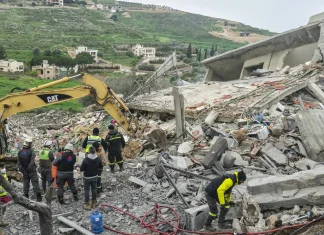
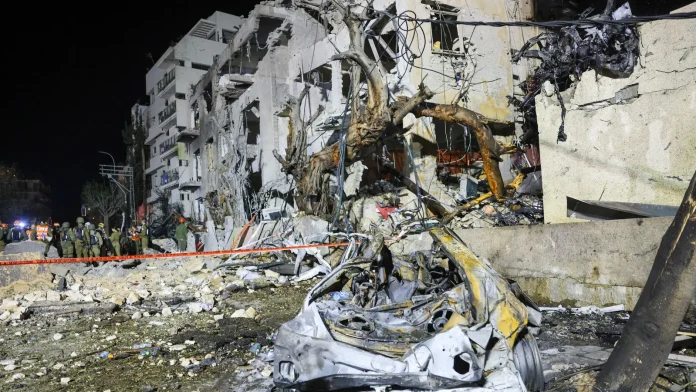
Iran’s response was immediate and broad. Hundreds of missiles and drones were launched toward Israel and several Gulf states hosting U.S. bases; many were intercepted, but some struck targets. The Pentagon reported no U.S. casualties, while Israel’s ambulance service treated at least 20 people after a missile hit a residential building in Tel Aviv. Photos circulated of a building with one side blown out, a roof collapsed like a paper cup.

Airspace in parts of the Middle East closed, airlines canceled flights, and traders braced for economic ripples. The Strait of Hormuz — the slender chokepoint through which roughly one‑fifth of global oil consumption transits — was declared closed by Tehran. Markets, already skittish, priced in the possibility of supply shocks.

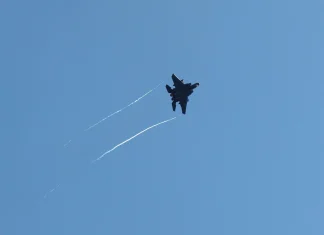
Israel’s military said roughly 200 fighter jets had flown the largest mission in its history, striking hundreds of targets. Iranian media reported the deaths of senior commanders, along with several members of the supreme leader’s family. Whether those tallies hold, and the full human cost, will take time to verify.

Across the Gulf: fear and flare-ups

  • Missiles were reported over Abu Dhabi, Dubai, Doha and other Gulf hubs.
  • Reports of damage to an airport terminal in Dubai and to a hotel district raised alarms about civilian vulnerability.
  • Bahrain and Kuwait reported attacks on facilities tied to U.S. forces; Qatar said it had intercepted incoming missiles.

The consequences are practical and profound. Airlines rerouted flights, insurers raised premiums, and shipping corridors that feed the global economy became political fault lines. In a world where energy security is intimately tied to geopolitical calm, the reverberations are immediate: a bumped grain of sand at Hormuz can rattle prices in supermarket aisles from Lagos to Lisbon.

Voices from both sides

“We are not a country that will kneel,” said an older man outside a mosque in Tehran, his eyes red from weeping. “They can take our leader and they can bomb our buildings, but they can’t bomb our memory.”

Across the Mediterranean, a security analyst based in Tel Aviv observed, “This is not about one man. This is about a network of power and proxy warfare that has stretched across three continents. Whatever the immediate military calculus, the political aftermath will be brutal and unpredictable.”

Back in the U.S., a veteran of the region added, “Precision strikes can take out a compound. They cannot erase decades of grievance, ideology and regional alliances. We are entering a phase where miscalculation could escalate fast.”

What this means for ordinary people

Think about the people who will suffer most: families displaced by strikes, hospital staff working under blackout conditions, oil workers rerouted, fishermen in the Persian Gulf watching ships stall. When leaders move across the chessboard, it is ordinary lives that become collateral maps.

How do you measure the cost of fear? How do you weigh the shape of peace against the sound of bombs? These are not rhetorical flourishes — they are questions people in Tehran, Tel Aviv, Abu Dhabi, and Los Angeles are waking to each morning.

Broader themes: power, legitimacy, and the age of surgical warfare

We are living through an era when high‑technology ordnance meets centuries‑old grievances. Drone swarms, hypersonic missiles, and coordinated cyber‑attacks can be deployed in hours; social legitimacy is harder to dismantle. Leadership vacuums rarely produce neat transitions; they produce messy contests for authority, often in the dark.

And there is another layer: the global public. Social media amplifies every clip of rubble, every shouted slogan, every prayer. Narratives harden quickly. Facts lag behind feelings. In that gap, myths birth themselves — and with them, cycles of revenge.

Where do we go from here?

For now, expect escalation, negotiations, and frantic diplomacy. The UN secretary-general has called for a ceasefire; some capitals have urged restraint; others have called for support. But diplomacy requires channels, and trust is thin. The coming days will test whether international institutions can keep a lid on what has erupted.

Ask yourself: if the stated aim is “peace through strength,” who decides when strength becomes permanent conflict? Who pays the bill? And can the world find a way to separate legitimate security concerns from vendetta?

For people on the ground, the questions are more immediate: Where will my children sleep tonight? Will my son be called? Will my shop survive? For leaders and strategists, the questions are more strategic. For the rest of us — the global audience watching from afar — the question is moral: what are we prepared to accept in the name of security?

History will record the dates and movements and the names of those who pulled levers. But it will also remember the small acts — the neighbor sharing bread with a refugee, the teacher keeping a classroom warm, the person who refuses to let fear define their days. In that human ledger, perhaps the truest account of these hours will be written.

Iran oo ku dhawaaqday 40 maalin oo baroordiiq ah kadib dilkii Ayatollah Ali Khamenei

Mar 01(Jowhar)-Dowladda Iiraan ayaa hadda ku dhawaaqday 40 maalin oo baroor diiq Qaran ah, kadib geerida Ayatollah Ali Khamenei oo la sheegay in  ay la geeriyoodeen gabadhiisa, wiil uu soddog u yahay & gabar uu awoowe u ahaa.

Hogaamiyihii Iiran Ayatollah Khamenei oo duqeyn lagu diley

March 01(Jowhar)-Hogaamiyahii ruuxiga ah ee Iran, Ayatollah Ali Khamenei oo ahaa 86 sano jir, ayaa lagu dilay weerar duqeyn ah oo ay qaadeen Israel iyo Mareykanka.

Bolivian military plane crash kills at least 15 people

At least 15 killed as military plane crashes in Bolivia
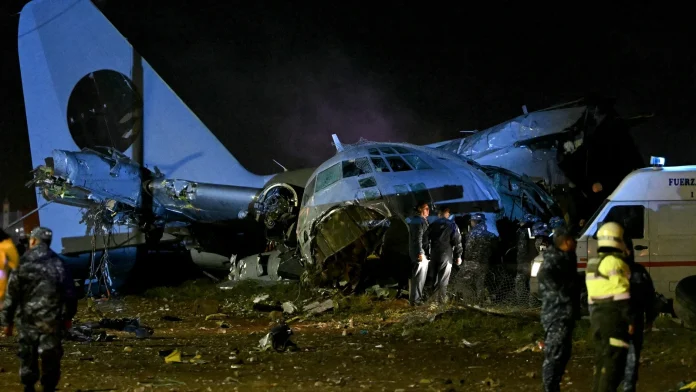
Members of the armed forces stand guard next to the wreckage of a military plane that crashed in El Alto

A Rain of Currency and Metal: The Day a Military Plane Fell into El Alto

The morning sky over La Paz split open with a hailstorm the color of gravel. Lightning laced the high plateau, and then a C-130 Hercules — a hulking, familiar silhouette in military service the world over — came down not on a runway but on a crowded avenue, scattering banknotes, twisted metal and human life across the asphalt.

It was one of those moments that feels mythic and unbearably ordinary at once: a machine born for cargo and conflict reduced to a mangled heap beside a taxi rank; bills fluttering like wounded birds; bystanders grappling with both grief and opportunity. Rescue workers counted the dead; hospitals prepared for the wounded; and the streets of El Alto, perched above La Paz at roughly 3,650 metres, filled with smoke, confusion and the sharp tang of tear gas.

What happened

According to officials, at least 15 people lost their lives and dozens more were injured when the military transport plane veered off the runway at El Alto International Airport and slammed into a busy thoroughfare. Local hospitals later reported nearly 30 injured, and emergency teams described a chaotic scene strewn with crushed cars and the torn skin of aircraft parts.

“We carted bodies from both the airport grounds and the avenue,” Colonel Pavel Tovar of the National Fire Department said at a press briefing. “There are between 15 and 16 deceased who have sadly perished in this accident.”

The aircraft had departed from Santa Cruz, in Bolivia’s lowlands, and officials say it was carrying cash. Witnesses filmed piles of notes skittering across the wet road. Within minutes, people — some desperate, some opportunistic — rushed in. Police pushed crowds back with tear gas; later, authorities gathered the banknotes and burned them in a bonfire, saying the currency had no official serial numbers and therefore no legal value.

Voices from the scene

“It sounded like the sky broke,” said Rosa Mamani, a market vendor in her 40s whose refrigerator truck was flattened beneath the plane’s wing. “One moment I was covering the vegetables, and the next my cart was on fire. People ran with notes in their hands. I saw a girl crying because her father was under a car.”

“The tire fell onto our pickup,” added 60-year-old Cristina Choque, nursing a head wound her daughter received when glass shattered. “We stayed inside because the crowd was taking everything. Who would not be frightened?”

Prosecutor Luis Carlos Torres said several arrests had been made amid reports of looting that took advantage of the disorder. “Twelve people have been detained for questioning related to pillaging and other criminal acts,” he told reporters.

Why the cargo mattered — and why it was burned

Military and airport authorities explained that the notes being transported were not standard legal tender for general circulation. The Defence Ministry later issued a statement stressing that the bills lacked official serialisation and thus had no purchasing power — making their possession or use a criminal offence. For many watching, however, the sight of currency raining into the street was a provocative, almost cinematic image.

“When people see money on the ground, the impulse is immediate — to reach,” said Ana Valdez, a sociologist at Universidad Mayor de San Andrés. “But the context here is crucial: El Alto is a city of informal economies and thin safety nets. The sight of cash can trigger a survival response.”

The weather, the machine, and the questions that remain

Witnesses described a ferocious storm at the time of the crash: hail, low visibility and lightning. High-altitude airports like El Alto — which serves La Paz and is one of Bolivia’s busiest, sitting above 3,600 metres and serving a metropolitan area of more than a million people — present pilots with thin air and tricky aerodynamics that demand special procedures.

Dr. María Gutiérrez, an aviation safety expert who has studied mountain operations across South America, cautioned against quick conclusions while acknowledging the obvious complicating factors. “Heavy hail, wind shear and poor visibility can all create a very narrow margin for safe landing,” she said. “The C-130 is rugged and built for difficult fields, but nothing is immune to the weather or to the cumulative effect of mechanical, human and environmental stressors.”

Lockheed Martin’s C-130 series has been a backbone of military airlift since the 1950s, with variants designed to carry up to around 20,000 kilograms of cargo in some configurations. The model’s durability is storied — and that makes this crash all the more striking.

El Alto in focus: a city of altitude and urgency

The crash has thrown a spotlight on El Alto’s unique social geography. Once a satellite town, it grew into a sprawling, energetic metropolis on the plateau’s edge. Street vendors in layered pollera skirts sell hot empanadas outside markets; minibus drivers push fares; families work multiple informal jobs. In the context of Latin American inequality, El Alto is a place of hard-won survival and communal solidarity.

Hospitals in the area mounted an immediate blood donation appeal to treat the injured. The airport — Bolivia’s second most important — suspended operations, an interruption with economic as well as human consequences. Local street life that is normally loud and stubbornly busy was rendered still in the wake of a calamity that felt both local and symbolic.

Numbers to hold in mind

  • At least 15 people killed, roughly 28 injured (official tallies reported by emergency services and the health ministry).
  • About a dozen arrests reported in connection with looting and disorder.
  • El Alto sits at approximately 3,650 metres above sea level; the metropolitan area is home to over a million residents.
  • The C-130 Hercules, built by Lockheed Martin, is a long-serving transport aircraft with a maximum payload in the tens of thousands of kilograms depending on variant.

What this moment asks of us

When an aircraft filled with cash becomes a bonfire, what do we make of it? Is it a story about aviation safety, a grim accident that will be dissected by investigators? Certainly. But it is also a human story that touches on economics, security, and the brittle edges of daily life.

At a makeshift memorial on the avenue, a man in a neon vest laid a single white candle beside a shattered side-mirror. “It could have been me,” he murmured. “Everyone has a story of loss today.”

Investigations are under way. The Defence Ministry has promised a thorough probe; airport authorities and prosecutors are collecting debris and testimony. In the meantime, families mourn, hospitals treat, and a city high in the Andes tends to the wreckage of an afternoon when metal and money fell out of the sky.

As you read this, consider: if you found yourself on a street where money was raining down, would you pick it up? And when emergency forces tell you not to — when they say the bills are worthless, illegal, potentially dangerous — how would a community balance impulse, need and the rule of law?

The answers will unfold in courtrooms, accident reports and the quiet conversations of grief. For now, El Alto’s streets bear the scars of a terrible collision between the mechanical and the human — and the rest of Bolivia, and the world, watches and waits for the reasons behind it.

Trump publicly claims Iran’s Supreme Leader has died

Trump says Iran's Supreme Leader 'is dead'

When a President’s Words Shake a City: The Night a Rumor Became a Global Story

It was the kind of headline that detonates across timelines and living rooms: a former president declared, in a clipped, viral post, that Iran’s supreme religious leader was “dead.” For anyone watching the news or scrolling through social feeds, the phrase landed like a lit match in a dry field—igniting anxiety, anger, confusion, and a thousand competing narratives.

Listen to the streets of Tehran—or the cafes of Brooklyn, or the corridors of power in Brussels—and you’ll hear the same thing: disbelief turning into alarm. “We are tired of fear,” said Leila, a schoolteacher in northern Tehran, leaning across a table strewn with tea cups and newspapers. “Every rumor pulls on the same wound. We want facts, not fuel for someone else’s story.”

How a Statement Became an International Incident

The words themselves were simple: reported as a blunt post and amplified at a rally, they were not, on their face, an official death notice. Yet the claim rippled outward instantly—shared, remixed, mocked, and mourned across platforms used by millions.

“We are aware of the public comments and are treating them like any other unverified report,” a senior U.S. official said in a briefing, speaking on background. “There is no confirmation from official channels.” In other capitals, diplomats took a more cautious tone. “We urge restraint and for all parties to avoid escalation,” an EU spokesperson told reporters. “Rumors do not build peace.”

And yet, in a world wired for instant reaction, restraint often arrives too late.

The Human Toll: Voices from Both Sides of the Bridge

In Tehran’s Grand Bazaar, where merchants have traded silk, spices, and gossip for centuries, the news calcified into something painfully personal. “People come here to haggle for dates and pistachios,” said Hossein, a tea seller whose hands left dark stains on his apron. “Tonight they are asking me if we should leave the city. We’re used to sanctions and threats—but this is different. It feels like someone is trying to push a button.”

Among the Iranian diaspora in London, the story prompted a different set of emotions. “Fear, certainly—but also anger,” said Nazanin, who arrived from Isfahan a decade ago. “There’s a long memory here of foreign powers manipulating our lives. We don’t want to be pawns.”

And back in Washington, ordinary Americans reacted with their own mix of outrage and fatigue. “He keeps saying things to get attention,” said Mark, a retiree in Ohio. “It doesn’t help anyone.”

Experts Weigh In

Analysts and scholars—people who spend their careers parsing rhetoric and risk—warned the claim was dangerous precisely because it could be true, false, or anything in between. “In a tightly controlled system, even an unverified statement can trigger a feedback loop,” said Dr. Sara Nimr, a Middle East specialist at an international policy institute. “Security forces, political rivals, and foreign powers will all respond to the possibility as if it were fact until told otherwise. That’s where miscalculation happens.”

Others pointed to the modern anatomy of misinformation: the speed of social media, the fragmentation of news consumption, and the deepening distrust in institutions. “We know from decades of research that rumor can become reality if acted upon,” said Professor Julian Ortega, who studies conflict and communication. “The question is: who benefits from the confusion?”

Why It Matters: More Than a News Cycle

This is not only about one man or one headline. The role of Iran’s supreme leader is central to the country’s political structure; the office combines religious authority, command of the armed forces, and influence over foreign policy. Any questions about who sits in that chair—alive or not—reverberate through Tehran’s corridors of power and beyond.

Remember the history: since the 1979 revolution, the supreme leader has been the arbiter of national direction. Under that framework, even whispers about succession can trigger jockeying among elites, legislative maneuvers, and maneuvering within the Islamic Revolutionary Guard Corps—an institution with a military wing, domestic security role, and regional footprint.

Global implications are immediate. Markets twitch at instability; oil prices can spike on a rumor that threatens supply lines. Neighboring states, from the Gulf monarchies to Turkey, watch nervously for any sign of fallout. Back in 2018, when the U.S. withdrew from the Iran nuclear deal, the reverberations were felt in ports and parliaments around the world. Now, the stakes feel similarly high—even if the facts remain murky.

Possible Near-Term Consequences

  • Heightened rhetoric and potential military posturing from regional actors.
  • Surges in social media disinformation campaigns, making it harder to find truth.
  • Local protests or lockdowns in cities across Iran, depending on how authorities and rival factions respond.
  • Short-term market volatility—particularly in energy and defense sectors.

Where Do We Turn for Truth?

In a crisis, people look for anchors. State media issues bulletins; international agencies check with diplomatic contacts; satellite imagery and independent reporters try to verify movements. But facts take time. In their absence, narratives rush in.

“Trust institutions when you can,” advised Amir, a journalist who has covered elections and unrest across the region. “But also scrutinize every source. Ask: who benefits from this story? Who stands to gain? That’s how you separate panic from reality.”

And yet, easy as it is to tell readers to be skeptical, the temptation to accept a simple narrative is universal. We prefer stories with clear villains and heroes. We like certainty. But crises, especially those involving states and secrets, thrive on ambiguity.

Questions to Carry with You

What happens when a public figure weaponizes ambiguity? How do communities caught between global powers protect themselves from becoming collateral damage in a battle of narratives? And perhaps most importantly: in an era when a single tweet can spur diplomatic tremors, what systems do we need to slow the spread of potentially dangerous misinformation?

The answers are not neat. They require better journalism, stronger verification mechanisms on platforms, and leaders who choose responsibility over spectacle. They also require citizens who demand clarity and hold power to account.

For now, the story remains unsettled—an unfolding drama of language, power, and consequence. Whether that single sentence will be a footnote in history or the spark that changes a region depends less on the truth of the claim than on how people respond to it.

So look up from your screen. Listen to the voices on the street. Ask hard questions. In moments like this, the difference between panic and prudence can save lives.

Xasan Sheekh oo la kulmay madaxda ururada siyaasada dalka

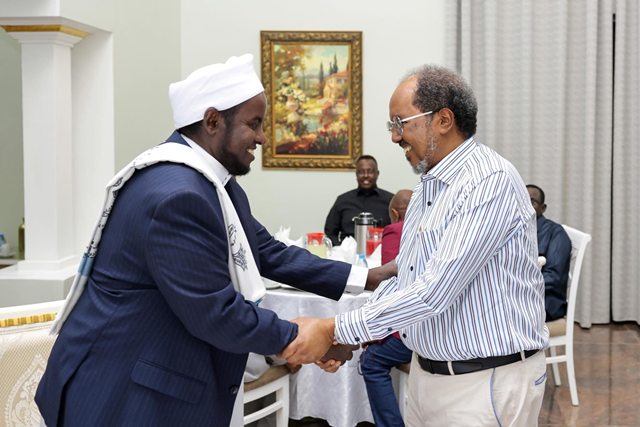
Feb 28(Jowhar)-Madaxweynaha Jamhuuriyadda Federaalka Soomaaliya, Mudane Xasan Sheekh Maxamuud ayaa kulan afur la qaatay qaar ka mid ah madaxda Ururrada siyaasadda dalka, kuwaasi oo uu kala hadlay xaaladda guud ee siyaasadda dalka iyo xoojinta hannaanka curdunka ah ee dimuqraadiyadda.

NISA oo ka hadashay howlgalo ay ka fulisay Hiiraan iyo Sh/hoose

Feb 28(Jowhar)-War ka soo baxay Ciidanka Sirdoonka iyo Nabadsugida Qaranka NISA ayaa lagu sheegay in howlgalo ay wada fuliyeen saaxibada caalamka ay ka dhaceen deegaano ka tirsan Sh/hoose iyo Hiiraan.

Second Turkish-owned ship crosses Hormuz strait

Second Turkish-owned vessel passes through the Strait of Hormuz

0
Another Turkish-owned vessel has successfully passed through the strategically significant Strait of Hormuz, marking the second such passage in recent weeks. The vessel, carrying...
Israeli occupation of south Lebanon 'very dire', says MP

MP warns Israeli occupation in southern Lebanon has become ‘very dire’

0
In Southern Lebanon, Homes Become Frontlines — Voices from a Region Holding Its Breath The sky over southern Lebanon has settled into a kind of...
US, Iran search for American pilot after warplane downed

U.S. and Iran hunt for missing American pilot after warplane shot down

0
Skyfall: When the Night Became a Hunt — Two US Jets Downed, a Pilot Missing, and a Region Holding Its Breath The Gulf night stank...
As it happened: US fighter jet shot down over Iran

Live: US fighter jet shot down over Iranian airspace

0
When the Sky Broke: A Jet Falls and an Old Rivalry Reignites The sun had not yet finished its climb when the news came in:...
Iran shoots down US fighter jet, pilot rescued - report

US fighter jet downed by Iran; pilot reportedly rescued

0
Smoke over the desert: an American warplane falls, and a region holds its breath There are moments when the desert seems to inhale, as if...