Between Two Worlds: A Doctor’s Grief in Navan, His Family’s Ruin in Gaza
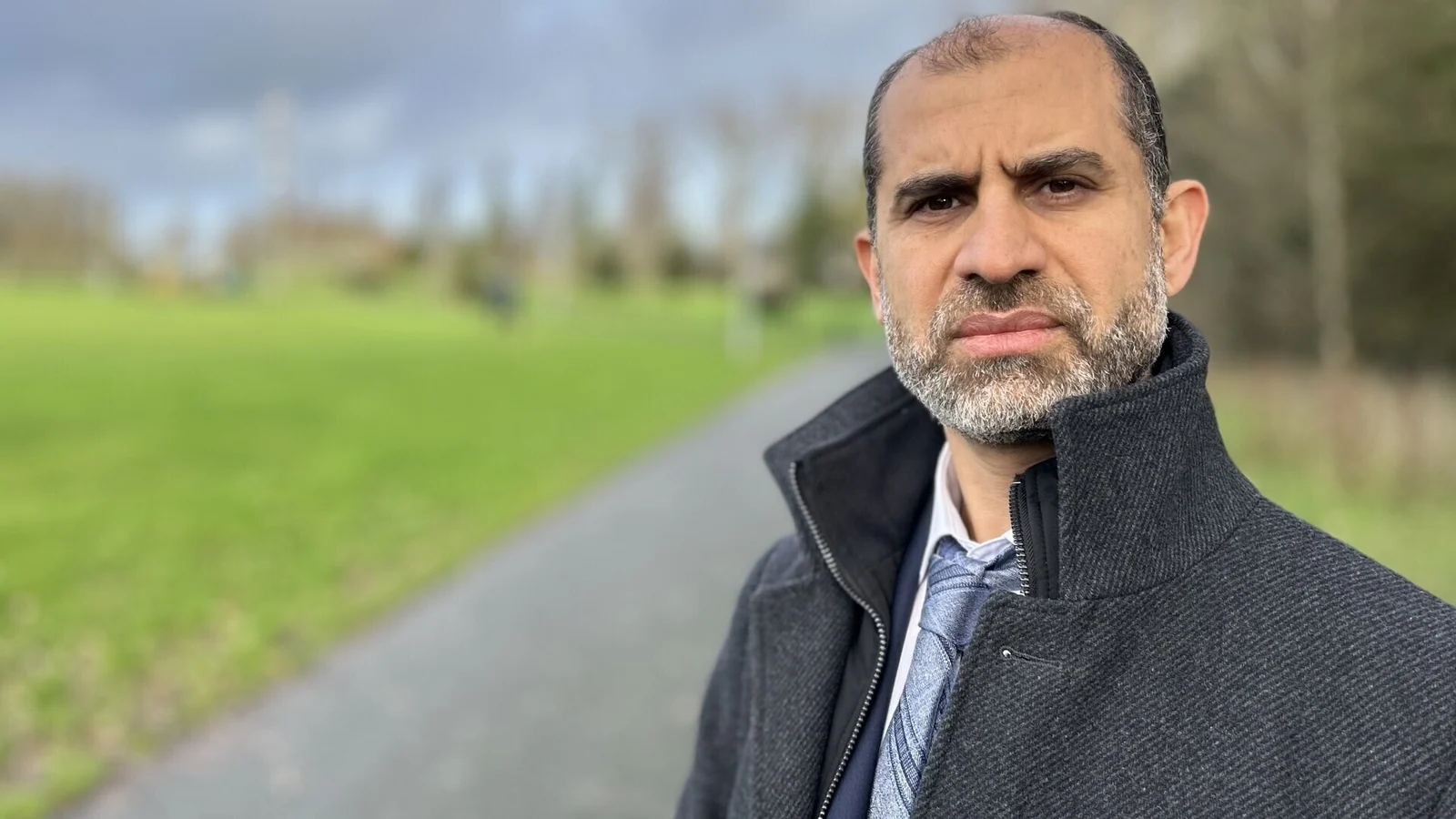
The front room in Dr Mahmoud Abumarzouq’s house in Navan smells of coffee and old photographs. On the mantel, a scattering of smiling faces — cousins, nephews, a woman with a paint-splattered apron — look out as if frozen in a kinder, quieter time. Outside, the quiet of County Meath rolls on: tractors, school runs, the steady rhythm of an Irish town. Inside, Mahmoud keeps replaying a different kind of sound — the thunder of bombings, the shuffle of rubble, the small, fragile noises of a baby waking without a mother.
“Every morning, I sit with the same cup Noor and I used to share,” he says, his voice low and steady. “When the war started, it tore everything. You cannot put that back. It is like trying to stitch glass.”
Personal Loss at the Scale of a Crisis
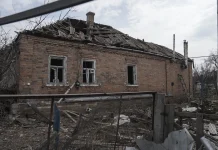
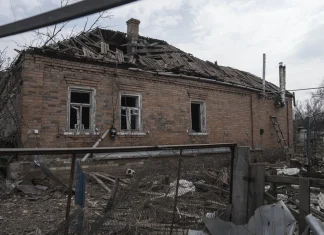
Mahmoud’s story is both painfully intimate and painfully familiar to many families from Gaza now scattered across the world. Earlier this year, four of his close relatives were killed in an Israeli strike. In the first days of the conflict his younger brother, Ahmed, 30, was killed, leaving a small boy without a father. Last March, a home in Rafah collapsed after an attack; two nephews, Mohamed, 16, and Refat, 14, and two nieces, Dina, 23, and Noor, 25, died beneath the rubble. Noor had given birth just three days earlier. Her baby, Yaqut, is now six months old.
“My sister Saham was trapped six hours under the debris. She survived, but with fractures in her back and wrist,” Mahmoud says. “She lost four children at once. No words can carry that weight.”
Mourners in Navan and elsewhere often hear casualty figures on the news and feel a familiar, numbing grief. But numbers cannot contain the texture of loss: Mohamed’s schoolbooks, Refat’s football boots, Dina’s sketchbooks, Noor’s lesson plans for her English class. “When I drink my coffee, I see Noor,” Mahmoud says. “It is small things that hit the hardest.”
Watching from Afar: A Diaspora’s Helpless Vigil
Mahmoud, an orthopedic surgeon by training, now does what he can from Ireland. He sends money when he is able, watches video messages from relatives, and fights the bureaucratic and practical barriers that make help feel almost impossible.
“Banks have been banned from transferring to Gaza,” he explains. “Even when you have the money, getting it in their hands is next to impossible.”
His parents, in their seventies and grappling with chronic illnesses like diabetes and hypertension, live in a converted warehouse near the coast. “There is no electricity,” Mahmoud says. “Medicines, basic care — these are daily worries that never switch off.”
And then there are the small mercies and stubborn threads of life. Yaqut, Noor’s daughter, shows delayed motor development, Mahmoud says, but is receiving physiotherapy and “getting better all the time.” The sight of the infant’s tiny videos — one of a tentative hand lift, one of a slow, effortful kick — are both a comfort and an ache.
Facts, Figures, and the Wider Humanitarian Landscape
On the scale of the conflict, official figures vary and are often contested. The health ministry in Gaza, administered by Hamas, has reported upwards of 70,000 deaths since the outbreak of hostilities — a number that has reverberated through global media and humanitarian channels. Independent verification is extremely difficult in the fog of war; humanitarian agencies repeatedly warn of the urgent needs that remain unaddressed.
Gaza is home to roughly two million people, many of them densely packed into urban neighborhoods and refugee camps. Years of blockade and border restrictions had already strained supplies before the latest escalation. Now, with damaged hospitals, destroyed schools, and disrupted supply lines, the task of providing food, medicine, and shelter has become monumental.
“We face a winter that could be lethal,” says an aid coordinator speaking from a European humanitarian NGO. “Fuel shortages, broken generators, and inadequate shelter mean that respiratory infections, malnutrition, and chronic disease complications will rise. The international response needs to be faster and sustained.”
On the Ground: Ceasefires and the Fragility of Peace
A brittle ceasefire has held in places, and fighting has waned in many areas, but both sides have accused the other of violating agreements. “We are praying for a full ceasefire,” Mahmoud tells me. “Ceasefire is the beginning; rebuilding is the work that follows.”
He lists what he hopes will happen next: hospitals rebuilt, universities re-opened, schools cleared of rubble. It’s a catalogue of basic civic infrastructure — the things that give a society its future: education, health, normal rhythms. “Palestinian people in Gaza are resilient,” he says. “They will stand up again and rebuild, if they are given the chance.”
Human Stories, Systemic Challenges
The plight of Mahmoud’s family opens a window onto broader issues that shape modern conflict: forced displacement, fragmented family networks, legal and financial barriers to remittances, and the long-term trauma that arrives with bereavement. It raises difficult questions about responsibility and global solidarity.
“When you see a child who won’t support her neck yet, it brings the political down to the human,” says Dr Siobhán O’Leary, a Dublin-based humanitarian physician I spoke with. “Whether you are a policymaker or a passer-by, the question becomes: what are you doing to protect that child’s future?”
- Immediate needs: food, clean water, fuel for hospitals and heating, medicines for chronic conditions.
- Medium-term: clearing rubble, rebuilding schools and hospitals, restoring supply chains.
- Long-term: psychosocial support, education for children who missed years of school, economic recovery.
What Can Readers Do?
It’s tempting to feel helpless when stories like Mahmoud’s arrive in our feeds. But there are ways to translate empathy into action. Support reputable humanitarian organizations with clear track records in Gaza; advocate for safe and sustained aid corridors; press financial institutions and governments to ease lawful channels for remittances. And above all, listen to and amplify the voices of those living through the aftermath.
“If people around the world care, if they keep pressing, we can keep the story from being forgotten,” Mahmoud tells me. “Not all of us can be there in person, but we can stand in solidarity.”
Resilience in Small Acts
Back in Navan, he keeps Noor’s cup on the sideboard. He goes to clinics, operates when he can, and talks to his nieces and nephews across continents. He imagines a future where he returns to Gaza to practice again, to stitch bones and lives together. “Rebuilding is not only bricks and mortar,” he says. “It is teaching a child to read again, helping a mother to stand, treating the wounded so they can walk home.”
As winter approaches and the world’s attention flickers between crises, Mahmoud’s plea is both simple and urgent: more aid, more access, and the chance to rebuild. “The pain is always there,” he says. “But so is the hope — thin, stubborn, and very human.”