A Quiet Mountain, A Roar of Snow — The End of a Search That Shook Tahoe
The Sierra wake slowly after a storm, as if the pines are rubbing their needles to clear their eyes. But in the valleys below Lake Tahoe, the echo of a single day — February 17 — refuses to settle. Rescuers have recovered the ninth and final person missing in the avalanche on Castle Peak, Nevada County officials confirmed, closing a grim chapter that has left a community reeling and a nation asking how a mountain could take so much so quickly.
Fifteen people were caught in the slide that thundered down the flank of the peak: four guides and 11 clients on a backcountry skiing outing. Six survived — five clients and one guide — clutching each other and the thin thread of their phones to call for help. Nine did not. For the families and friends who gathered in the days that followed, the mountain’s silence felt less like peace than a painful absence.
What Happened on Castle Peak
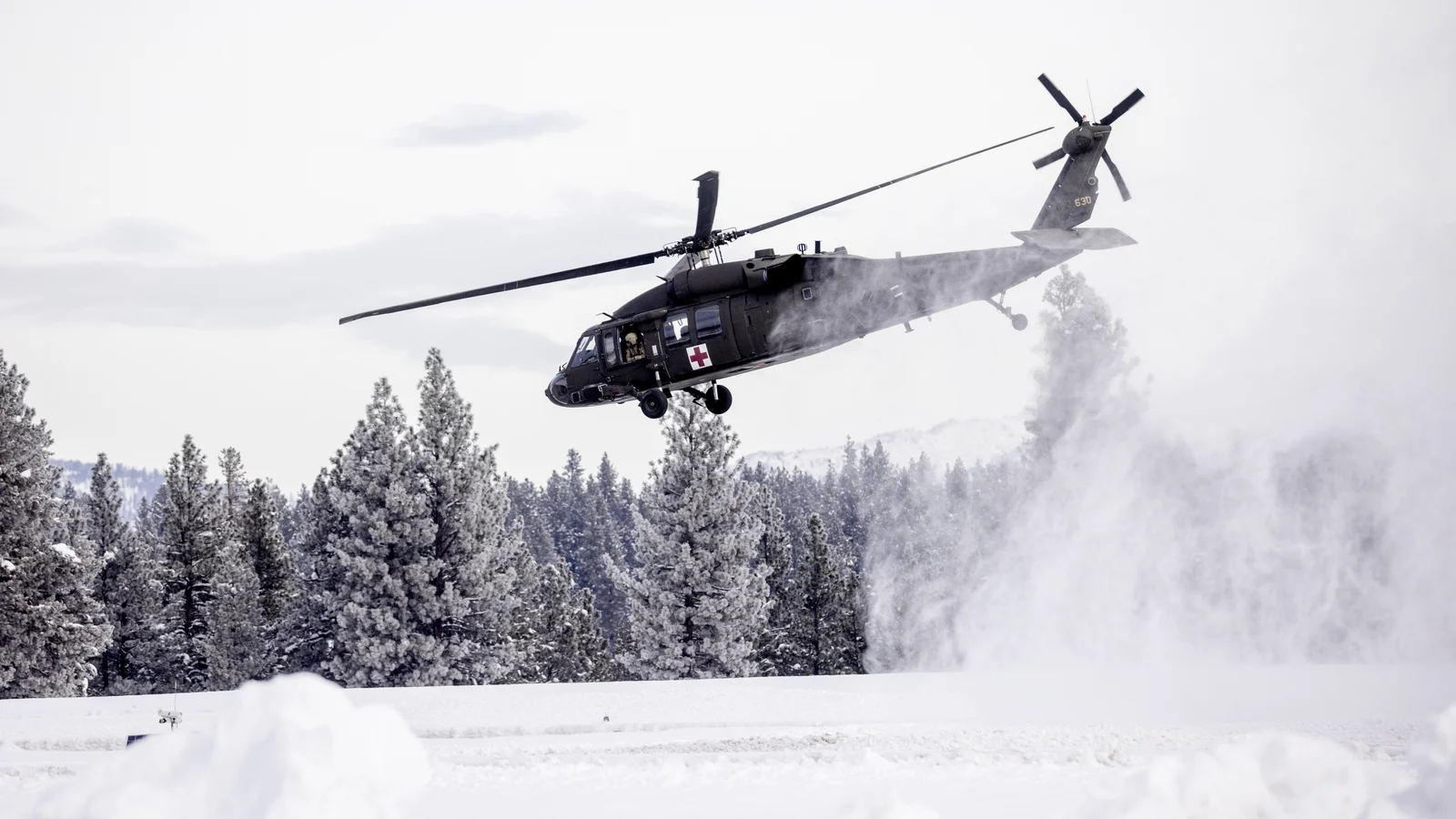
The avalanche struck during a day of volatile weather. White-out conditions, heavy snowfall, and the looming threat of additional slides made immediate rescue impossible. Crews, from volunteer search-and-rescue teams to county sheriffs and mountain guides, fought both time and the elements as they methodically combed the slope. By late Saturday, the Nevada County Sheriff’s Office announced the recovery of the final missing person and offered what words they could to a shattered public.
The sheriff’s office said the loss is “significant,” underscoring how deeply the event affected local families and rescuers. “There are no words that truly capture the significance of this loss,” Sheriff Shannan Moon said in a statement, a sentiment that read like a collective intake of breath across communities connected to the mountain.
Survivors, Families, and a Community Left With Questions
Those who survived were reportedly able to call for help, but hours passed before rescue teams could safely reach them. The survivors’ small band — shivering, injured, bewildered — were later evacuated to hospitals for treatment. Meanwhile, a statement issued by the families of six of the victims painted a picture of shared lives and shared passions: “They were mothers, wives and friends, all of whom connected through the love of the outdoors. They were passionate, skilled skiers who cherished time together in the mountains,” the statement said, adding a despairing, human punctuation: “we have many unanswered questions.”
“It’s wrenching,” said Lena Ortiz, a Truckee resident and former mountain guide who volunteered to comb through equipment and coordinate messages for relatives. “You know the mountain is beautiful and dangerous. You respect it. But when it takes friends, you question everything — the route, the forecast, the decision to go. You keep asking ‘what if’ and there’s no answer that feels right.”
Why This Avalanche Resonates
Avalanches are not rare in the Sierra Nevada, but events that hit guided groups with multiple fatalities are. This slide is already counted among the deadliest in recent U.S. history, a stark reminder that backcountry recreation — increasingly popular as lift lines and crowded resorts push enthusiasts to roam beyond boundaries — carries real risks. The rise in guided backcountry trips over the past decade has married commercial ambition with a growing thirst for solitude and powder. When something goes wrong, the consequences can be devastating.
To put the scale in perspective, Avalanche.org reports that the United States averages roughly 27 avalanche fatalities each year. Many of those happen in isolated, ungroomed terrain where forecasts can be complicated by rapidly changing weather and layered snowpacks. In recent winters, warmer storms and abrupt warm spells have produced unstable layers that can go undetected until they fail.
Voices from the Ridge and the Rescue Line
“We teach people to read the mountain, but the mountain has moods,” said Dr. Emily Hart, an avalanche researcher and professor who studies snowpack dynamics. “A single storm can create a persistent weak layer beneath fresh snow, and that’s a time bomb waiting for a skier to trigger it. Even with experienced guides, you can’t eliminate all risk.”
Members of the volunteer search-and-rescue teams talk about the grit required to keep looking in conditions that make every step feel like a negotiation with fate. “You strap on your beacon and you hope,” said Aaron Kim, a volunteer with years on the ridge. “You dig and you dig, and sometimes you find life. Sometimes you don’t. It changes you.”
Local Color: Tahoe’s Winter Heartbeat
Lake Tahoe is a place stitched together by contrasts: jewel-blue water beneath granite shoulders, luxury resorts a stone’s throw from humble trailheads, yachts in summer, skin-track lines in winter. Backcountry culture here is both a sport and an identity. Ski towns like Truckee and Tahoe City hum with lore about first descents, favorite runs, and the camaraderie of hut nights where people trade route tips over mugs of hot chocolate and bowls of stew.
On snow-laden mornings, the town’s bakeries fill with the smell of wood smoke and cardamom. Guides re-tune gear, waxing skis and swapping environmental gossip — is the west-facing slope holding, or did last night’s wind load it with slabs? Such details can be life-and-death. “We respect the mountain like a family member,” said Mateo Ruiz, who runs a local guiding service. “You don’t go into the backcountry to conquer it — you go to learn from it. That’s what makes this so sorrowful.”
Questions for the Future
As the rescue teams pack up and the funerals begin, the avalanche leaves larger questions: How should guiding services balance commercial demand with safety? Should there be stricter regulation or certification for guiding in high-risk avalanche terrain? How does climate volatility alter the calculus of backcountry travel?
These are not academic questions for the families and friends sorting through photos and lost gear. They are practical matters for those who manage public lands, for the state agencies that issue advisories, and for weekend warriors who crave wide-open mountains. “We need better community education, more accessible forecasting, and clear communication between guides and clients,” Dr. Hart added. “But even then, there will always be a kernel of unpredictability.”
What You Can Do — If You Go Beyond the Rope
- Carry and know how to use avalanche safety gear: beacon, probe, shovel.
- Check local avalanche forecasts; lands like the Sierra often post daily updates when storms roll through.
- Consider experience and group composition — is everyone able to self-rescue? Are there backups?
- If hiring a guide, ask about their rescue protocols, decision-making frameworks, and recent experience in similar conditions.
Closing Thoughts
For now, the mountain will keep its own counsel. Tracks will be erased by wind. The rhythm of seasons will go on: snow, melt, rebirth. But for the people whose worlds were narrowed to grief on that night, the loss will not thaw with the spring. They will carry names, voices, and memories downhill, where they can be held and mourned.
As you sit with this story, ask yourself: what does it mean to seek wild places? How do we balance our hunger for nature with humility before its power? The answer lies somewhere between reverence and preparation — in the hard, patient work of learning the mountain’s language before you press your ear to it.