When the Strait Grew Silent: Tension, Tankers and the Fragile Pulse of Global Trade
Along the salty airway that threads between the Arabian Peninsula and Iran, a silence fell that felt unnatural—like the hush before a storm. Normally, the Strait of Hormuz is a bustling maritime motorway, carved with the lights of roughly 100–130 vessels moving each day. Today, ship-tracking charts looked almost empty. In a 12-hour window, one ship exited the Gulf and two entered. For mariners and markets alike, it was the kind of lull that prickles the skin.
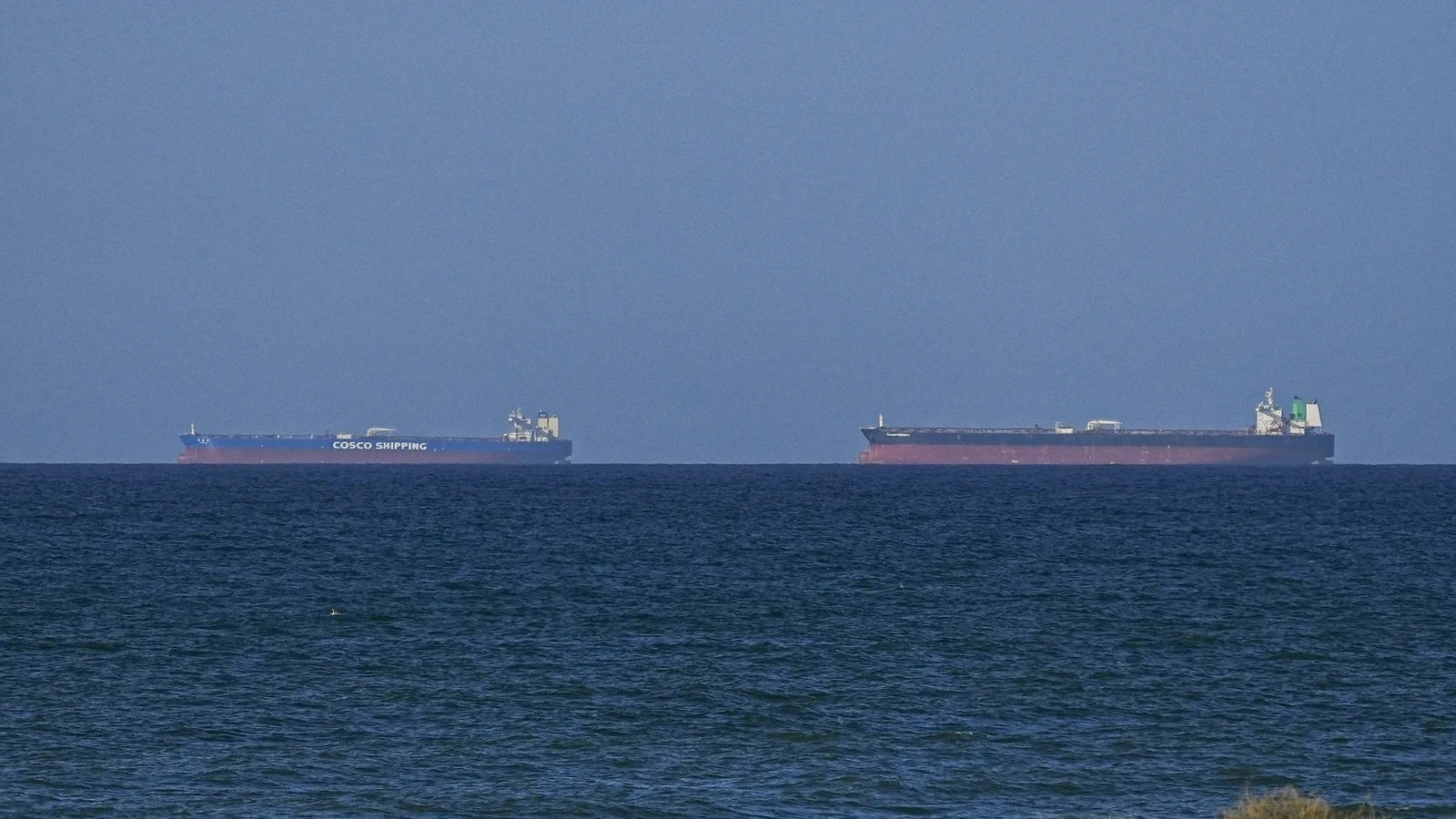
What caused the stillness was not weather. It was a political tidal wave: an exchange of maritime maneuvers that left a U.S. warship in custody of an Iranian-flagged cargo vessel, and Iran firing warning shots at merchant ships earlier in the weekend. The reverberations were immediate—oil prices jumped, insurance premiums swung, and tankers were left anchored at the edge of the Gulf, waiting on a signal.
Names on the Water
Among the few ships moving were Nero, a products tanker flagged as under British sanctions for Russia-related activities, and two inbound vessels, the chemical tanker Starway and Axon I, an LPG carrier previously sanctioned by the United States. Their names flashed on satellite overlays and tracking platforms; they were small signposts in a large, unnerving map.
“We had crews ready to sail on Friday,” said Maryam, a chartering manager who asked that her last name not be used. “Then everyone took a step back. You cannot afford to run a ship into a boxing ring when the referees are missing.”
Not Just Ships—Markets and Minds
The human choreography of global energy is tied to this strait. In peacetime, roughly one-fifth of the world’s seaborne oil and liquefied natural gas passes through this narrow throat. When transit stops, the ripples are felt far beyond the Gulf—at gas stations in Europe, manufacturers in Asia, and in the wallets of commuters in cities thousands of miles away.
The brief reopening of the strait on Friday had sparked a small parade—dozens of tankers slipped through—but calm proved fragile. Analysts watching insurance markets saw premiums plunge when calm was declared, only to rebound once more when naval forces moved and rhetoric hardened. War-risk insurance on affected voyages fell from crisis levels back toward normal, but then crept up again to roughly 3% of the vessel’s value from about 2%—a small-sounding change that can add millions to a single shipment.
“Insurance is not just an add-on cost; it’s a litmus test for perceived risk,” observed Lars Holm, a veteran underwriter based in London. “When those premiums spike, charterers start delaying or rerouting—entire supply chains adjust within hours.”
Voices from Tehran and the Waterfront
In Tehran, glowing billboards depicting the Supreme Leader watched the city roll by as commuters debated what came next. On a tram, a vendor selling samovar tea and sun-dried fruit shrugged at the news. “We hear of ships and sanctions, but we pay our bills here,” she said. “Still, when the prices go up, everyone notices.”
From the other side of the conflict, a spokesperson in the capital told a regular briefing that Iran had not decided whether to join the next round of talks in Pakistan. “We are not seeing signs of sincerity,” said the spokesman—his frustration echoing through state media reports. He cited what he described as violations of a two-week ceasefire: naval blockades, the seizure of an Iranian cargo ship, and delays in ceasefire implementation elsewhere in the region.
On a ferry in the Gulf, a deckhand named Hassan passed a thermos and spoke bluntly. “We don’t want to be targets,” he said. “We are fishermen, sailors—this water is our life.” He tapped the hull of the boat as if summoning calm.
High Stakes, Higher Rhetoric
Washington’s actions have been forceful. The U.S. administration announced the seizure of a large Iranian-flagged cargo ship that attempted to breach a naval blockade designed to choke off Tehran’s oil revenues. Officials described the operation in stark terms—warning shots, a breach in the engineroom and U.S. Marines taking custody. Tehran’s military channels replied with threats of retaliation and reports of drones moving toward U.S. vessels.
“These are classic pressure tactics,” said Dr. Aisha Rahman, a geopolitical analyst with a focus on maritime security. “Both sides are signaling capability and will. But every maneuver increases the chance of miscalculation. And in the middle of it all are commercial crews and millions of barrels of oil bound for refineries that cannot simply be switched off.”
What This Means for the World
For consumers, a 5% uptick in oil prices—roughly the move seen on the day of the escalation—translates into higher gasoline bills and costlier goods transported by road and sea. For policy-makers, it is a reminder that the global economy hangs precariously on a handful of maritime chokepoints. For the shipping industry, the moment is operational: reroute around the Cape of Good Hope and add days at sea—or risk the strait and pay a premium for the gamble.
As the crisis unfolded, one of the oldest maritime truths returned: the sea is a mirror for politics. When diplomacy fails, tankers feel it first. Where does responsibility lie? With the captains whose crewmembers’ lives are at risk, with the governments whose policies squeeze economies, or with the insurers deciding that the trip simply isn’t worth the price?
Questions to Carry With You
How resilient are global supply chains when key choke points are weaponised? What happens to economies that are only just recovering when a handful of maritime incidents can lift global prices and sow fear? And above all—how do ordinary people, whose daily routines are far removed from naval operations, cope with the consequences of distant strategic choices?
Looking Ahead
For now, shipping brokers report “false starts” and a high degree of uncertainty. One broker put it bluntly: “A durable resolution is not off the table, but it’s not on any schedule either.” The next round of talks in Pakistan remains in doubt. Meanwhile, a single 21-hour negotiating session has been the only diplomatic foothold so far.
In the ports and cafes that line the Gulf coast, people watch, wait, and make small preparations. They buy a little extra rice, fix the nets, check the bilges. It’s not heroic; it’s human. It is also a vivid reminder that geopolitics is not an abstract column in a balance sheet but a series of choices that reverberate through families, shops, and the humming engines of global trade.
So take a moment and look at a map. Trace the path of a tanker. Imagine the sailors, the underwriters, the ministers in their offices. Who will blink first—and at what cost to the rest of us?