A Cry in New York for a Country on Fire
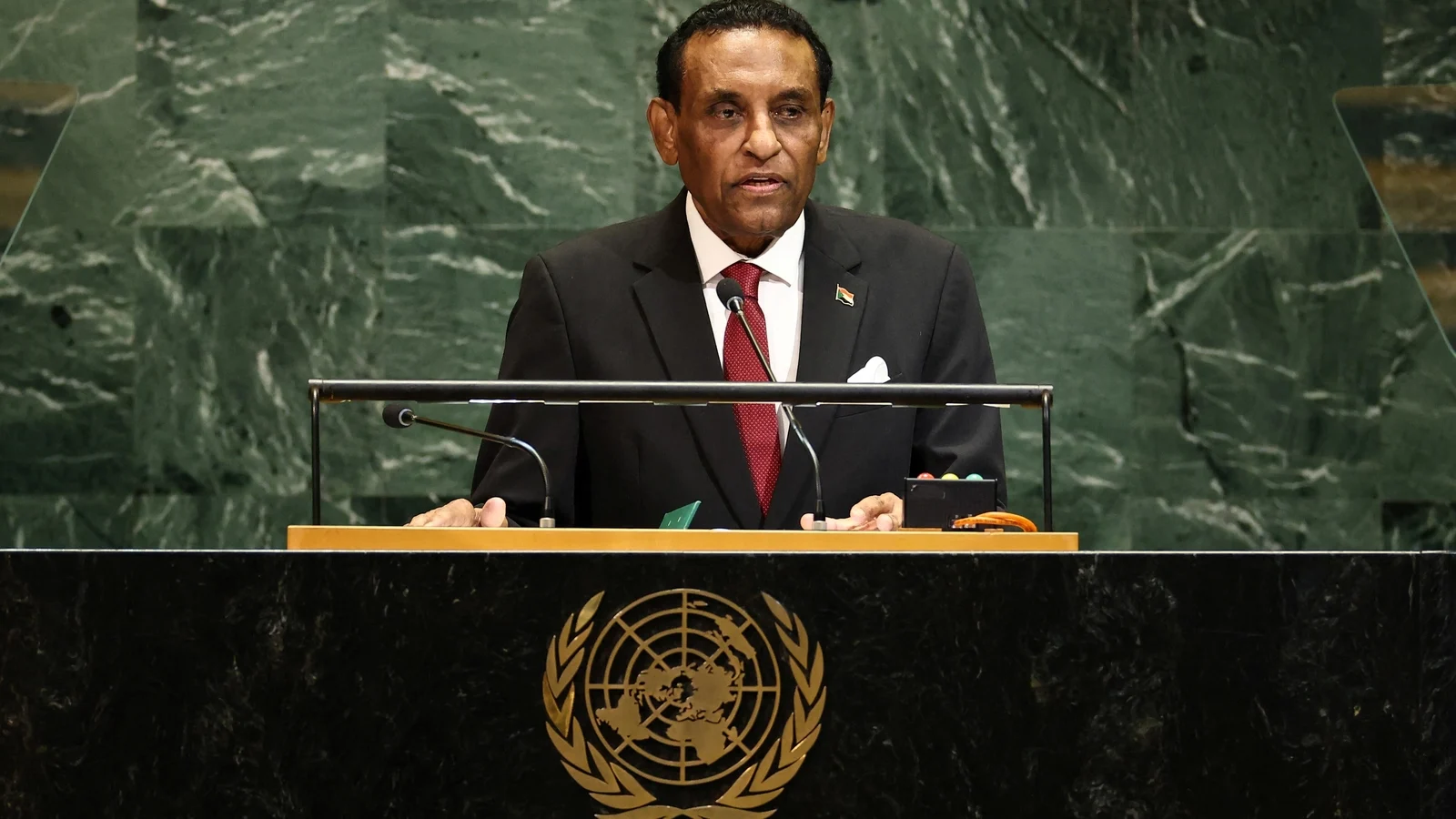
The United Nations General Assembly hall hummed with its usual gravity, but on that crisp afternoon a voice rose from Sudan and asked the world to choose a side. “Stand on the right side of history,” Prime Minister Kamil Idris urged lawmakers, diplomats and the cameras—an appeal simple in its words and enormous in its implications.
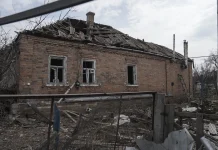
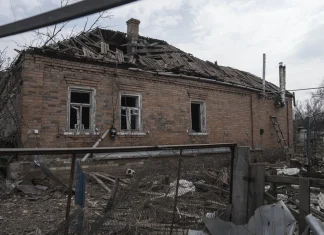
It was not just rhetoric. Behind the phrase lay a country unraveling since April 2023: a brutal contest between Sudan’s regular army and the Rapid Support Forces (RSF) that has remade lives and landscapes, turned markets to ruins and turned entire neighborhoods into memory. Humanitarian agencies place the human cost in stark terms—estimates speak of tens of thousands killed and millions uprooted, families who trace their lives now by the camps they shelter in rather than by towns they called home.
What Idris Asked For
From the podium at UN headquarters, Idris laid out a petition that was at once modest and monumental: a comprehensive ceasefire, monitored not by a single body but by a triumvirate— the United Nations, the African Union and the League of Arab States—along with the withdrawal of the militia from areas it occupies. He pledged that such a pause would not be an end in itself but the beginning of a transition, culminating in free elections and “inter-Sudanese dialogue.”
“We need a ceasefire under joint monitoring,” he said, the cadence of a man who has watched peace fray repeatedly. “This is not a plea for prestige; it is a plea for life.”
Why joint monitoring?
Idris’s proposal for shared oversight reveals how fractured the trust is inside and outside Sudan. For many Sudanese, a single international body feels too distant or too politicized; a purely regional mechanism might be accused of bias. The call for a coalition—UN, AU, and the Arab League—was meant to balance legitimacy, logistics and regional sensitivity.
On the Ground: Voices from a Country Displaced
To understand what’s at stake, travel is less important than listening. In a displacement camp outside Nyala, a woman named Amina cupped both hands against the wind and described nights when shells fell like bad weather.
“We sleep in shifts,” she said. “My daughter does not remember school. She remembers explosions.”
Across the city, a market vendor named Omar showed the places where his stall once stood—now piles of broken crates and ash. “This was where my father taught me to trade,” he said. “We used to laugh here. Now we trade for water.”
A surgeon volunteering with a humanitarian NGO spoke of hospitals turned into triage tents. “We are rationing not only medicine but hope,” she said. “If the guns stop, we can rebuild; if they don’t, people die from lack of basics.”
The Diplomatic Stalemate
Idris’s appeal at the UN came against the backdrop of halting diplomacy. Mediation attempts led by a so-called “Quad”—involving Egypt, Saudi Arabia, the United Arab Emirates and the United States—have bumped against reality. Earlier gestures of involvement, including public expressions of willingness from influential international figures, have not yet translated into a durable ceasefire.
“We have had offers to help,” Idris said in New York, “but words without action keep the blood of the innocent on our streets.”
He did not meet with UN Secretary-General António Guterres during this visit, according to UN spokespeople—a diplomatic omission that raised eyebrows among observers who had hoped for a coordinated push in the council corridors.
Why the World Hesitates
The Global South watches Sudan with a mixture of sorrow and calculation. Neighbouring countries fear spillover: refugee flows into Chad, the Central African Republic and South Sudan strain fragile systems. Global powers weigh strategic interests—ports, trade routes, military alliances—alongside humanitarian dire warnings. Meanwhile, the UN Security Council’s ability to act is hamstrung by the old problem of politics: divergent priorities, veto threats and the slow churn of international consensus.
“The Security Council is not a hospital; it cannot stitch up wounds that are being actively inflicted,” said a former UN diplomat who asked not to be named. “But it can coordinate relief and impose the credibility of international monitoring. That’s what Sudan is asking for.”
Humanity Beyond Headlines
When you read casualty figures—tens of thousands, millions displaced—do you ever pause to see the faces behind the numbers? Consider Fatima, an elderly grandmother who fled Darfur with a hand-knitted baby sweater folded in her bag. “It keeps me warm and tells me there was a child once,” she said, her voice equal parts steadiness and grief. She worries about what comes next: will the children she watches grow up in a tent know schools, steady meals, a chance to be something other than survivors?
Or think of the teacher who now tutors a clutch of children under an acacia tree. She points at a battered handbook and smiles. “We teach history,” she says. “So they don’t repeat it without understanding why it hurt.”
What Would Joint Monitoring Look Like?
Logistics matter. A joint monitoring mission would need:
- Robust access corridors to move observers and aid safely into contested zones;
- Clear rules of engagement to deter violations, backed by sanctions or consequences;
- Local partnerships with community leaders to ensure monitoring has legitimacy on the ground;
- Funding and guarantees for the protection of civic actors and journalists who document abuses.
Experts say such mechanisms are no panacea but can create a thin, necessary space for negotiations that might lead to elections and accountability.
Questions for the Reader
What does true neutrality look like when civilians are being killed in large numbers? Can external actors ever be trusted to shepherd a fragile transition without imposing their own agendas? And if the world chooses to act, is it willing to commit resources, time and diplomatic capital to see justice through?
Beyond Ceasefire: The Road to Rebuilding
A ceasefire, if it comes, will only be the first step. The bigger task will be rebuilding institutions: courts, schools, a civilian police force, secure water systems, and a political architecture that allows for genuine inter-Sudanese dialogue—not brokered peace riddled with resentment but a negotiated future forged by Sudanese themselves.
“Peace is not an event,” the surgeon in Nyala said, folding the corner of a worn map. “It is a project. It takes money, patience and truth.”
Closing Thought
As Kamil Idris returned from the UN with his plea lodged in the world’s conscience, Sudan’s future hung on a delicate hinge: whether global power and regional neighbors would step forward to monitor a ceasefire and whether Sudanese factions would take a breath long enough to talk. The question now is not just whether the Security Council will stand on the right side of history, but whether the international community and Sudan itself can turn those words into a living peace. Will we, as a global neighborhood, answer that call?