When a Helicopter Cast a Long Shadow Over the Caribbean
It was a grainy, vertiginous image that landed on screens and in living rooms with the unfussiness of a late-night alert: soldiers, harnessed and focused, dropping from a helicopter onto the slick deck of an oil tanker. Weapons raised. Men in gloves moving down a metal corridor. Then silence — that peculiar, taut silence of a ship suddenly owned by new hands.
For many around the Caribbean and the Americas, the footage felt like both a throwback to Cold War bravado and a jarring preview of what could come next. The United States has announced it will bring the seized tanker into a U.S. port, and in the White House’s words, intends to seize the oil on board. The message, blunt and unapologetic, has ricocheted through capitals and coastal towns: a new chapter of maritime enforcement — and perhaps a new chapter of open confrontation — is under way.
From Sea to Shore: A Warning Built for Headlines
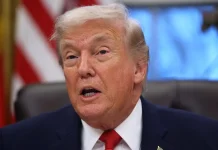
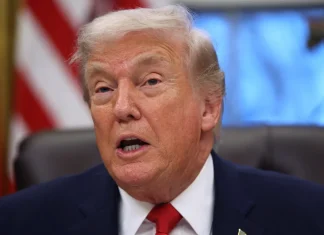
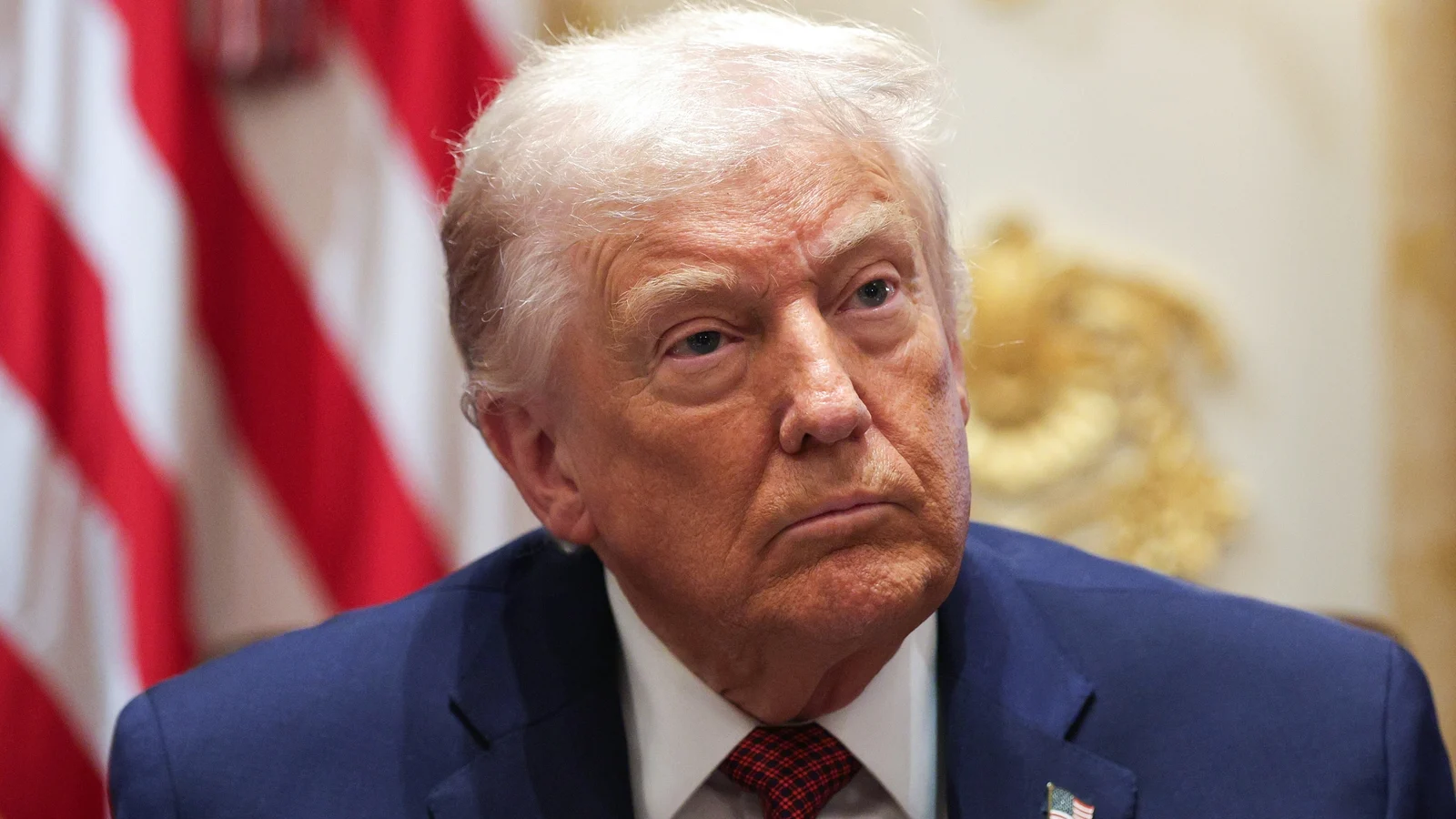
At the center of the storm is President Donald Trump’s latest, unmistakable warning: after months of strikes at sea, he says the U.S. will now “start on land pretty soon” to interdict narcotics believed to be moving overland from Venezuela toward the United States.
“They’ve treated us badly. And I guess now we’re not treating them so good,” Trump told reporters. He pointed to a striking statistic — “drug traffic by sea is down 92%” — and framed the next step as inevitable. “Anybody getting involved in that right now is not doing well. And we’ll sort that out on land, too. It’s going to be starting on land pretty soon.”
Whether those words are a deterrent or a prelude, they are now part of a wider narrative that includes a U.S. naval surge, a series of lethal strikes on boats accused of smuggling nearly 90 people dead, and an array of sanctions that have clawed into the financial and familial networks of Nicolás Maduro’s government.
The Seizure: Law, Power and a Video that Traveled Fast
The Department of Homeland Security released the operation’s footage like a badge. “The vessel will go to a US port and the United States does intend to seize the oil,” White House Press Secretary Karoline Leavitt told reporters. “We’re not going to stand by and watch sanctioned vessels sail the seas with black market oil, the proceeds of which will fuel narcoterrorism of rogue and illegitimate regimes around the world.”
To many Venezuelans, however, the image was one of theft. “They kidnapped the crew, stole the ship and have inaugurated a new era, the era of criminal naval piracy in the Caribbean,” President Maduro said, invoking a vocabulary of outrage that pairs historical grievance with present danger. “Venezuela will secure all ships to guarantee the free trade of its oil around the world,” he added, promising a national response that will test regional stability.
Voices from the Ports: People on the Front Lines
On the gray morning after the footage made the rounds, I walked the docks of La Guaira, where fishermen untangle nets and gossip with the rhythm of the sea. “When helicopters slice the sky you think of war movies, not your lunch,” said a dockworker who asked not to be named. He thumbed his calloused hands. “Everyone’s scared. We don’t want to be caught between two governments.”
At a small café near the port, María — a barista and mother of two — brewed coffee with an economy of smiles. “We sell oil and coffee here,” she said dryly. “When ships don’t come, my bills come.” Her worry was practical. “If trade stops, if ships are seized, the price of everything goes up. Not much else to say.”
From Washington, critics of the operation were just as vocal. Senator Dick Durbin, the top Democrat on the Senate Judiciary Committee, questioned the legality and the precedent. “Any president, before he engages in an act of war, has to have the authorization of the American people through Congress,” he told CNN, adding a warning that many in the Senate echoed: unilateral action abroad can have a long tail.
Between Sanctions and Sea Lanes: Geopolitics in a High-Security Strait
This is not simply a bilateral spat. The seizure occurred amid a U.S. naval build-up in the region and follows a White House designation of Maduro’s circle as the “Cartel of the Suns” — a label steeped in accusations of narco-state activity. Washington has even offered a $50 million reward for information leading to Maduro’s capture and slapped sanctions on relatives and companies involved in oil shipping.
Russia’s Vladimir Putin spoke with Maduro, offering solidarity. Yet Moscow’s hands are full in eastern Europe, and analysts say its ability to materially support the Venezuelan government is limited right now. Meanwhile, the United Nations urged restraint. “We are calling on all actors to refrain from action that could further escalate bilateral tensions and destabilise Venezuela and the region,” a spokesperson for Secretary-General António Guterres said.
What’s at Stake: Oil, Drugs, and the Rules of the Sea
Venezuela’s oil reserves remain among the largest in the world, even if production has plummeted in recent years. The seas around the Caribbean have long been crossroads for legal commerce and shadow economies. The U.S. asserts that cracking down on illicit oil shipments also chokes off revenue streams that underwrite narcotrafficking and political repression.
Opponents argue such seizures risk overreach. Where does enforcement end and seizure become theft? Who authorizes such exercises of power when the world’s legal frameworks for maritime interception are complex and contested?
Looking Ahead: Choices, Risks, and a Region on Edge
For ordinary people on both sides of the conflict, the calculus is simple: stability matters more than political theater. A fisherman, María, and a dockworker are not thinking about designations like “narcoterrorist” — they’re thinking about food, work, and whether their children will inherit a place that can sustain a life.
But this is also a story that reaches beyond the docks. It asks uncomfortable questions about great-power competition, energy security, and how democracies exercise power abroad. It raises legal and moral dilemmas about the use of force, the sanctity of maritime law, and the limits of sanctions as a tool of statecraft.
So as the tanker returns — engines humming toward a U.S. port — consider the ripple effects. Will this deter smuggling, or will it harden Maduro’s posture and drive Venezuela closer to other geopolitical patrons? Will Congress be drawn into a debate over the legal foundations of cross-border seizures? And, most urgently, what will happen to the men and women in ports and shantytowns whose livelihoods are tied to the ships that now travel under a cloud?
We stand at a hinge moment: a high-stakes show of force in the maritime twilight, where the currents of narcotics, oil, and geopolitics meet. The images were dramatic, but the consequences will be lived in small kitchens and dockside cafes, in the negotiations of capitals, and in the slow arithmetic of trade and law.
What do you think should come next? Is the seizure a justified step in disrupting dangerous networks, or a dangerous escalation that risks drawing more countries into conflict? Your answer depends on where you sit — and where you hear the helicopters overhead.